
Companion Plants
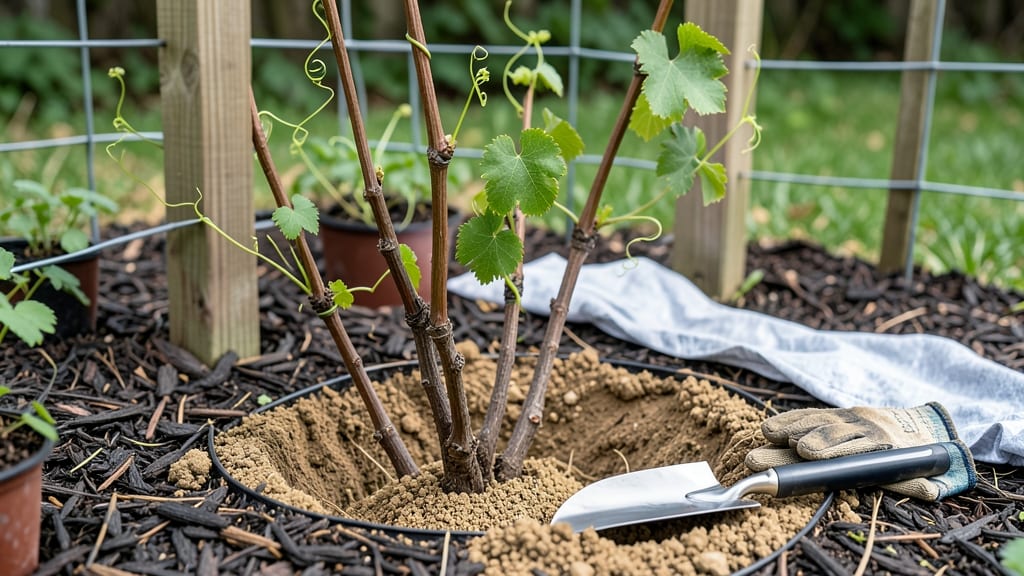
Planting grape vines 🍇 in Georgia at the wrong time can mean struggling vines or even total failure—so getting the timing right is the key to a bountiful harvest.
With Georgia's mild winters and hot summers, you’ve got two prime windows to plant: late winter/early spring or fall, when soil temps and frost risks align perfectly for root growth.
If you’re in Zone 7b-8b, aim for February-March or September-October—these months give your vines the best shot at establishing strong roots before extreme heat or frost hits. Bare-root vines thrive in spring, while container-grown ones do well in fall, but either way, soil prep and timing are everything.
Why does this matter? Because grape vines need 90-180 days to mature, and planting too early or late can delay fruiting or stress the plant. I’ll break down exactly how to match your variety—whether it’s muscadines, wine grapes, or table grapes—to Georgia’s frost dates for foolproof success.
Ready to avoid common mistakes and set your grape vines up for a thriving harvest? Let’s dive into the best planting strategies tailored to your region.
Optimal planting windows for Georgia grape vines by variety
Georgia’s Zone 8A climate offers two perfect windows for planting grape vines: late winter/early spring and fall. Each variety—whether muscadines, scuppernongs, or wine grapes—has unique timing needs tied to frost risk and root establishment.
Let’s break down the best times to plant for each type, ensuring your vines thrive in Georgia’s heat and humidity.
Muscadines and scuppernongs, native to the Southeast, are hardier than wine grapes and can handle Georgia’s late frosts better. However, wine grapes—like Cabernet Sauvignon or Chardonnay—need extra care to avoid cold damage during dormancy.
Planting at the right time maximizes root growth before summer’s intense heat or winter’s occasional frost.
Soil temperature is critical: aim for 50–60°F when planting bare-root vines. In Georgia, this typically aligns with February–March for spring and September–October for fall. Container-grown vines can tolerate slightly cooler soils, giving you a 2-week flexibility window on either side of these months.
🍇
| Variety | Best Planting Window | Soil Temp Requirement | Frost Risk Notes | Root Establishment Time |
|---|---|---|---|---|
| Muscadines | Late Feb–March or Sept–Oct | 50–60°F | Low frost risk; hardy to 10°F | 4–6 weeks |
| Scuppernongs | Early Feb–March or Aug–Sept | 50–55°F | Moderate frost risk; protect young vines | 6–8 weeks |
| Wine Grapes (e.g., Cabernet) | Late March–April or Oct | 55–65°F | High frost risk; avoid late fall | 8–10 weeks |
For muscadines, the February–March window is ideal because their roots establish quickly in Georgia’s warming soils.
Planting in September–October gives them time to root before winter, though they’re tough enough to handle light frosts down to 10°F. These native grapes thrive with minimal intervention, making them perfect for beginner growers.
Scuppernongs, often called "the golden grape," prefer early spring planting to avoid late-season frosts that can damage tender canes. If planting in fall, choose August–September to allow roots to settle before cooler temps arrive.
Their slower root growth means they need extra mulch to retain moisture during Georgia’s dry spells.
Wine grapes, like Cabernet Sauvignon or Merlot, are the most frost-sensitive and should never be planted in late fall. Opt for late March–April when soil temps consistently stay above 55°F.
Fall planting is riskier, but if you must, October is the last safe month before winter dormancy sets in.
Georgia’s coastal regions (e.g., Savannah) have earlier last-frost dates (mid-March), while inland areas (e.g., Athens) may see frost until mid-April. Use local frost maps or the USDA Plant Hardiness Zone tool to adjust your planting timeline.
For example, Tifton in southwest Georgia can plant 2 weeks earlier than Blue Ridge in the north.
Pro tip: If you’re planting bare-root vines, soak the roots in water for 1–2 hours before planting to
How to time grape vine planting around Georgia’s frost dates
Georgia’s frost dates are the most critical factor in determining when to plant grape vines. In Zone 8A, the last frost typically occurs around mid-March, while the first frost hits in mid-November.
Planting too early risks frost damage to young vines, while planting too late delays root establishment before summer heat arrives.
For bare-root vines, aim to plant 4-6 weeks before your last frost date. This gives roots time to establish before new growth begins. In Georgia, that means late February to early March for most regions.
Container-grown vines can handle slightly later planting, up to mid-April, but monitor soil temperatures closely.
Use a soil thermometer to confirm ideal planting conditions. Grape vines thrive when soil temperatures reach 50-60°F. In Georgia’s Piedmont region, this usually happens by mid-February, while coastal areas may wait until early March due to milder winters.
Adjust your planting timeline based on microclimates. South-facing slopes warm up faster than north-facing areas, allowing earlier planting. If your yard has frost pockets, consider using row covers or planting near a sunny wall to create a warmer microclimate for young vines.
For fall planting, aim for September to early October—at least 6-8 weeks before first frost. This gives vines time to establish roots before winter dormancy. In Georgia, fall-planted vines often produce better yields because they focus energy on root growth rather than foliage.
Always verify frost dates using local agricultural extensions like the University of Georgia Cooperative Extension. Their frost maps account for regional variations that can shift planting windows by 2-3 weeks. Pro tip: Plant container-grown vines in fall—they establish roots faster than bare-root varieties in cooler soil.