
Plants
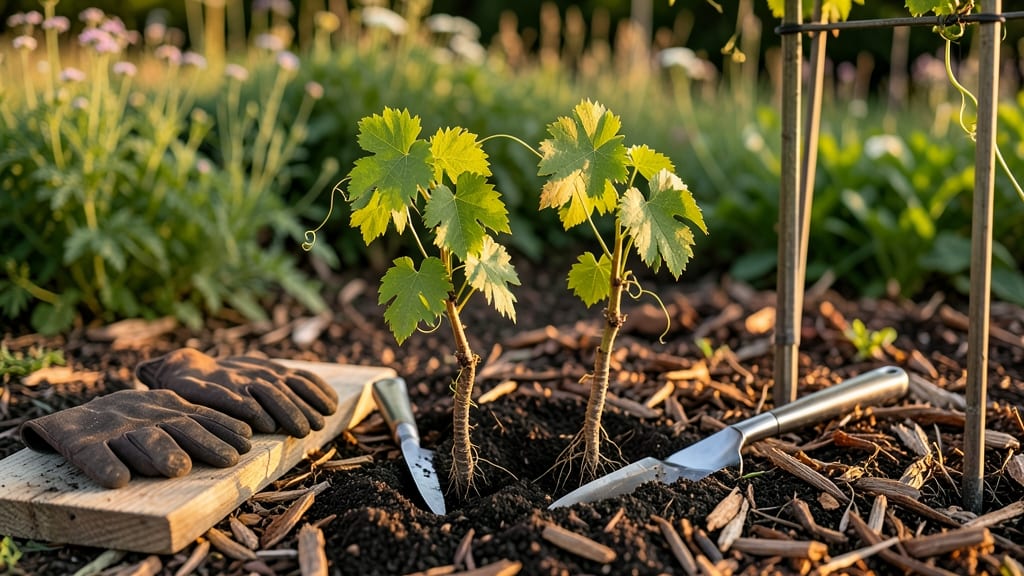
Planting grape vines 🍇 at the wrong time in Zone 7 can mean the difference between thriving vines and struggling starts—especially when frost sneaks in unexpectedly. The best window isn't just about months, but about soil temperatures and regional microclimates that make all the difference for root establishment.
In Zone 7, I’ve found that early spring (March-April) and late fall (October-November) offer the best balance—planting too early risks frost damage, while waiting too long delays the critical root growth your grape vine needs before winter. Whether you're planting in-ground or containers, timing matters just as much as preparation.
What sets successful Zone 7 gardeners apart? It’s not just about the calendar—it’s about understanding when the ground warms enough for roots to take hold, and how local frost patterns might shift your ideal window by a few weeks.
Let’s break down the exact steps to get your grape vines off to a strong start.
From soil prep to frost-proofing, I’ll walk you through everything you need to know to plant your grape vines at the perfect moment—so you’re harvesting juicy grapes in late summer instead of watching them struggle through another season.
Optimal planting months for grape vines in Zone 7 climate
Grape vines thrive in Zone 7’s temperate climate, but timing is critical. Plant too early, and late frosts can damage tender roots. Plant too late, and roots won’t establish before winter. Aim for early spring (March-April) or late fall (October-November) for the best success.
In Zone 7, the last frost date typically falls around mid-April. Planting 4-6 weeks before this date gives roots time to establish before summer heat arrives. For fall planting, choose 6-8 weeks before the first frost (usually mid-November), allowing roots to harden off before winter.
The soil temperature must be at least 60°F (15°C) for spring planting. Use a soil thermometer to confirm—cool soil delays root growth. Fall planting requires soil temps above 50°F (10°C) to prevent shock when roots wake from dormancy.
Zone 7’s microclimates vary. In the Piedmont region, milder winters may extend the fall planting window to early December. Meanwhile, the Appalachian foothills experience earlier frosts, so stick to October. Always check your local frost dates for precision.
Container-grown grape vines can be planted slightly later than bare-root varieties, as their roots are less sensitive to cold. However, they still need 4-6 weeks of warm soil before summer’s peak. For containers, use well-draining soil and a large pot (15+ gallons) to prevent root-bound stress.
If you miss the ideal window, spring planting is safer than fall. Fall-planted vines need extra care—mulch heavily and water deeply before the ground freezes to protect roots. Avoid planting in late spring (May-June), as summer heat can stress young vines.
For container planting, extend the window slightly by using black plastic mulch to warm soil faster. Containers also allow you to move vines to a sheltered spot if frost threatens. Just ensure the pot has drainage holes to prevent root rot.
Regardless of timing, trellis installation must happen before planting. Grape vines need support immediately—their canes grow aggressively and can break under their own weight. Use a strong trellis or arbor with horizontal wires for proper vine training.
After planting, mulch with straw or wood chips to retain moisture and regulate soil temperature. In spring, this helps roots warm up faster; in fall, it insulates them against early frosts. Avoid synthetic mulches—they can suffocate roots and trap too much moisture.
Monitor your vines closely in their first year. Slow growth may indicate poor soil temps or inadequate sunlight. If planted in fall, protect young vines with burlap wraps during unexpected cold snaps. With the right timing, your grape vines will reward you with abundant harvests for decades.
Optimal planting months for grape vines in Zone 7 climate
Zone 7 gardeners have two prime windows to plant grape vines: early spring and late fall. The key is avoiding frost damage while giving roots time to establish before winter dormancy.
In most of Zone 7, the last frost typically arrives around mid-April, while the first frost hits mid-November, leaving a 180-day growing season.
For spring planting, aim for March to early April—this gives vines 6-8 weeks to root before summer heat arrives. If you plant in February, young vines may struggle with late frosts.
Fall planting should occur 6-8 weeks before first frost, ideally in October, allowing roots to settle before winter.
| Planting Window | Best Months | Soil Temp | Frost Risk |
|---|---|---|---|
| Spring Planting | March-April | 50-60°F | Low (post-last frost) |
| Fall Planting | October | 60-70°F | Moderate (pre-first frost) |
| Avoid Planting | May-November | N/A | High (frost or heat stress) |
Microclimates in Zone 7 vary significantly. Appalachian regions often experience later last frosts (May) and earlier first frosts (October), while Piedmont areas may have more predictable spring transitions. Check your local USDA frost maps for precision—some years can shift frost dates by 2-3 weeks.
Container-grown grape vines offer flexibility but require slightly earlier planting. Since pots warm faster in spring, you can plant 2-3 weeks earlier than in-ground vines. However, containers also dry out faster, so monitor soil moisture closely during establishment.
If you miss the ideal windows, don’t despair—you can still plant in May or September, but expect slower root growth and reduced first-year yields. The priority is always root establishment before winter’s chill sets in.
Pro tip: Plant dormant bare-root vines in spring or early fall for best success. If using potted vines, transplant as soon as soil temperatures reach 50°F—warmer soils encourage faster root regrowth.