
Plants
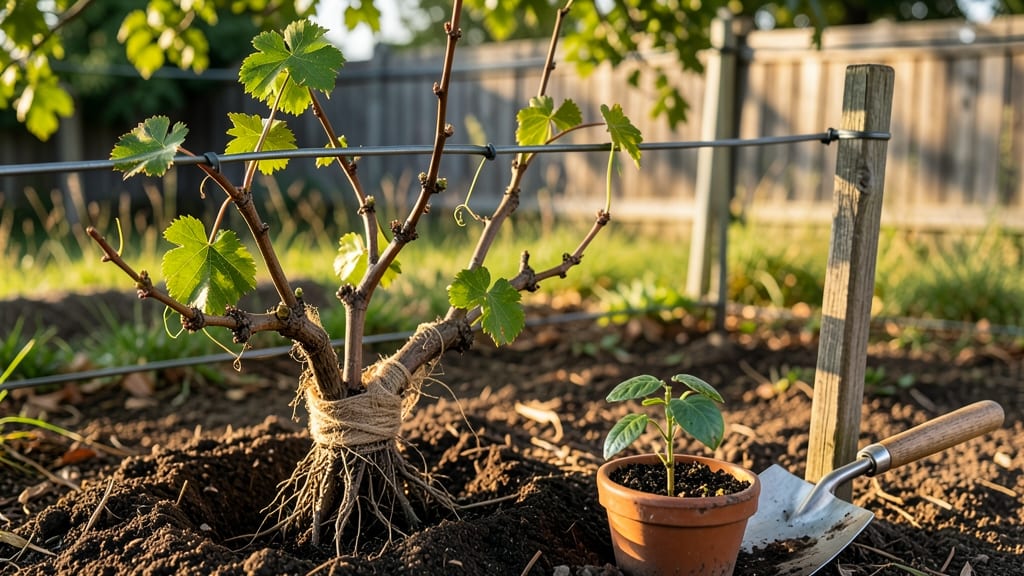
Planting grape vines in Illinois at the wrong time can turn your backyard into a frost-killed disappointment—especially when those April showers turn into late-season freezes. The key to success? Timing your 🍇 vines for USDA Zones 5-6, where frost dates swing wildly between years.
Most gardeners in Illinois swear by spring planting after the last frost (around April 15), but fall planting in September-October works too—if you get it right. The difference between thriving vines and struggling plants often comes down to soil temperature, microclimates, and knowing when to act.
I’ll break down the exact planting windows for Illinois, including how to adjust for late springs or early frosts. Whether you’re planting in-ground or containers, you’ll learn the critical mistakes to avoid and how to prep your site for maximum survival.
Ready to grow grapes that survive Illinois winters? Let’s get your 🍇 vines off to the best possible start—no guesswork required.
Best planting months for grape vines in Illinois zones 5-6
Illinois’ USDA Zones 5-6 offer a narrow window for planting grape vines, where timing directly impacts survival and fruit production. The ideal months are April-May (spring) and September-October (fall), aligning with soil temperatures and frost risks.
Spring planting lets vines establish roots before summer heat, while fall planting allows root growth before winter dormancy.
Grapes thrive when planted after the last frost date (April 15), ensuring soil temperatures stay above 50°F (10°C). In Illinois, this means waiting until late April to early May for northern regions like Chicago, while southern areas like Springfield can plant slightly earlier.
Fall planting should occur 6-8 weeks before the first frost (October 15) to avoid winter stress.
For container-grown vines, the window expands slightly—planting in June or August is possible if you provide consistent moisture and shade during extreme heat. However, bare-root vines (the most common type) require cooler soil, making spring or fall the best choices.
Cold-hardy varieties like Concord or Niagara tolerate Illinois’ winters better than tender types, but all need proper timing. Planting too early risks frost damage, while late planting delays root establishment, leaving vines vulnerable to winter desiccation.
Here’s a quick reference for Illinois’ planting calendar, including soil temperature thresholds and frost risks:
Spring planting in Illinois typically yields faster establishment because vines have the entire growing season to develop roots. I’ve seen Concord vines planted in late April reach 5 feet by July with proper care, while fall-planted vines may take until the following spring to show similar growth.
Choose bare-root vines for spring planting—they’re cheaper and establish faster than potted varieties. For fall, opt for dormant bare-root stock to avoid transplant shock. Always inspect roots for dryness before planting; soak bare-root vines in water for 12-24 hours to revive them.
Northern Illinois (e.g., Chicago area) has a shorter growing season, so prioritize early spring planting. Southern Illinois (e.g., St. Louis) can extend fall planting into early November if soil temps remain above 50°F (10°C). Use a soil thermometer to monitor conditions—this is non-negotiable for success.
Pro tip: Mark your last frost date on a calendar and count backward 6-8 weeks for fall planting. Illinois’ 165 frost-free days provide ample time for grape vines to mature, but early varieties like Valiant or Frontenac are ideal for shorter seasons.
Finally, always mulch heavily after planting to insulate roots from temperature swings. Use straw or wood chips (4-6 inches deep) to retain moisture and regulate soil temps—this is especially critical in Illinois’ hot summers and cold winters.
How to adjust planting time for Illinois’ microclimates
Illinois’ climate varies dramatically between its northern and southern regions, making microclimate awareness critical for grape vine success. Northern Illinois (USDA Zone 5) faces earlier frosts and shorter growing seasons, while southern Illinois (Zone 6) enjoys longer frost-free periods.
These differences can shift your planting window by 2-4 weeks, so let’s break it down by region.
In northern Illinois, aim to plant grape vines between late April and early May after the last frost date (typically April 15). If planting in fall, choose late September to mid-October to allow roots to establish before winter.
Southern Illinois gardeners have more flexibility, with mid-April to early June for spring and mid-September to late October for fall.
Soil temperature is your best indicator for planting readiness. Use a soil thermometer to confirm temperatures exceed 50°F (10°C) at a 4-inch depth. In northern Illinois, this may not occur until late May, while southern regions often hit this mark by mid-April.
Cold soil can stunt root growth, leading to poor establishment and winter vulnerability.
🌡️ Illinois Microclimate Planting Guide
| Region | USDA Zone | Spring Planting Window | Fall Planting Window | Soil Temp Threshold |
|---|---|---|---|---|
| Northern IL | 5 | Late April - Early May | Late Sept - Mid-Oct | 50°F (10°C) |
| Southern IL | 6 | Mid-April - Early June | Mid-Sept - Late Oct | 50°F (10°C) |
📌 Pro Tip: Check your local Cooperative Extension Service for hyper-local frost data—some areas may vary by 10+ days!
Urban gardeners in cities like Chicago or Springfield may face additional challenges like heat islands or limited space. If planting in containers, use black plastic pots to absorb heat and extend your planting window by 1-2 weeks.
For in-ground planting, choose south-facing slopes to capture extra warmth and protect vines from late-season frosts.
Always monitor local weather forecasts in the weeks leading up to planting. A 5-day forecast predicting 40°F (4°C) nights after planting? Delay by 1-2 weeks to avoid root shock. Illinois’ unpredictable weather means flexibility is key—don’t let a false spring trick you into planting too early!
For cold-hardy varieties like Concord or Niagara, you have slightly more leeway, but even these benefit from proper timing. If you’re unsure, fall planting (September-October) is often safer—vines establish roots before winter and wake up stronger in spring.
Just ensure they’re planted 6-8 weeks before frost to avoid winter damage.