
Plants
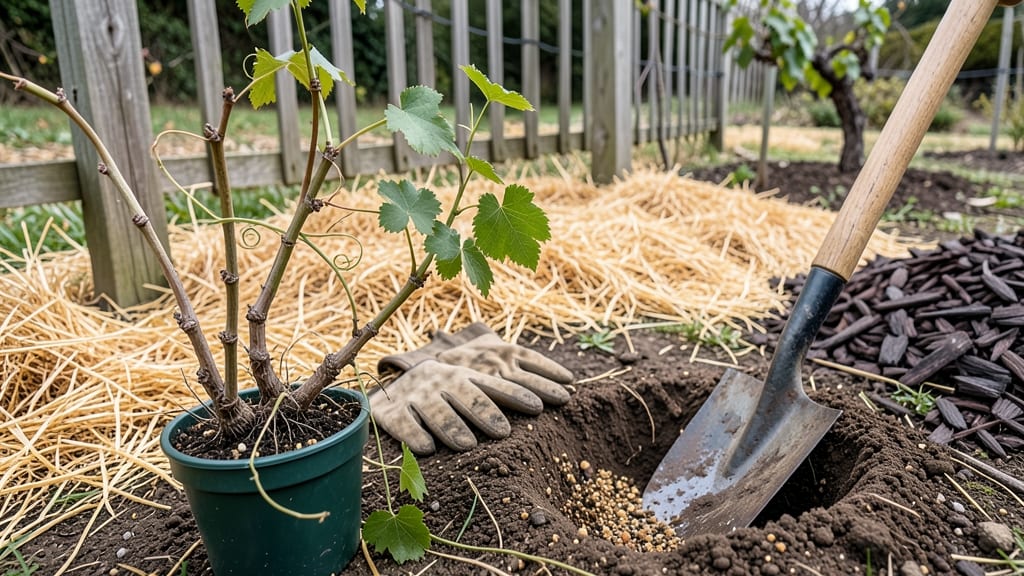
Planting grape vines at the wrong time in California can mean the difference between a lush, fruit-bearing 🍇 vine and a sad, frost-nipped failure. The key to success lies in understanding your microclimate—whether you're in coastal fog zones or inland deserts—because timing matters more than you might think.
If you're in cooler coastal areas like San Francisco, aim for late winter to early spring when soil temperatures are just right for root growth. Meanwhile, inland regions with milder winters can plant as late as fall, giving vines time to establish before summer heat arrives.
The goal? Get those roots deep before the first real frost hits.
I’ve seen gardeners rush planting because they’re excited, only to watch their vines struggle through unexpected cold snaps. The secret isn’t just picking a month—it’s choosing the right month for your specific zone.
Let’s break down exactly when to plant for zero-frost survival, whether you’re working with bare-root vines or potted starts.
You’ll also discover how to prep your soil, avoid common pests, and even pick the best grape varieties for your area. By the end, you’ll know exactly when to dig in for a thriving vine that rewards you with harvests from late summer to fall. Ready to get started?
California’s best planting months by microclimate zone
Planting grape vines in California requires careful timing due to the state’s diverse microclimates. Coastal areas like San Francisco enjoy mild winters, while inland regions like the Central Valley face harsh frosts.
Desert zones near Palm Springs rarely see frost, making them ideal for fall planting. Let’s break down the best months for each zone to ensure your vines thrive.
For coastal California, including San Diego and Santa Barbara, the ideal planting window is February through April. These areas experience mild winters but benefit from early spring planting to avoid summer drought stress. Soil temperatures should reach 60°F (15°C) before planting for optimal root growth.
In the Central Valley, where frost risk is higher, plant grape vines in late February to early March. This timing allows roots to establish before the hot summer months. Avoid planting too early, as late frosts can still occur in January or February.
| Microclimate Zone | Best Planting Months | Soil Temp Requirement | Frost Risk |
|---|---|---|---|
| Coastal (San Diego, Santa Barbara) | February - April | 60°F (15°C) | Low (occasional light frost) |
| Central Valley (Sacramento, Fresno) | Late February - Early March | 65°F (18°C) | Moderate (late winter frosts) |
| Desert (Palm Springs, Coachella) | September - October | 70°F (21°C) | None (frost-free) |
| Northern California (Redding, Chico) | March - April | 60°F (15°C) | High (late spring frosts) |
In desert regions, such as Palm Springs and Coachella Valley, fall planting in September or October is ideal. The cooler temperatures help vines establish roots before the next summer heatwave. Desert areas rarely experience frost, making fall a safer bet than spring.
For Northern California, including Redding and Chico, plant grape vines in March or April to avoid late spring frosts. These areas have longer winter chills, so planting too early can expose young vines to cold damage. Aim for soil temperatures above 60°F (15°C) to ensure successful root growth.
If you’re planting in containers, timing is slightly more flexible. You can plant in early spring (March) or late summer (August), but ensure containers are in a location with full sun exposure. Containers dry out faster, so adjust your watering schedule accordingly.
Always check your local USDA hardiness zone (California ranges from 9a to 10b) and monitor frost dates in your area. Websites like the National Weather Service or local agricultural extensions provide frost-free date forecasts, which are critical for planning.
Pro tip: Plant dormant bare-root vines for the best results. These are easier to handle and establish faster than potted vines. Soak the roots in water for 1-2 hours before planting to revive them and encourage root growth.
By aligning your planting schedule with your local microclimate, you’ll give your grape vines the best chance to thrive and produce a bountiful harvest. Pay attention to soil temperature, frost risk, and regional growing seasons to make the most of California’s diverse gardening opportunities.
California’s best planting months by microclimate zone
California’s microclimates create dramatic differences in grape vine planting success. Coastal areas like San Francisco and Santa Barbara experience milder winters with late frosts, while inland regions like the Central Valley and desert areas can plant later with minimal frost risk.
The key is planting when soil temperatures reach 55°F (13°C)—this ensures roots establish before summer heat arrives.
For coastal regions, aim for late February to early March when frost risk drops significantly. Inland areas with USDA Zone 9b-10a can plant as late as April, while desert zones like the Coachella Valley may even plant in fall (October-November) for winter dormancy.
Each zone’s timing aligns with local frost-free periods and soil warming trends.
| Zone | Best Planting Window | Soil Temp Requirement | Frost Risk |
|---|---|---|---|
| Coastal (San Francisco, Santa Barbara) | Late February - Early March | 55-60°F (13-16°C) | Low (after Feb 15) |
| Central Valley (Sacramento, Fresno) | March - Early April | 50-55°F (10-13°C) | Moderate (Jan-Mar) |
| Desert (Coachella, Palm Springs) | October - November (Fall) OR March | 60-65°F (16-18°C) | Very Low |
| Mountain Foothills (Napa, Sonoma) | Late March - Early April | 50-55°F (10-13°C) | High (Dec-Feb) |
If you’re planting bare-root vines, prioritize dormant season planting (late winter/early spring) to give roots time to establish before bud break. For potted vines, you have more flexibility—plant anytime soil is workable, but avoid extreme heat or frost periods.
My personal rule? Never plant when daytime temps exceed 85°F (29°C), as young vines struggle to establish.
Soil preparation matters just as much as timing. Amend your planting site with compost and well-draining soil to prevent root rot. For coastal areas, I recommend adding sand to improve drainage, while inland gardeners should focus on organic matter to retain moisture.
Test your soil’s pH—grapes thrive in 6.0-7.0 range, adjusting with lime or sulfur as needed.
Pro tip: Use a soil thermometer to confirm temperatures before planting. I’ve seen gardeners rush planting in March only to find soil still too cold. Patience pays off—wait for consistent 55°F+ soil temps for 7-10 days before digging in.
Your vines will thank you with stronger root systems and bigger harvests.
Remember, container planting extends your window slightly. Pots warm up faster in spring, so you can plant 2-4 weeks earlier than in-ground vines. Just ensure containers have drainage holes and use well-draining potting mix to prevent soggy roots.
With the right timing and prep, your grape vines will thrive year after year.