
Plants
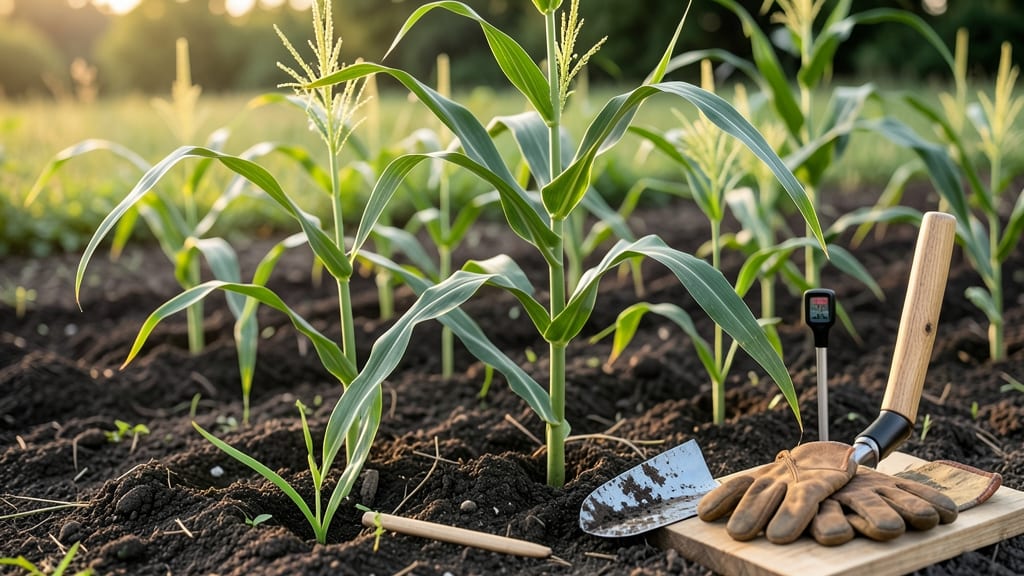
Planting corn in Upstate New York at the wrong time means watching your 🌽 crop freeze before it even gets a chance to grow. The key to success? Timing that accounts for your local microclimate—whether you're in the Finger Lakes, the Adirondacks, or near Lake Erie.
Upstate NY's USDA zones 5b-6a bring unpredictable frost dates, but with the right strategy, you can guarantee a thriving harvest. Most gardeners here plant between mid-April and early May, but that window shifts depending on whether you're in a frost-prone valley or a warmer microclimate near water.
I'll show you exactly when to plant based on your specific location, plus how to adjust for late frosts or early heat waves. Whether you're growing sweet corn for summer meals or dent corn for fall storage, getting the timing right is the game-changer for a bountiful harvest.
Ready to avoid the common mistakes that leave Upstate gardeners with half-frozen corn stalks? Let's dive into the frost-free planting schedule that works for your corner of New York.
Upstate NY corn planting dates by microclimate zone (frost-free guarantee)
Upstate New York’s diverse microclimates mean your corn planting dates should vary by region—whether you're in the Lake Effect zone or the Adirondacks. The key is planting after your area’s average last frost date, which ranges from mid-April in Western NY to early May in the Adirondacks.
Soil temperature must also reach 60°F for optimal germination.
Corn thrives on 150 frost-free days, so timing is critical. Miss the window, and you risk stunted ears or early frost damage. Use local USDA Zone 5b-6a guidelines as your baseline, but always check weekly frost forecasts closer to planting time.
For example, Buffalo’s Lake Effect often warms faster than Albany’s Capital District.
🌱
Upstate NY Corn Planting Timeline by Zone
| Zone | Last Frost Avg. | Planting Window | Soil Temp. Trigger | Harvest Window |
|---|---|---|---|---|
| Western NY (Lake Effect) | Mid-April | Late April–Early May | 60°F+ | Late Aug–Early Oct |
| Finger Lakes | Early May | Early–Mid May | 60°F+ | Mid-Aug–Late Sept |
| Capital District (Albany) | Early May | Mid–Late May | 60°F+ | Late Aug–Early Oct |
| Adirondacks | Mid-May | Late May–Early June | 60°F+ | Sept–Early Oct |
*Adjust 1–2 weeks earlier for early varieties or later for late-season types.
For Western NY’s Lake Effect region, aim for late April to early May—the lake’s warming influence creates a longer growing season. In contrast, the Adirondacks often have a 2-week delay due to higher elevations and cooler nights.
If you’re unsure, opt for short-season varieties like ‘Early Sunglow’ (60 days) to maximize your harvest window.
Always test your soil’s temperature with a thermometer—corn seeds won’t sprout below 50°F, and germination slows dramatically below 60°F. Use black plastic mulch or row covers to warm the soil faster in cooler zones like the Adirondacks.
This trick can shave 10–14 days off your planting timeline.
Pro tip: Plant successive batches every 2 weeks to stagger harvests. This ensures you’re not overwhelmed with ripe ears all at once and extends your fresh corn season by 4–6 weeks. Just be mindful of crowding—corn needs 12–18 inches of space per plant to avoid competition.
If you’re in a valley or low-lying area, frost risk drops slightly, but late May frosts can still sneak in. Monitor National Weather Service alerts and have frost cloth ready.
For higher elevations, consider starting seeds indoors 2–3 weeks before your target outdoor date to give them a head start.
🌾
One common mistake is planting too early in USDA Zone 5b areas, hoping for a longer season. But cold soil and late frosts can kill seedlings or stunt growth.
Instead, use early-maturing hybrids (under 80 days) for cooler microclimates. For example, ‘Silver Queen’ (85 days) works in Western NY but may struggle in the Adirondacks.
For maximum yield, align your planting with peak sunlight hours. Upstate NY sees 14+ hours of daylight in June, perfect for corn’s rapid growth phase.
If you plant in late May, your corn will benefit from this extended light, even if frost arrives earlier in September. Just be prepared to harvest before the first hard frost—corn ears won’t survive freezing.
💧
How to adjust corn planting for Upstate NY’s unpredictable weather patterns
Upstate NY’s unpredictable frost dates and cool soil can sabotage even the most eager corn planter. The key to success? Flexibility—adjusting your planting strategy based on local microclimates and weather patterns.
If you’ve ever watched your seedlings wilt overnight, you’ll appreciate these pro tips to extend your growing season and protect your crop.
First, soil temperature is your best friend. Corn seeds won’t germinate until the soil reaches 60°F. Use a soil thermometer to check—if it’s cooler than that, delay planting or use black plastic mulch to warm the soil faster.
In cooler zones like the Adirondacks, this could mean waiting until late May instead of April.
🌱
Use row covers or cold frames to shield young plants from late frosts. Remove covers once plants are 6 inches tall to avoid overheating.
Plant early-maturing varieties (e.g., ‘Early Sunglow’) in cooler zones (60–70 days to harvest). For warmer microclimates, try late varieties (e.g., ‘Silver Queen’) for bigger ears.
Spread black plastic mulch 2 weeks before planting to raise soil temps by 5–10°F. Alternatively, plant near south-facing fences or stone walls for extra warmth.
Stagger plantings every 2 weeks in June for a continuous harvest. This works best in warmer microclimates like the Finger Lakes.
Set a frost alert on your phone. If a late frost is predicted, cover plants with lightweight blankets or burlap sacks to protect tender leaves.
Don’t forget to monitor humidity levels—corn is susceptible to fungal diseases like gray leaf spot in damp conditions. If your area gets consistent rain, space plants 12 inches apart for better airflow and consider drip irrigation to keep foliage dry.
For high-elevation areas (e.g., Adirondacks), consider starting seeds indoors 2–3 weeks before the last frost. Use biodegradable pots to transplant seedlings directly into the garden, minimizing root shock. Just be sure to harden them off for 5–7 days before moving outside.
🌿