
Companion Plants
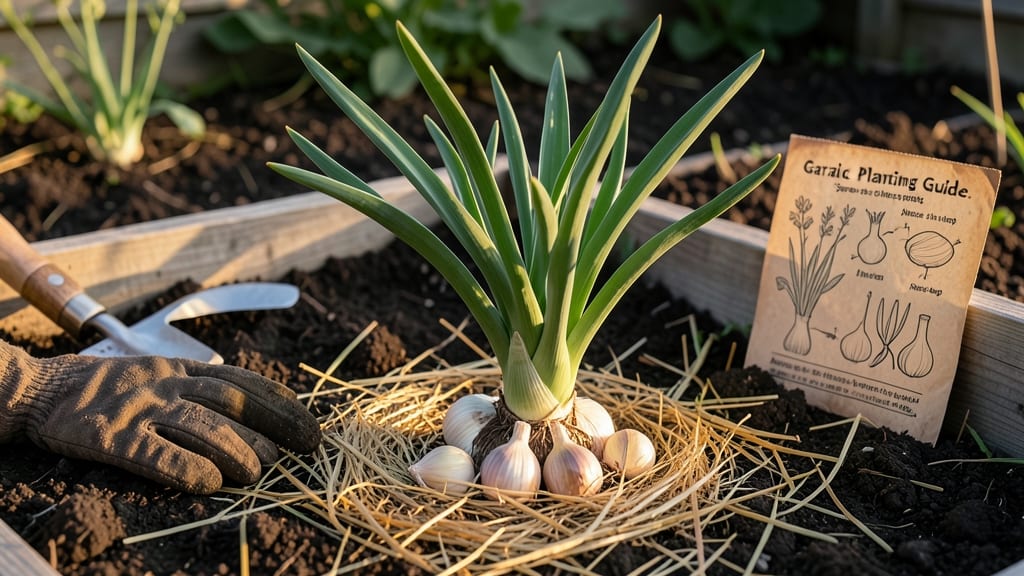
Planting garlic in Western Pennsylvania at the wrong time means tiny bulbs—or worse, no harvest at all. The key to growing bold, flavorful 🧄 cloves lies in timing it perfectly between October and November, when the ground cools but frost hasn’t yet locked the soil.
Most gardeners in Zone 6a rush to plant as soon as leaves fall, but that’s a recipe for failure. The ideal window is 4–6 weeks before the first frost, giving cloves time to root before winter dormancy sets in.
In Western PA, that’s typically mid-October through November 15—but your exact timing depends on whether you’re in Pittsburgh’s urban heat island or the frosty Allegheny foothills.
Why does this matter? Garlic planted too late won’t establish roots, leaving bulbs vulnerable to frost heave and rot. But get it right, and you’ll harvest plump, pungent 🧄 heads in late June—worth the patience.
Let’s break down the exact steps to nail your planting window, no matter where you garden in the Keystone State.
From adjusting for microclimates to soil prep tricks that keep cloves thriving through winter, I’ll share the game-changer techniques local growers swear by. Ready to turn your fall planting into next summer’s garlic feast?
Western PA garlic planting calendar: month-by-month microclimate breakdown
Western Pennsylvania’s diverse microclimates—from Pittsburgh’s urban warmth to the Allegheny Mountains’ early frosts—demand precise garlic planting timing. Hardneck varieties thrive in colder zones, while softnecks suit milder areas. The key? Planting 4–6 weeks before the ground freezes, but adjust for your specific region’s frost dates.
For Pittsburgh (Zones 6a/6b), urban heat islands delay first frost until mid-October, giving gardeners extra time. In contrast, Erie’s lake-effect snow pushes planting earlier, while the Allegheny Foothills (Zone 5b) require planting by early October to avoid winter kill. Let’s break down the exact windows for each region.
In Pittsburgh, aim for mid-October to November 15—the urban heat island effect often delays first frost until late October. Hardneck varieties like ‘German White’ or ‘Music’ perform best here, but softnecks can also work if planted earlier.
Always mulch heavily (6+ inches of straw) to protect cloves from frost heave.
For Erie’s Zone 6a, lake-effect snow means softer winters, making softneck garlic a safer bet. Plant between late September and October 10, and consider raised beds to improve drainage in snowy winters. Test soil pH in September—Erie’s soils often lean acidic.
The Allegheny Foothills (Zone 5b) demand the earliest planting: September 15–October 5. Here, hardneck garlic is non-negotiable, and cloves should be planted 2 inches deeper than in warmer zones. Soil prep must start by August 20 to amend acidic soils and ensure proper drainage.
Pro tip: Use a soil thermometer to confirm ground temps are 40–50°F before planting—this beats guessing frost dates. In windy rural areas, secure mulch with bricks or rocks to prevent erosion. Succession planting (hardnecks in October, softnecks in December) extends harvests from June to August.
Remember: Soil temperature, not calendar dates, dictates success. For Pittsburgh gardeners, wait until November 15 at the latest—cloves planted after this risk failing to root before winter. In Erie, avoid planting after October 10 due to lake-effect snow risks.
Critical mistakes to avoid when planting garlic in Western PA’s climate
Western Pennsylvania’s acidic soils and unpredictable frost create unique challenges for garlic growers. Many gardeners make avoidable mistakes that lead to shrivelled bulbs or total crop failure. Let’s tackle the top three pitfalls—and how to fix them—before you plant.
Avoid planting garlic after November 15. Cloves need 4–6 weeks to root before winter dormancy sets in. In Western PA, this means late roots won’t survive frost, leaving you with wasted cloves by spring.
Instead, use a soil thermometer to plant when ground temps hit 40–50°F—not just calendar dates.
Skipping sulfur amendments is another common error. Western PA’s soils often test pH 4.5–5.5, but garlic thrives at 6.0–7.0 pH. Without adjusting pH, your plants won’t absorb essential nutrients, stunting growth. Mix in 1 tbsp agricultural sulfur per sq ft in early September, then test your soil to confirm the fix.
Thin mulch in windy areas (like rural fields or exposed garden beds) exposes cloves to freezing temps or drying winds. A 6-inch straw layer is non-negotiable—it insulates roots and retains moisture.
Secure edges with rocks or bricks to prevent gusts from blowing mulch away, especially in the Allegheny Foothills where winter winds are fierce.
Overcrowding cloves is a fourth mistake that often flies under the radar. Planting too close together (less than 4–6 inches apart) leads to small, weak bulbs and increased disease risk. Space cloves properly to ensure each plant gets adequate airflow and sunlight, especially in Pittsburgh’s urban heat islands where humidity can spike.
Finally, ignoring variety selection for your microclimate is a recipe for disappointment. Hardneck varieties (like ‘German White’) thrive in colder zones (e.g., Zone 5b), while softnecks (like ‘Silverskin’) handle milder winters better (e.g., Erie’s Zone 6a).
Match your garlic type to your local frost patterns to avoid bolting or poor bulb formation.
By sidestepping these mistakes, you’ll set your garlic up for bold, flavorful harvests—even in Western PA’s toughest winters. Start with soil prep in September, then monitor weather updates to fine-tune your planting timeline. Your future meals will thank you!
Western PA-Specific Fixes
- Soil Temp Check: Wait until ground hits 40–50°F (not calendar dates).
- pH Adjustment: Add 1 tbsp sulfur/sq ft by September 15.
- Mulch Thickness: Use 6+ inches of straw; secure edges in windy zones.
- Variety Match: Hardnecks for Zone 5b, softnecks for Zone 6a.