
Plants
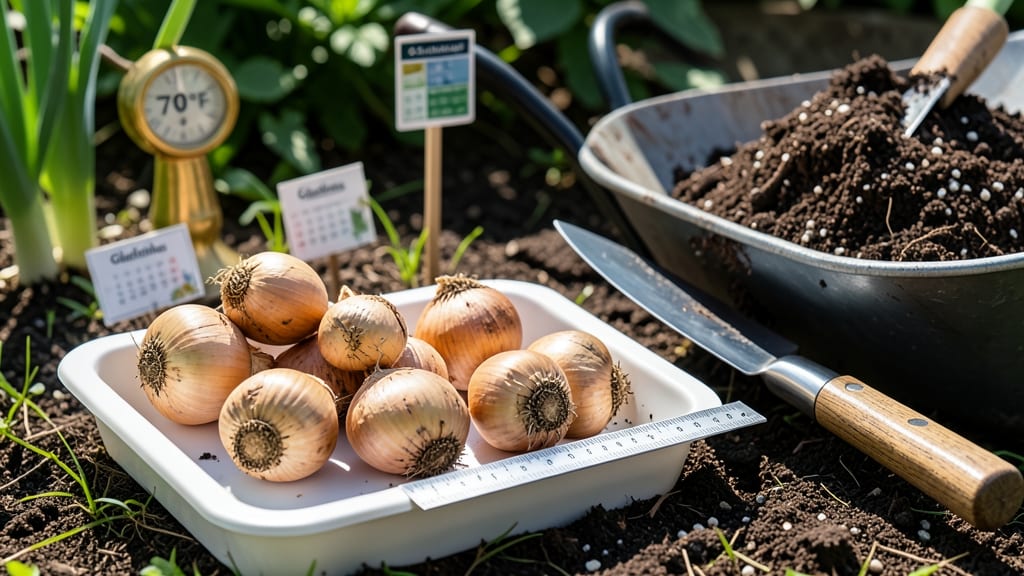
Planting gladiolus bulbs at the wrong time in North Carolina could mean missing out on those stunning 🌸 blooms entirely—whether they rot in cold soil or wilt before summer even begins.
The key to success lies in knowing your exact planting window, which varies by USDA Zone 7a-8a across the state.
Most gardeners in North Carolina should aim to get their gladiolus corms in the ground between mid-April and early June, but timing isn’t one-size-fits-all.
Coastal areas like Wilmington have longer frost-free seasons, while mountainous regions near Asheville need to wait until after the last frost—usually around early April—to avoid heat stress later in the season.
I’ll walk you through the exact frost-free timeline for your county, plus soil prep tips to ensure your gladiolus thrive. Whether you’re a first-time planter or a seasoned gardener, these insights will help you avoid common mistakes and extend your blooming season.
Ready to grow taller, showier gladiolus than ever before? Let’s dive into the perfect planting schedule for your North Carolina garden.
North Carolina gladiolus planting timeline by heat Zone (USDA 7a-8b)
North Carolina's diverse climate—from the cool Mountains to the humid Coastal Plain—means gladiolus planting times vary dramatically. In Asheville (Zone 7a), you’ll plant 2-3 weeks later than in Wilmington (Zone 8b). The key is waiting until soil temperatures hit 60°F+ and nighttime lows stay above 50°F consistently.
Use your last frost date as a baseline, but don’t rush—gladiolus corms rot in cold, soggy soil. Most NC counties fall between USDA Zones 7a-8a, but microclimates (like valleys or urban heat islands) can shift your timeline by 1-2 weeks.
For example, Charlotte (Zone 7b) typically plants in mid-April, while Raleigh (Zone 7a) waits until early May.
Here’s your region-specific planting window, including soil warmth thresholds and frost-free averages to avoid heat stress or early dormancy:
| Region | USDA Zone | Last Frost Date | Planting Window | Soil Temp Threshold |
|---|---|---|---|---|
| Mountains (Asheville, Boone) | 7a | April 15–May 1 | May 1–May 15 | 60°F+ (consistently) |
| Piedmont (Raleigh, Greensboro) | 7a–7b | March 20–April 5 | April 15–May 1 | 60°F+ (consistently) |
| Coastal Plain (Wilmington, Fayetteville) | 8a–8b | February 20–March 10 | March 20–April 10 | 65°F+ (coastal soils warm faster) |
| Sandhills (Pinehurst, Sanford) | 7b–8a | March 1–March 15 | March 25–April 10 | 62°F+ (sandy soils dry out quickly) |
🌱 Pro Tip: Use a soil thermometer—gladiolus corms need warmth to sprout!
If you’re in Zone 7a (Mountains), hold off until May 1 to avoid late frosts. In Zone 8b (Coastal Plain), you can plant as early as late March, but watch for southern blight in humid conditions.
For sandy soils (Sandhills), water deeply after planting to prevent corms from drying out too quickly.
Gladiolus bulbs (technically corms) thrive when planted in well-draining soil with 6+ hours of sun. In NC’s shorter growing season, aim for a late-May to early June planting if you missed the ideal window—just adjust your expectations for smaller blooms or later flowering.
For extended blooms, try succession planting: Add new corms every 2 weeks until mid-June. This staggering technique ensures continuous color from July through October, even in NC’s hot, humid summers. Just remember: No fall planting—gladiolus won’t survive NC winters.
After planting, mulch lightly with straw or pine needles to retain moisture and regulate soil temperature. Avoid thick mulch layers, which can cause rot. In clay-heavy soils (Piedmont), amend with compost or sand to improve drainage—gladiolus hates soggy roots.
Monitor your garden for thrips, a common NC pest that attacks gladiolus. If you see silver streaks on leaves or distorted buds, act fast with neem oil or insecticidal soap. Early intervention prevents misshapen blooms or reduced vigor.
By aligning your planting with NC’s heat zones and soil conditions, you’ll maximize bloom size and season length.
Whether you’re in Asheville’s cool valleys or Wilmington’s coastal heat, these timelines ensure your gladiolus put on their best show—tall, dramatic spikes of color that turn heads all summer long.
North Carolina gladiolus planting timeline by heat Zone (USDA 7a-8b)
North Carolina’s diverse climate—from the cool Mountains to the humid Coastal Plain—means gladiolus planting windows vary by USDA Zone. Aim to plant after your average last frost date (typically mid-April to early June) when soil temps hit 60°F+.
In Asheville (Zone 7a), wait until May 1; in Wilmington (Zone 8b), late March works. Soil thermometers are your best friend here—gladiolus corms need warmth to sprout!
For Raleigh (Zone 7b) and Charlotte (Zone 7b-8a), late April is ideal. Coastal areas like Morehead City can plant as early as March 15, but avoid soggy soil.
Mountain regions like Boone should delay until May 10 to dodge late frosts. Always check your local Cooperative Extension for precise frost data—it’s a game-changer!
| Region | USDA Zone | Last Frost Date | Planting Window | Soil Temp Threshold |
|---|---|---|---|---|
| Asheville | 7a | May 1 | May 1–June 15 | 60°F+ |
| Raleigh | 7b | April 15 | April 20–May 30 | 60°F+ |
| Charlotte | 7b-8a | April 1 | April 10–June 1 | 60°F+ |
| Wilmington | 8b | March 15 | March 20–April 30 | 55°F+ |
| Boone | 6b | May 10 | May 15–June 20 | 65°F+ |
Pro tip: If you’re in Zone 7a or cooler, opt for early-blooming varieties like ‘Picasso’ or ‘Green Star’ to maximize your short summer. In Zones 8a-8b, you can stretch blooms into October with late plantings.
Just remember—gladiolus corms won’t survive NC winters, so dig them up before first frost (usually mid-October) and store them in dry peat moss at 40–50°F.
For container gardening in NC’s unpredictable climate, plant in early May and use black plastic mulch to warm soil faster. This trick adds 2–3 weeks to your growing season—perfect for short-season zones. Just avoid mulching too early, or you’ll trap cold soil and delay sprouting.
Timing isn’t just about frost—it’s also about heat stress. Planting too late in June or July can cause gladiolus to bolt (shoot up quickly) or produce small, weak blooms.
Aim for 6–8 weeks before your first fall frost to ensure full-sized flowers. In Wilmington, that’s August 15; in Asheville, September 1.
Use this county-specific guide to sync your planting with NC’s 180–240 frost-free days. Whether you’re in the sandy Coastal Plain or clay-rich Piedmont, nailing the timing means longer stems, bigger blooms, and zero wasted corms—trust me, your summer garden will thank you!