
Plants
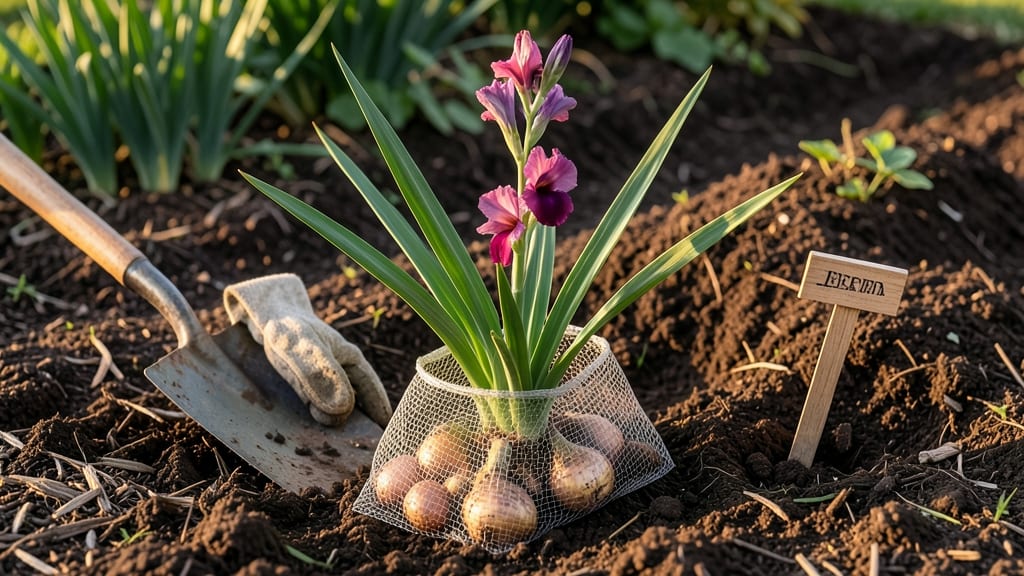
Planting gladiolus bulbs at the right time in Georgia means the difference between showstopping summer blooms and struggling stalks that never take off.
With Georgia's 7b-8a climate, timing these dramatic 🌸 flowers correctly is key—too early and they'll bolt in the heat, too late and they won't establish before summer's peak.
Most gardeners in your zone know spring is the way to go, but the exact window matters more than you'd think. I've seen firsthand how planting just a few weeks too early can turn vibrant blooms into floppy, heat-stressed stems.
The ideal timeframe gives your gladiolus bulbs the perfect head start without inviting summer's intensity too soon.
What you'll discover here is the precise 4-6 week window before Georgia's last frost date (around March 15), plus how to adjust for your specific microclimate. We'll also cover why fall planting is a no-go in this heat zone and how to prepare your soil for maximum bloom potential.
Whether you're a seasoned gardener or just starting with gladiolus, these insights will help you grow taller, healthier plants that burst with color from July through September. Let's get those bulbs in the ground at the perfect moment for your Georgia garden.
Best planting windows for Georgia gladiolus bulbs (heat Zone 8 guide)
Georgia’s Heat Zone 8 climate means gladiolus bulbs thrive with the right timing—plant too early, and they’ll bolt in summer heat; too late, and blooms arrive after frost. The ideal window spans late February to early April, aligning with soil warming and avoiding Georgia’s unpredictable late frosts.
For most of Georgia, the last average frost date falls around March 15. Planting 4-6 weeks before this date (mid-February to early March) gives bulbs time to establish roots before summer’s intensity. In northern Georgia (Zone 7b), push planting to late March to avoid springtime cold snaps.
Soil temperature is critical—gladiolus bulbs need 60°F+ soil to sprout. Use a soil thermometer to confirm readiness. In Georgia’s clay-heavy soils, warming often lags behind air temperature, so don’t rush planting just because daytime temps rise.
Microclimates matter in Georgia: Coastal areas (like Savannah) can plant 2 weeks earlier than inland regions (like Athens). Urban heat islands may also allow earlier planting in city gardens. Observe nearby landscapes—if azaleas bloom early, your microclimate likely warms faster.
| Planting Window | Key Considerations | Best For |
|---|---|---|
| Late February | Soil temps 55-60°F; minimal frost risk in southern GA | Coastal areas (Zone 8a) |
| Mid-March | Average last frost date; soil 60°F+ | Central GA (Atlanta, Macon) |
| Early April | High frost risk; soil 65°F+ | Northern GA (Zone 7b) |
| May (Staggered) | Extended bloom season; higher heat tolerance | Late-season color (cut flowers) |
Fall planting is not recommended in Georgia due to the risk of winter rains causing rot. Unlike tulips, gladiolus bulbs won’t survive Georgia’s mild winters—even when dormant. If you miss spring planting, consider container growing for late-season blooms.
For extended blooms, try staggered planting: Install 1/3 of bulbs in late February, 1/3 in March, and the final 1/3 in early April. This creates a 6-week bloom sequence from July through August, perfect for cutting gardens.
Watch for soil moisture after planting—Georgia’s spring rains can lead to waterlogged soil, which causes bulb rot. Amend heavy clay with compost or sand to improve drainage. A 1-inch layer of mulch helps regulate soil temperature and retain moisture during dry spells.
Remember: Gladiolus bulbs are tender and won’t survive Georgia’s winters outdoors. After blooming, dig up and store corms in a cool, dry place (like a paper bag in your garage) until next spring. This protects them from winter moisture and pests like voles.
Best planting windows for Georgia gladiolus bulbs (heat Zone 8 guide)
Georgia’s Heat Zone 8 climate offers a narrow but critical window for planting gladiolus bulbs. Unlike cooler regions, timing is everything—plant too early, and bulbs may rot from lingering moisture; too late, and summer heat stunts growth.
The sweet spot? Late February to early April, aligning with soil warming and last frost risks (March 15 average).
For early blooms, aim for February 20–March 15, especially in southern Georgia (Zone 8a). In northern areas (Zone 7b), wait until March 1–April 1 to avoid frost damage. Soil temperature should reach 60°F—use a soil thermometer to confirm before planting.
🌱 Georgia Gladiolus Planting Timeline
| Stage | Action | Notes |
|---|---|---|
| Soil Prep | Test pH (6.0–7.0) | Amend with compost if needed |
| Planting Window | Late Feb–Early Apr | 4–6 weeks before last frost |
| Depth | 4–6 inches | Pointy end up, 6" apart |
| Bloom Time | July–September | Stagger planting for extended color |
Microclimates matter in Georgia! Urban areas (like Atlanta) may need 1–2 weeks later due to heat islands, while rural zones can plant earlier. Watch for soil moisture—Georgia’s spring rains can delay planting if soil stays soggy. Elevate beds or use raised planters if drainage is poor.
Pro tip: Stagger your planting by 2–3 weeks for continuous blooms. Plant early varieties (like ‘Picasso’) in late February, then mid-to-late season types (e.g., ‘Green Star’) in early April. This ensures July–September color without gaps.
For fall blooms, avoid planting after June 1—gladiolus need 10–12 weeks to mature before frost. If you miss spring, opt for container growing to control soil warmth and extend the season.
Remember: Georgia’s heat is your ally after planting. Once established, gladiolus thrive in full sun and dry conditions. Mulch with straw to retain moisture and deter weeds—but avoid thick layers that trap heat.