
Companion Plants
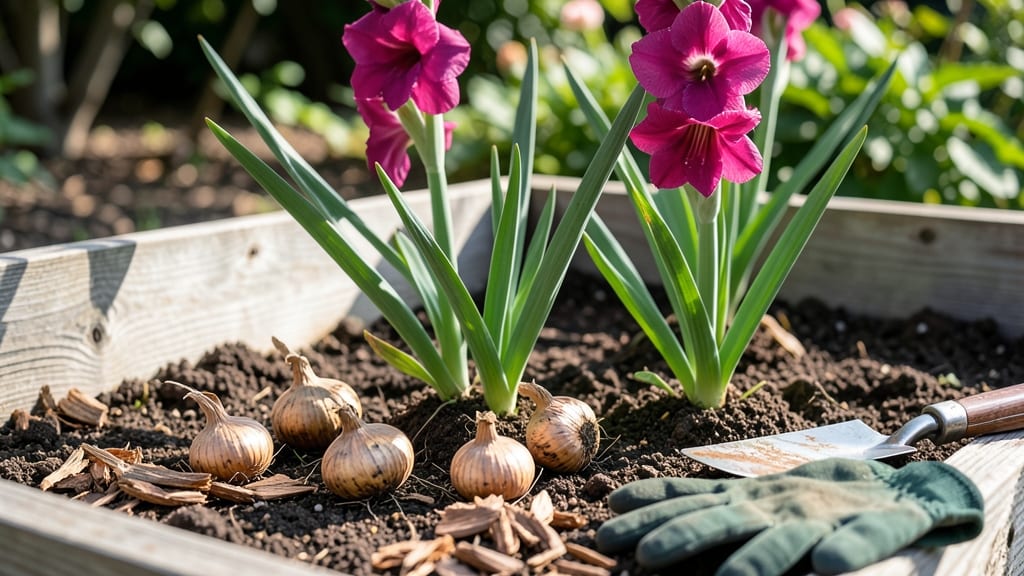
Planting gladiolus bulbs at the wrong time in Connecticut could mean waiting all summer for those show-stopping blooms—or worse, watching them never appear. With USDA Zone 6a frost dates that shift yearly, timing is everything for your 🌸 gladiolus to thrive.
Most gardeners in Connecticut assume mid-May is safe, but late frosts can still sneak in—especially in Zone 6a areas like Hartford. The key is waiting until soil temperatures hit 55°F and the last frost has passed, usually around mid-to-late May.
I’ve learned the hard way that rushing planting leads to stunted growth, while waiting too long shortens the bloom season. Here’s how to nail the perfect window—plus how to adjust for Connecticut’s unpredictable springs.
You’ll discover the exact frost-free timeline for your region, soil prep secrets, and pro tips to extend your gladiolus season. Let’s get those bulbs in the ground the right way!
Optimal gladiolus planting dates in CT by USDA Zone 6b-7a
Connecticut’s USDA Zones 6b-7a create a unique challenge for gladiolus growers—late frosts can still linger into mid-May, while summer heat arrives quickly. To maximize your 165 frost-free days, timing is critical.
Most gardeners in Hartford, New Haven, and Stamford aim for planting between April 20 and May 15, but regional microclimates can shift this window by 1-2 weeks.
Your last frost date is the key benchmark. According to the Connecticut Agricultural Experiment Station, the average last frost for most of CT falls around April 15, but mountainous areas like Litchfield County may experience frost until May 1.
For reliable blooms, plant 4-6 weeks before your area’s average last frost—typically mid-April for coastal areas and late April for inland regions.
Soil temperature is just as important as air temperature. Gladiolus bulbs need soil that’s warmed to at least 60°F (15°C) for optimal root growth. In CT, this usually occurs by early May, but you can use a soil thermometer to confirm.
Planting too early in cold soil can lead to rotten bulbs or stunted growth.
Here’s a quick reference for Connecticut’s three key regions:
| Region | Avg. Last Frost | Ideal Planting Window | Soil Temp. Threshold |
|---|---|---|---|
| Coastal (Stamford, New Haven) | April 10-15 | April 15-May 1 | 60°F (15°C) |
| Central (Hartford, New Britain) | April 15-20 | April 25-May 10 | 60°F (15°C) |
| Northern (Litchfield, Torrington) | May 1-5 | May 10-20 | 60°F (15°C) |
For extended summer blooms, many CT gardeners practice staggered planting. Start with early varieties in mid-April and follow up with mid-season types in early May. This ensures continuous late summer to early fall color, even as temperatures drop in October.
Just be prepared to protect late plantings with row covers if frost threatens.
If you’re unsure about your local frost date, check the National Oceanic and Atmospheric Administration (NOAA) or your local Cooperative Extension Service for updated data. For example, the UConn Home & Garden Education Center provides free frost date maps tailored to CT’s microclimates.
Pro tip: Bookmark their garden calendar to stay ahead of seasonal shifts.
One common mistake is planting gladiolus bulbs too early in hopes of earlier blooms. While this might work in Zone 8 or higher, CT’s late springs often result in bulb rot or weak stems.
Always wait until the soil is consistently above 55°F (13°C) at 6 inches deep—this is your green light to plant.
For container gardening in CT, the timeline shifts slightly. Since pots warm up faster than garden beds, you can plant 2-3 weeks earlier (around April 1) in black plastic pots or heat-retaining containers.
Just ensure your pots have drainage holes to prevent waterlogged soil, which gladiolus bulbs hate.
Remember, gladiolus bulbs are not frost-hardy, so even a light freeze (28°F/-2°C) can damage emerging shoots. If you’re in a high-risk area, consider using a mini greenhouse or cloche to protect young plants until late May.
This extra layer of insulation can extend your growing season by 2-3 weeks.
Once planted, maintain consistent moisture—gladiolus bulbs need 1 inch of water per week during establishment. Mulch with straw or shredded leaves to retain soil moisture and regulate temperature.
With the right timing and care, your gladiolus will reward you with dramatic 4-5 foot spikes of color from July through September.
How to adjust planting for early vs. late CT springs
Connecticut’s spring weather can be as unpredictable as a toddler’s mood—one day it’s sunny, the next it’s snowing! If you’ve ever planted gladiolus bulbs only to watch them freeze under a surprise frost, you’re not alone.
The key is flexibility. Adjusting your planting timeline based on whether you’re facing an early or late spring can mean the difference between a lush summer display and a sad, wilted disappointment.
For early springs (when soil warms faster than expected), don’t rush—gladiolus bulbs need consistent warmth to thrive. Planting too soon can stunt root growth or invite rot. Aim to wait until soil temperatures hit at least 60°F (15°C) at a depth of 4 inches.
Use a soil thermometer to check; if it’s cooler, hold off for another week.
If your spring arrives late, don’t panic. Gladiolus bulbs are surprisingly resilient. You can stagger your planting over a 3-4 week window in May to spread out blooms. Alternatively, use row covers or a cold frame to protect newly planted bulbs from late frosts.
Just remember: never plant before the last average frost date for your area (typically mid-April in CT).
🌱 Pro Tip: In Zone 6b (northern CT), aim for May 1-15 to avoid frost risks. In Zone 7a (southern CT), you can start as early as late April. Always check the Connecticut Agricultural Experiment Station’s frost data for your specific region before committing.
Here’s the hardest truth: No matter how carefully you plan, Mother Nature might throw a curveball. That’s why I recommend keeping a few bulbs on standby. If a late frost threatens, cover them immediately with frost cloth or straw mulch.
Even a few hours of protection can save your glads from frost damage.
Another trick? Plant deeper in colder areas—6 inches deep instead of the usual 4-5 inches. The extra soil acts as insulation, shielding bulbs from temperature swings. Just be sure to water thoroughly after planting to help the soil settle and protect the bulbs.
Finally, monitor your garden daily in late spring. Gladiolus shoots are delicate when young, and a single hard frost can set them back.
If you see new growth peeking through the soil, be prepared to act fast—whether that means covering them or moving potted bulbs to a sheltered spot until danger has passed.
💡 Remember: The goal isn’t perfection—it’s adaptation. Connecticut’s climate rewards gardeners who stay flexible. With these adjustments, you’ll turn even the trickiest spring into a season of stunning gladiolus blooms.
⚠️ Late Frost Warning
If frost is forecasted after planting, act immediately. Gladiolus bulbs can survive light frosts, but emerging shoots are vulnerable. Cover with frost cloth or a lightweight blanket and remove as soon as temperatures rise to prevent overheating.