
Plants
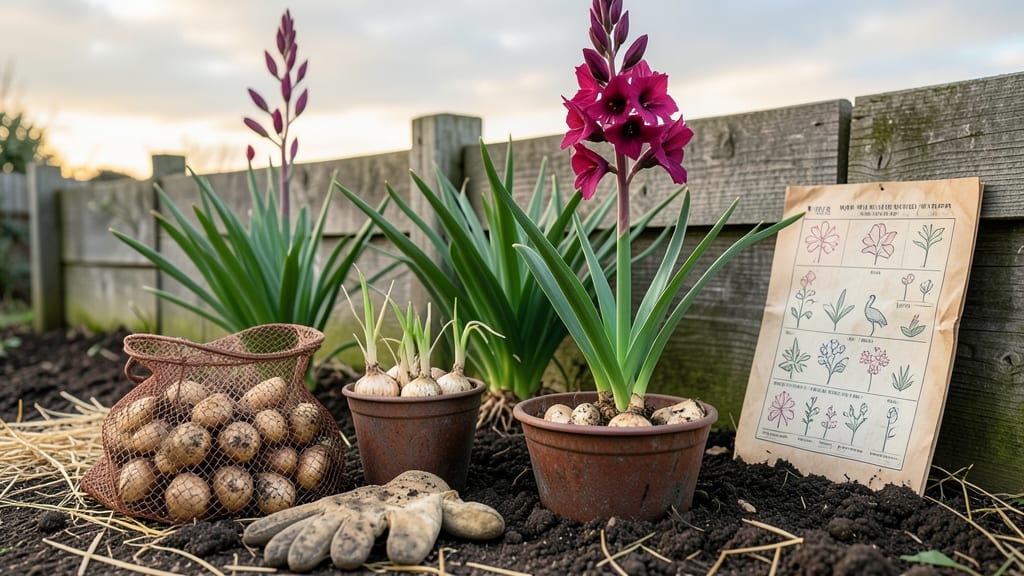
Planting gladiolus bulbs at the wrong time in California can turn your dream of showstopping 🌸 blooms into a flop—especially when coastal fog clashes with desert heat. The key to success lies in understanding your local microclimate, whether you're in USDA Zone 9a or the rare frost-free desert regions.
Unlike other plants, gladiolus thrive when planted after the last frost threat, which in most of California means March through May. But here's the catch: inland areas like the Central Valley can start as early as February, while coastal gardeners should wait until April to avoid soggy soil.
Timing isn't just about months—it's about soil temperature and rainfall patterns.
I've learned the hard way that rushing the process can lead to stunted growth or even rot, while waiting too long might leave you with shorter blooms or none at all.
The solution? Plant when your soil warms to 60°F and the danger of frost has passed—no matter where you live in the Golden State.
In this guide, I'll break down the exact planting windows for your region, plus pro tips to extend your gladiolus season from summer straight into fall. Let's get those corms in the ground at the perfect moment for bold, long-lasting color that stands out in any California garden.
California heat-Zone planting calendar for gladiolus bulbs
Gladiolus bulbs thrive in California’s warm climate, but the perfect planting window varies dramatically from coastal fog belts to desert heat zones. Unlike frost-dependent regions, California’s USDA Zones 9a–11 offer year-round growing potential—but timing still matters to avoid heat stress or stunted blooms.
For example, coastal areas like San Francisco (Zone 9b) can plant as late as May, while the Central Valley’s Zone 10a heat demands February–March action.
Your local last frost date is irrelevant in most of California (except high-elevation areas like Mount Shasta), but soil temperature is critical. Gladiolus corms need 60°F+ soil to sprout consistently.
Use a soil thermometer to confirm—coastal soils may stay cool into April, while inland deserts hit 70°F by February. Pro tip: Plant when daytime highs are 70–75°F for optimal growth.
🌱
| Region | Best Planting Months | Soil Temp Goal (°F) | Key Consideration |
|---|---|---|---|
| Coastal (SF, LA) | March–May | 60–65°F | Delay until fog lifts; use shade cloth if planting early. |
| Central Valley (Sacramento) | February–March | 65–70°F | Plant early to avoid summer wilting; mulch heavily. |
| Desert (Palm Springs) | January–February | 70–75°F | Avoid midday heat; plant at dusk or use shade. |
| High Elevation (Lake Tahoe) | May–June | 55–60°F | Wait for frost risk to pass; shorter growing season. |
For staggered blooms, California gardeners often plant in two waves: the first batch in February–March for early summer flowers, and a second in April–May to extend color into fall. This works especially well in Zone 10+ areas where heat can scorch blooms by July.
Choose heat-tolerant varieties like ‘City of Paris’ or ‘Picasso’ for inland plantings—they handle 90°F+ days better than traditional types.
If you’re in coastal California, resist the urge to plant too early. March is ideal because April–May fog can delay sprouting. Pre-soak corms in lukewarm water for 12 hours before planting to jumpstart growth in cooler soils.
For inland areas, prioritize morning planting to avoid midday heat stress on freshly planted corms.
One common mistake? Planting gladiolus in June or later. While possible, blooms may appear stunted or short-lived due to late-season heat. Instead, focus on spring plantings and let the corms rest through summer—they’ll reward you with bolder blooms next year.
In desert climates, consider fall plantings (September–October) for winter blooms, though this requires extra irrigation.
Pro move: Mark your calendar for July–August to dig up and divide corms. California’s dry summers make this easier than in humid climates, and it prevents overcrowding, which leads to smaller, weaker blooms.
Store divided corms in a cool, dry place (like a garage shelf) until your next planting window.
Remember, gladiolus are not perennial in California’s climate—they die back after blooming, but their corms can replant themselves if left undisturbed. For continuous color, rotate plantings every 4–6 weeks during your region’s ideal window. This ensures your garden stays bursting with
California heat-Zone planting calendar for gladiolus bulbs
Gladiolus bulbs thrive in California’s USDA Zones 9a-11, but timing varies dramatically from coastal fog belts to inland deserts. Inland areas like the Central Valley can plant as early as February, while coastal regions should wait until March or April to avoid chilly soil.
The key is planting when soil temperatures reach 60°F (15°C)—use a soil thermometer if unsure!
Desert regions (e.g., Palm Springs) benefit from February plantings to beat summer heat, while Northern California’s cooler zones (Zone 9a) may need to wait until late March. Always check your local frost-free date, even in frost-free zones like San Diego, to align with active growth phases.
| Region | Best Planting Month | Soil Temp Goal | Key Cue |
|---|---|---|---|
| Coastal (San Francisco, Santa Barbara) | March–April | 60–65°F (15–18°C) | Fog lifts consistently |
| Central Valley (Sacramento, Fresno) | February–March | 55–60°F (13–15°C) | Daytime highs 65°F+ |
| Desert (Palm Springs, Joshua Tree) | January–February | 65–70°F (18–21°C) | Nighttime temps 50°F+ |
| Southern California (LA, San Diego) | February–March | 60–65°F (15–18°C) | No coastal fog predicted |
For staggered blooms, plant successive batches every 2–3 weeks from February to April. This ensures continuous color from June through September. In hot inland areas, opt for heat-tolerant varieties like ‘Picasso’ or ‘City of Paris’ to avoid wilting in 100°F+ temperatures.
Always plant 4–6 inches deep and 4–6 inches apart in well-draining soil to prevent rot. Amend heavy clay soils with compost or sand for optimal drainage—critical in California’s variable rainfall patterns.
Pro tip: Use black plastic mulch in desert regions to warm soil faster and extend the growing season by 2–3 weeks. This trick helps inland gardeners beat the summer heat and enjoy longer bloom times.
🌸