
Plants
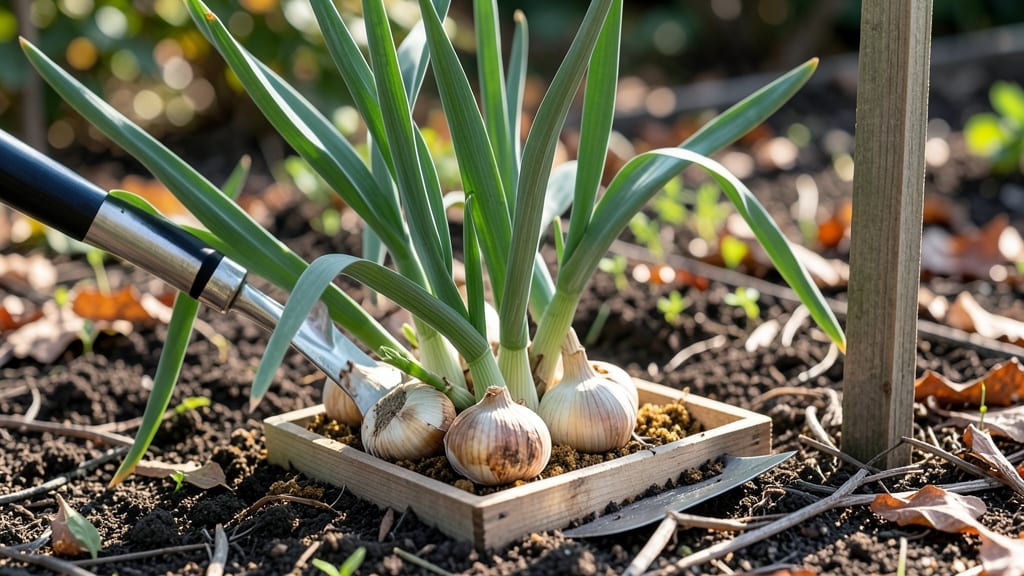
Planting garlic 🧄 in Zone 4b at the wrong time could mean the difference between plump, flavorful bulbs and a sad, underwhelming harvest.
The key to success lies in getting those cloves into the ground 6-8 weeks before the first hard frost, giving them time to establish strong roots before winter sets in.
As someone who’s learned the hard way about missed planting windows, I’ll share exactly when to plant in Zone 4b—typically between October and early November—and why timing matters more than you might think. A little preparation now can save you from weak sprouts or frost damage later.
You might wonder why fall planting works better than spring, especially in cold climates like 4b. The answer lies in how garlic grows: it needs cold exposure to develop properly, and planting too late or too early can throw off the entire cycle.
Let’s break down the perfect window and what to watch for.
Whether you’re a seasoned gardener or just starting with garlic, these insights will help you avoid common mistakes and set yourself up for a bountiful harvest next summer. Ready to dig in? Let’s get your garlic planted right.
Optimal fall planting timeline for Zone 4B garlic: weeks before frost
In Zone 4B, garlic thrives when planted in fall—not spring—because the cold winter months help develop stronger bulbs.
The key is timing it 6-8 weeks before the first hard frost, which typically lands in mid-to-late October for most of Zone 4B. This window ensures garlic roots establish before the ground freezes, setting the stage for a bountiful harvest the following summer.
For example, if your average first frost date is November 15, aim to plant between October 1-15.
In northern parts of Zone 4B (like Minnesota or Maine), you might shift planting to early October, while southern edges (like Ohio or Pennsylvania) can wait until mid-October. Soil temperatures below 40°F (4°C) signal it’s time to plant.
Garlic planted too early may produce smaller bulbs or even rot if the ground stays too warm. Conversely, planting too late risks weak root development before winter sets in.
The goal is to give garlic enough time to sprout and root but not so much that it starts actively growing above ground before frost.
Here’s a quick reference for your Zone 4B garlic planting timeline, including soil prep and frost considerations:
| Stage | Action | Notes |
|---|---|---|
| Soil Prep | Test soil pH (6.0-7.0) | Add compost for drainage |
| Planting Window | 6-8 weeks before frost | Early October for most of Zone 4B |
| Soil Temperature | Below 40°F (4°C) | Use a soil thermometer |
| Planting Depth | 2 inches deep | Pointy end up, 4-6 inches apart |
| Post-Planting | Mulch with straw | 3-4 inches thick to insulate |
After planting, mulch heavily with straw or leaves to protect bulbs from freeze-thaw cycles. This insulation also prevents soil heaving, which can expose garlic cloves to cold damage. In Zone 4B, where winters are harsh, mulch acts as a lifeline for your garlic’s root system.
If you’re unsure about your local frost dates, check with your local cooperative extension office or use USDA Plant Hardiness Zone maps.
These resources provide hyper-localized planting advice tailored to your specific microclimate within Zone 4B. For example, areas near Great Lakes may experience later frosts due to lake-effect snow, while inland regions might freeze earlier.
Spring planting is possible in Zone 4B, but it’s riskier. Garlic planted in early spring (March) may not mature fully before summer heat sets in, leading to smaller, weaker bulbs. Fall planting gives garlic the long, cold dormancy it needs to develop large, flavorful cloves.
Pro tip: If you’re new to garlic growing, start with hardneck varieties, which handle Zone 4B’s cold better than softneck types. Varieties like 'German White' or 'Music' are excellent choices for beginners in this zone.
Remember, the earlier you plant in the fall window, the larger your bulbs will be. But don’t rush—waiting for cool soil ensures your garlic gets off to the best possible start. 🧄
Optimal fall planting timeline for Zone 4B garlic: weeks before frost
In Zone 4B, garlic thrives when planted 6-8 weeks before the first hard frost. For most areas, this means aiming for mid-October to early November. The key is letting roots establish before winter dormancy—cold soil helps form strong bulbs.
Check your local average frost date (usually November 15 in Zone 4B). Planting too early risks soft, weak bulbs, while waiting too long may leave garlic vulnerable to winter kill. A soil thermometer confirms readiness when temps drop to 40-50°F.
| Stage | Action | Soil Temp |
|---|---|---|
| 6-8 Weeks Before Frost | Plant cloves 2" deep, 4-6" apart | 40-50°F |
| Winter Dormancy | Mulch heavily (4-6") with straw | Below freezing |
| Spring Growth | Remove mulch when soil thaws | Above 40°F |
| Harvest Ready | Lower leaves brown, bulbs firm | 70-80°F |
Northern Zone 4B areas (e.g., Upstate New York, Northern Michigan) may need to plant earlier (late September) due to earlier frosts. Southern edges (e.g., Northern Indiana, Wisconsin) can extend to early November.
Use hardneck varieties like 'German White' or 'Music' for Zone 4B—they handle cold better than softnecks. Break bulbs into individual cloves (pointy end up) and plant them 2" deep in loose, well-draining soil.
After planting, mulch with straw to insulate roots during winter. This protects against heaving (frost pushing bulbs up) and keeps soil temps stable. Remove mulch in early spring once shoots appear.
Timing isn’t just about frost—it’s about root development. Garlic planted too late may not form bulbs before summer heat arrives. Aim for October 1-15 as your sweet spot for most of Zone 4B.