
Companion Plants
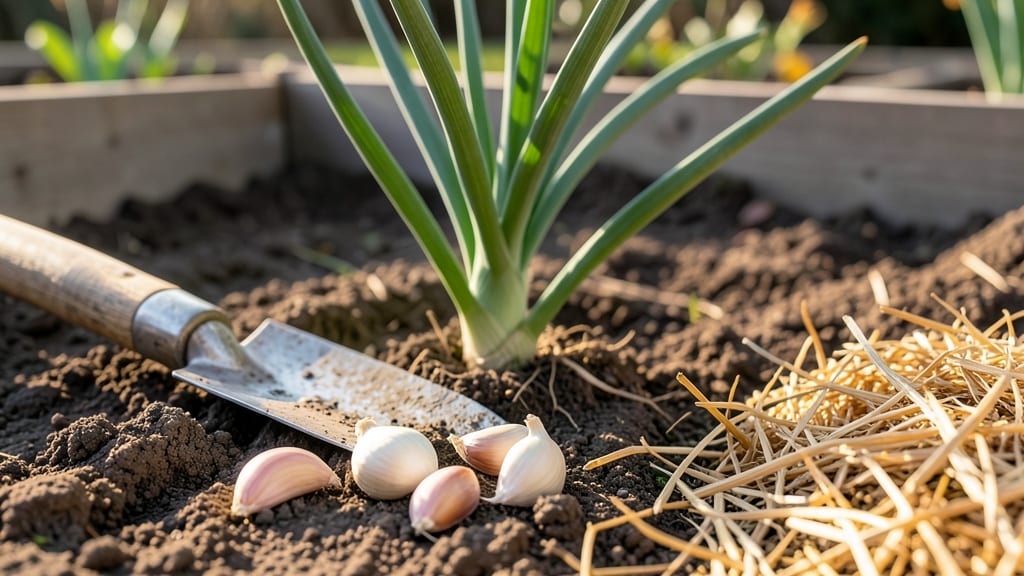
Planting garlic in New York isn’t just about timing—it’s about outsmarting the unpredictable frost cycles that can turn your crop into a sad, icy memory. Whether you’re growing hardneck or softneck varieties, getting the fall window right (October–November) means the difference between a bountiful harvest and a wasted season.
In USDA Zones 5a-7b, the key is planting 4-6 weeks before the ground freezes, giving your 🧄 cloves time to root before winter sets in. But here’s the catch: hardnecks need colder winters to form scapes, while softnecks prefer milder starts.
If you miss the fall window, spring planting (March–early April) is your backup—but it’s riskier.
I’ve tested both methods in New York’s variable climate, and the results speak for themselves. The right timing isn’t just about dates; it’s about soil temperature, frost dates, and even your specific microclimate. Let’s break down exactly when—and how—to plant for zero-frost success.
From avoiding early bolting to adjusting for NYC’s urban heat islands, this guide covers the critical details you need to grow garlic like a pro. No more guesswork—just a reliable harvest come June or July.
Optimal garlic planting months in New York by variety (hardneck vs softneck)
New York’s USDA Zones 5-7 create a unique challenge for garlic growers, where hardneck varieties thrive in colder winters while softneck varieties prefer milder starts. The key difference? Hardnecks need cold stratification to form bulbs, while softnecks grow best in warmer microclimates like Long Island or NYC’s urban gardens.
For hardneck garlic (like Music or German White), the ideal window is mid-October to early November—6 weeks before your first hard frost. This gives roots time to establish before winter dormancy.
In Zone 5a (e.g., Buffalo), aim for October 15-30; in Zone 7b (e.g., NYC), shift to November 1-15.
Softneck garlic (like Silverskin or Artichoke) is more flexible but still benefits from fall planting. Plant late October to December, especially in Zone 6-7, where milder winters reduce frost risk. However, avoid planting after December 1, as softnecks may bolt prematurely if exposed to warm spells.
Here’s the critical rule: Soil temps must stay above 40°F for roots to grow. Use a soil thermometer—if temps drop below 35°F, delay planting until next spring. In Zone 5a, this often means waiting until March for softnecks.
🌱 Garlic Planting Comparison: Hardneck vs. Softneck in New York
| Variety | Best Planting Window | Zone 5a (e.g., Buffalo) | Zone 7b (e.g., NYC) | Key Notes |
|---|---|---|---|---|
| Hardneck (e.g., Music, German White) | Mid-October to early November | October 15–30 | November 1–15 | Needs cold for bulb formation; bolts in spring. |
| Softneck (e.g., Silverskin, Artichoke) | Late October to December | November 1–15 (or spring) | November 15–December 15 | Tolerates milder winters; stores longer. |
| Spring Planting (Both) | March–early April | March 15–April 10 | March 20–April 15 | Smaller bulbs; risk of bolting if planted too late. |
💡 Pro Tip: Use local frost dates (check Almanac’s NY maps) to fine-tune your timeline.
Microclimates matter! NYC’s urban heat island can delay first frosts by 1-2 weeks compared to rural areas. For example, Brooklyn may stay frost-free until November 20, while Upstate NY sees frost by October 25.
Adjust your planting date accordingly—hardnecks in cities can sometimes be planted as late as November 10.
Spring planting is a last-resort option but works if you miss fall. Plant March–early April, but expect smaller bulbs and higher bolting risk (premature flowering). Hardnecks bolt earlier in spring, so harvest their scape (flower stalk) to redirect energy to bulb growth.
For zero-frost success, prioritize hardnecks in fall and softnecks in late fall or spring. Mulch with 4–6 inches of straw after planting to insulate bulbs through winter. This buffer keeps soil temps stable and prevents heaving (bulbs pushing out of the ground).
🌿
How to time your garlic planting for zero-frost success in New York
Timing your garlic planting isn’t just about picking a month—it’s about reading your local microclimate and soil conditions. In New York, the ideal window for fall planting is 4-6 weeks before the ground freezes, typically between mid-October and November 15 in most of the state.
But if you’re in Zone 5a (like the Adirondacks), aim for early October, while Zone 7b (Long Island) can wait until late November.
Use the soil temperature rule: garlic cloves need soil at 40°F or warmer to sprout. Check with a soil thermometer or wait until daytime temps hover around 50°F. If you plant too early, cloves may rot; too late, and they won’t root before frost.
For spring planting (a backup option), wait until March–early April when soil warms to 50°F, but yields are often smaller.
📌 Your Personal Planting Timeline
- 📅 Step 1: Check Frost Dates – Use the National Weather Service or local Cooperative Extension for your last frost date.
- 🌡️ Step 2: Test Soil Temp – Plant when soil is 40°F+ (use a thermometer or wait for 50°F days).
- 🌱 Step 3: Plant 4-6 Weeks Before Frost – Hardnecks need cold winters; softnecks prefer milder starts.
- 🌙 Step 4: Consider the Moon – Plant during the waning moon for stronger roots (optional but traditional).
- ❄️ Step 5: Mulch After Frost – Add 4-6 inches of straw to insulate cloves through winter.
Don’t rely solely on calendar dates—NYC’s urban heat islands can delay frost by 1-2 weeks compared to rural areas. If you’re in Brooklyn or Manhattan, plant 10-14 days later than upstate regions.
For rural areas like the Hudson Valley, stick to the earlier side of the window to avoid early freezes.
Spring planting is riskier but works if you miss fall. Start indoors in February (6-8 weeks before last frost) or direct-sow in March–early April. Use row covers to protect young plants from late frosts. Just know: spring garlic often bolts faster and produces smaller bulbs.
Pro tip: Plant garlic in raised beds if your soil drains poorly—waterlogged cloves rot. Amend soil with compost for better drainage, and avoid fresh manure, which can burn cloves. Once planted, water deeply once and let nature take over until spring.
If you’re still unsure, plant a test row in early October and late November—compare the growth! The goal is root establishment before frost, not perfect timing. Even a week’s delay can mean the difference between a harvest and a loss in New York’s fickle climate.