
Plants
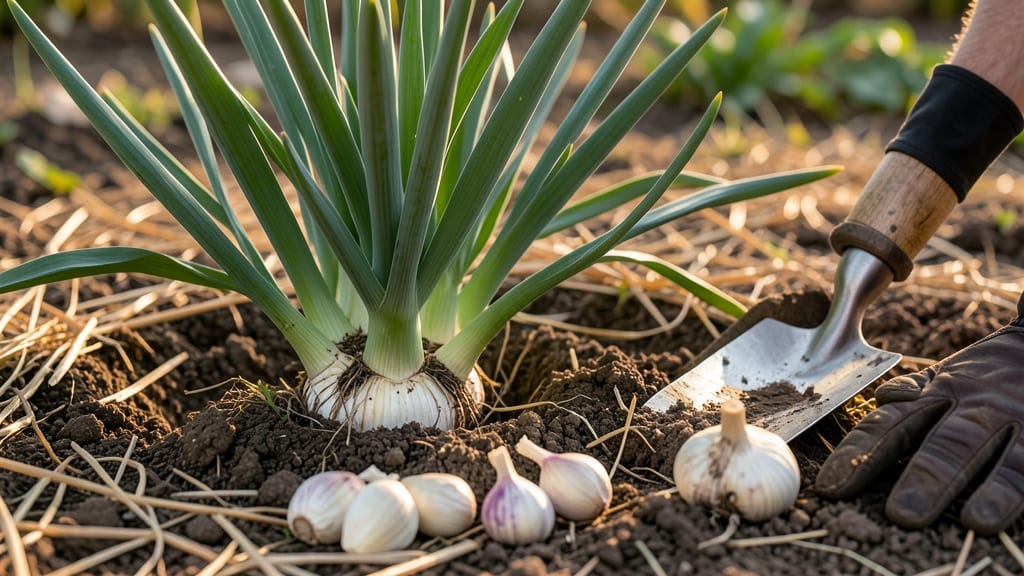
Planting garlic in Zone 10 at the wrong time could turn your bold harvest dreams into a sad, wilted disappointment—especially when summer heat and humidity lurk just around the corner.
Unlike colder zones where frost triggers planting, Zone 10’s mild winters mean you’ve got a narrow window to get it right. The key is timing your garlic 🧄 for cooler months when the soil stays cool enough to prevent premature bolting or disease.
Miss this, and you’ll end up with weak, disease-prone bulbs—or worse, no harvest at all.
I’ve grown garlic in Zone 10 for years, and what I’m about to share will help you avoid the most common mistakes that sabotage harvests. Whether you’re a first-timer or a seasoned gardener, these insights will give you the best shot at plump, disease-resistant garlic by next summer.
Ready to learn the exact months to plant for a flawless harvest? Let’s dive into the secrets that work in California’s coastal climate—and why spring planting might actually be riskier than you think.
Optimal planting months for garlic in Zone 10: avoiding heat stress and bolting
Garlic thrives in cool weather, but Zone 10’s mild winters and hot summers demand precise timing to avoid heat stress and premature bolting. Unlike colder zones, you won’t rely on frost cues—so understanding temperature thresholds is key.
Planting too late in fall or too early in spring can trigger bolting (flowering) before bulb development, wasting your harvest potential.
In Zone 10, the ideal window spans October through December for fall planting, or February through March for early spring. This aligns with soil temps between 50°F–60°F (10°C–15°C), which encourage root growth without stressing the plant.
Avoid summer planting entirely—garlic planted in heat above 75°F (24°C) will bolt within weeks.
Here’s why late fall works best: cooler temps slow growth, allowing bulbs to vernalize (a cold requirement for proper bulb formation). By winter, garlic enters dormancy, then resumes growth in spring without bolting. Spring planting (Feb–Mar) is a backup but risks bolting if summer heat arrives too soon.
Zone 10’s humidity adds another challenge—excess moisture promotes fungal diseases like white rot or basal rot. Planting in dry fall months (October–November) reduces this risk while still providing adequate moisture for root establishment.
| Planting Window | Soil Temp | Risk Level | Key Consideration |
|---|---|---|---|
| October–November | 50°F–60°F (10°C–15°C) | Low | Best balance of cool temps and dry soil |
| December | 45°F–55°F (7°C–13°C) | Moderate (dormancy risk) | Plant only if soil stays workable; avoid waterlogged conditions |
| February–March | 55°F–65°F (13°C–18°C) | High (bolting risk) | Use bolting-resistant varieties; monitor temps closely |
| April–May | 65°F+ (18°C+) | Very High | Avoid entirely; garlic will bolt within 3–4 weeks |
If you miss the fall window, February–March is your second chance—but success hinges on variety selection. Choose hardneck types like Silverskin or Artichoke, which tolerate slightly warmer springs better than Rocambole or Purple Stripe.
Always plant certified disease-free bulbs to prevent soil-borne pathogens from thriving in Zone 10’s humidity.
Pro tip: Use a soil thermometer to confirm temps before planting. Aim for 50°F–60°F (10°C–15°C)—any warmer risks bolting, while colder temps delay growth. In coastal Zone 10 (e.g., San Diego), October planting often works; inland areas (e.g., Palm Springs) may need November timing due to hotter microclimates.
After planting, mulch heavily (3–4 inches of straw) to insulate bulbs from temperature swings. This mimics the vernalization garlic needs without relying on frost. Remove mulch in late winter to let soil warm gradually, signaling the plant to resume growth without bolting.
Remember: In Zone 10, patience pays off. Garlic planted in late fall won’t harvest until June–August—but the bulbs will be larger and more robust than those rushed in spring. Bolting isn’t just a yield loss; it also weakens bulb quality, making storage difficult.
🌱
Optimal planting months for garlic in Zone 10: avoiding heat stress and bolting
In Zone 10, where winters are mild and summers scorching, garlic thrives when planted during cooler months—but timing is critical. Unlike colder zones, you can plant garlic twice a year: late fall (October–November) or early spring (February–March).
Fall planting gives bulbs time to establish roots before summer heat arrives, while spring planting avoids winter rains that can rot cloves.
Garlic bolts prematurely (sends up a flower stalk) when exposed to temperatures above 80°F (27°C) for prolonged periods. In Zone 10, planting in summer or early fall (August–September) risks bolting before bulbs mature. The goal is to let garlic grow through cool weather and harvest before summer’s heat triggers bolting.
⚠️ CRITICAL TEMPERATURE THRESHOLDS: Ideal soil temps for planting are 50–60°F (10–15°C). In Zone 10, this aligns with October–November or February–March. Use a soil thermometer to confirm—planting too early (like September) can lead to fungal issues, while planting too late (April+) may result in small bulbs.
| Planting Window | Best Months | Soil Temp | Risks |
|---|---|---|---|
| Fall Planting | October–November | 50–60°F (10–15°C) | Fungal rot if too wet |
| Spring Planting | February–March | 55–65°F (13–18°C) | Bolting if planted late |
| Avoid | April–September | Above 70°F (21°C) | Premature bolting |
For fall planting, aim to get cloves in the ground 6–8 weeks before summer heat arrives (typically by mid-November in most of Zone 10). This gives roots time to anchor before temperatures rise.
In coastal areas (e.g., San Diego), you might push planting to early December, but inland zones (e.g., Phoenix) should plant by November 1st to avoid heat stress.
If you miss fall planting, spring is your second chance. Plant in February or early March to ensure bulbs mature before summer. Avoid planting after March 15th, as cloves may bolt before forming full bulbs.
In Zone 10, spring-planted garlic often yields smaller bulbs but can still be productive if cared for properly.
Pro tip: Use shade cloth or plant in partial shade during summer to protect established garlic from extreme heat. Mulch with straw or wood chips to regulate soil temperature and retain moisture—critical in Zone 10’s dry, hot summers.