
Plants
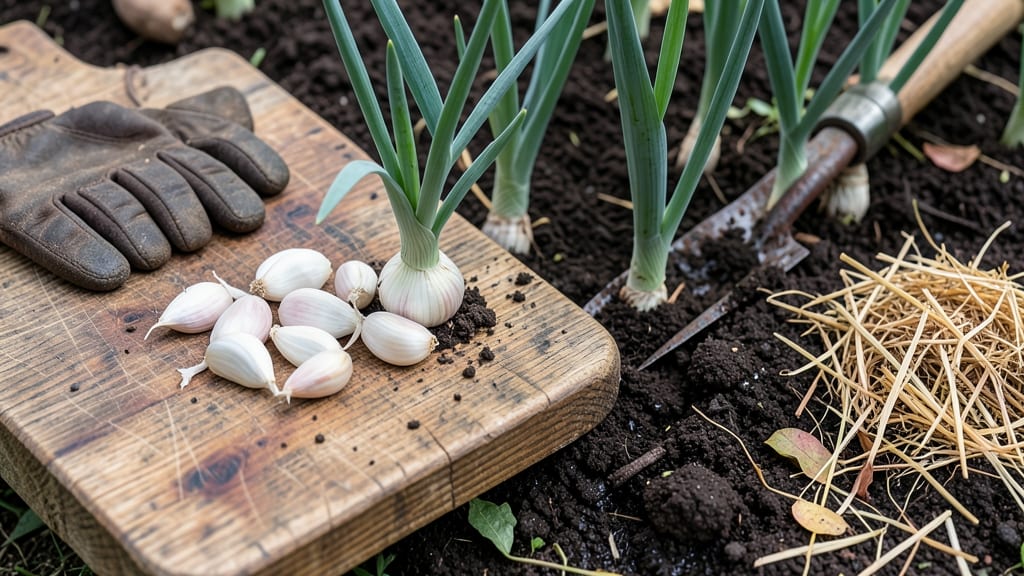
Planting garlic in Georgia at the wrong time could mean the difference between a bountiful harvest and wasted effort. The ideal window for planting 🧄 in Georgia’s 7b-8b zones is October through November—when soil temperatures dip but frost hasn’t yet arrived.
Skip this timing, and your garlic might bolt, rot, or never mature properly.
Why does timing matter so much? Georgia’s mild winters and unpredictable frosts demand precision. Plant too early, and your garlic may start growing before winter sets in, leaving it vulnerable to cold damage.
Too late, and the ground freezes before roots establish, stunting bulb development. The key is finding that sweet spot where the soil is cool but workable.
Hardneck and softneck varieties both thrive in Georgia, but they have slightly different needs. Hardneck garlic, prized for its bold flavor and scapes, needs a cold period to form bulbs, while softneck varieties are more forgiving.
I’ll break down the exact months for each type, plus soil prep tips to set your garlic up for success.
Ready to grow garlic that rivals what you’d find at the market? Let’s dive into the step-by-step guide for planting garlic in Georgia—so you can enjoy homegrown bulbs from April through May without the guesswork.
Best planting months for hardneck vs softneck garlic in Georgia
Georgia’s USDA zones 7b-8b create a perfect window for growing garlic, but the exact timing differs between hardneck and softneck varieties. Hardneck garlic thrives in cooler climates and needs a cold period to form bulbs, while softneck varieties are more adaptable to milder winters.
Let’s break down the optimal planting months for each type in Georgia’s diverse microclimates.
For hardneck garlic, the ideal planting window is between mid-October and early November. This timing ensures the bulbs receive enough chill hours (below 40°F) to develop properly before the ground freezes.
In cooler mountain regions (like North Georgia), you can plant as late as mid-November, but avoid planting after the first frost, which typically hits around mid-November in most areas.
Softneck garlic, on the other hand, is more forgiving and can be planted slightly later. The best months for softneck are late October through December.
Since softneck varieties don’t require as many chill hours, they can handle Georgia’s milder winters, especially in coastal areas like Savannah or Brunswick, where frost arrives later or not at all in some years.
Pro Tip: Use a soil thermometer to ensure the ground temperature is between 50°F and 60°F at planting time. This range promotes root growth without encouraging sprouting too early. If you plant in September, your garlic may bolt (sprout prematurely) before winter sets in, reducing bulb size.
Georgia’s microclimates play a huge role in timing. For example, North Georgia (USDA 7b) may see frost by late October, while South Georgia (USDA 8a-8b) might delay frost until December. Adjust your planting date accordingly—aim to plant 4-6 weeks before the first expected frost for both varieties.
| Variety | Optimal Planting Months | Chill Hours Needed | Best For Georgia Regions |
|---|---|---|---|
| Hardneck | Mid-October to early November | 300-500 hours below 40°F | North Georgia (cooler zones) |
| Softneck | Late October to December | 100-200 hours below 40°F | South Georgia (warmer zones) |
| Both | Avoid planting after first frost | N/A | All regions (adjust for local frost dates) |
If you miss the fall planting window, don’t despair—you can still grow garlic in Georgia by planting in early spring (February to early March). However, spring-planted garlic won’t develop large bulbs and is better suited for green garlic (harvesting scapes and young shoots).
For full-sized bulbs, stick to fall planting.
One common mistake in Georgia is planting garlic too early in September. While the weather may still be warm, the bulbs can sprout prematurely and become weak or diseased. Wait until October to give the soil time to cool and reduce the risk of bolting.
Additionally, avoid planting in waterlogged soil, which is common in Georgia’s rainy season, to prevent root rot.
For maximum yield, choose hardneck varieties like ‘Music’ or ‘German White’ for North Georgia, and softneck varieties like ‘Silverskin’ or ‘Artichoke’ for South Georgia. Hardneck garlic produces scape shoots in spring, which you can harvest for flavorful greens, while softneck varieties store longer and are ideal for braiding.
Remember, Georgia’s humid climate can lead to fungal issues like white rot or rust. Plant in well-draining soil and avoid overhead watering to keep your garlic healthy. With the right timing and care, you’ll enjoy a bold harvest of plump, flavorful bulbs by late spring!
How to time your garlic planting for Georgia’s unique climate challenges
Georgia’s variable frost dates and humid summers demand precise garlic planting timing. Unlike northern states, our USDA zones 7b-8b allow for a wider fall window—but don’t push it too late.
Coastal areas like Savannah can plant until mid-December, while mountain regions (e.g., Blue Ridge) must finish by early November to avoid winter kill. Even a light frost won’t harm established cloves, but deep freezes can damage tender shoots.
Start by checking your local first-frost date—aim to plant 4-6 weeks before the average frost. For most of Georgia, this means October 15 to November 15. Use a soil thermometer to confirm temperatures are below 70°F (ideal for root growth).
Pro tip: Hardneck varieties (like ‘Music’ or ‘German White’) need cold vernalization to form bulbs, while softneck types (like ‘Silverskin’) are more frost-tolerant but still benefit from early planting.
🌱 Did You Know? Georgia’s humidity levels (often 60-80%) create ideal conditions for garlic—but also increase fungal risks. Mulching with straw or leaves (3-4 inches deep) insulates roots from temperature swings and reduces moisture loss. For extra protection in Zone 8b (e.g., Atlanta), add a light row cover in late winter to shield emerging shoots from late frosts.
📌 Georgia Garlic Planting Timeline
- 📅 October 1-15: Plant hardneck garlic in north Georgia (Zones 7a-7b)—soil temps drop below 70°F.
- 📅 October 15-November 1: Ideal window for central/south Georgia (Zones 7b-8a)—balance cold exposure and frost risk.
- 📅 November 1-15: Last chance for coastal areas (Zone 8b)—plant before first hard frost (usually Nov 20-30).
- ❄️ December 1-15: Emergency planting only in Zone 8b—use row covers to protect from freezing temps.
- 🌱 February-March: Remove mulch to prevent rot—garlic needs consistent moisture but good airflow.
- 🌿 April-May: Harvest when lower leaves brown but upper leaves stay green—typically 270 days after planting.
Georgia’s unpredictable spring weather can throw off harvest timing. If late frosts hit in March (common in the Piedmont), delay planting until late October to ensure bulbs mature before summer heat.
For year-round harvests, try a spring-planted softneck variety—plant in February for a summer harvest, though yields will be smaller than fall-planted garlic.
Extend your harvest window by succession planting: Sow half your cloves in October and the other half in November. This staggered approach ensures continuous harvests from April to June.
In Zone 8b, you can even plant a small batch in December under row covers for an early spring harvest—just be prepared to water less during winter’s dry spells.
Don’t overlook moon planting phases—a rooting crescent moon (7 days after new moon) is ideal for garlic. Pair this with well-draining soil (amend with compost if your soil is clay-heavy) and full sun exposure (6+ hours daily).
With these adjustments, you’ll outsmart Georgia’s climate and enjoy bold, flavorful bulbs year after year.