
Plants
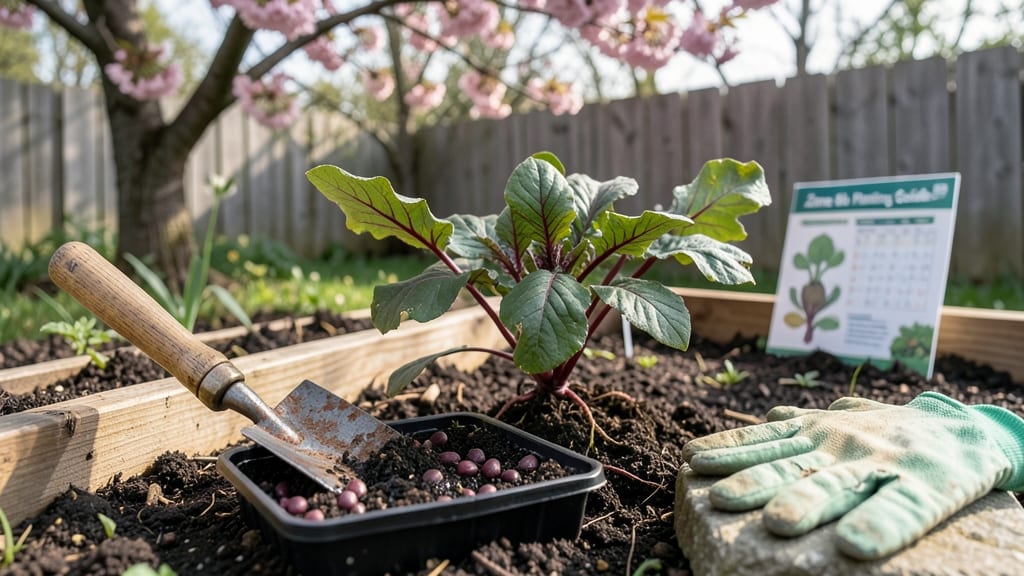
Planting beets at the wrong time in Zone 8b can turn your crisp, sweet harvests into bitter, bolted greens—something no gardener wants! The key to growing perfect 🍠 beets lies in understanding the exact months when soil temperatures and daylight align for success.
In Zone 8b, where summers stretch long and hot, timing matters more than you might think. Beets thrive in cooler weather, so planting too late in spring or too early in fall can trigger bolting—the plant’s way of going to seed before you get those tender roots.
But with the right schedule, you can enjoy fresh beets from spring through fall.
I’ve tested the best planting windows over the years, and the results speak for themselves: early spring (late February to early April) and late summer (August to September) are your golden opportunities. These windows avoid the heat stress that turns beets woody or tough, ensuring a steady supply of harvests.
Ready to grow beets that stay sweet and crisp? Let’s break down the precise months, soil prep tips, and even how to stretch your harvest season with succession planting—so you can enjoy homegrown beets all year round.
Optimal planting windows for beets in Zone 8b to avoid bolting
In Zone 8b, where summers stretch long and hot, timing your beet plantings precisely is the key to avoiding bitter, bolted greens. Beets thrive in cooler weather and struggle when temperatures exceed 80°F (27°C).
My strategy? Plant them during two distinct windows: late winter to early spring and late summer to early fall. This dual approach ensures you’ll harvest tender roots before the heat sets in.
For spring plantings, aim to sow seeds 6-8 weeks before your last frost date. In Zone 8b, that’s typically late February to early April. This timing lets beets mature before summer’s peak heat arrives.
If you wait too late, your plants may bolt—producing flowers and tough roots instead of the sweet, crisp harvest you want.
Now, let’s talk about the comparison table that breaks down these windows with exact details:
| Planting Window | Ideal Months | Soil Temperature | Key Considerations |
|---|---|---|---|
| Spring Planting | Late February - Early April | 50-65°F (10-18°C) | Avoid bolting by harvesting before 80°F (27°C) heat. |
| Fall Planting | August - September | 60-75°F (15-24°C) | Plant early enough for roots to mature before first frost (Nov 15). |
| Succession Planting | March, April, August, September | 50-70°F (10-21°C) | Sow every 2-3 weeks for continuous harvests. |
For fall plantings, shift your focus to August through September. This window lets beets develop before Zone 8b’s first frost (around November 15).
Start with seeds that mature in 50-60 days, like ‘Detroit Dark Red’ or ‘Golden,’ to ensure they’re ready for harvest before cold sets in.
If you’re wondering about overwintering beets, it’s possible—but risky in Zone 8b. Beets can handle light frosts, but prolonged cold snaps or freezing soil may damage roots. My advice? Focus on fall plantings that mature before winter arrives, or use row covers to extend the season slightly.
One common mistake I see is planting beets too early in spring, when soil temperatures are still cool. Beets germinate best in soil that’s at least 50°F (10°C). If you plant too soon, seeds may rot in cold, wet soil.
To test soil temperature, use a soil thermometer or wait until March when daytime temps consistently stay above 55°F (13°C).
Pro tip: Use shade cloth (30-50%) during summer’s peak heat to protect young seedlings. This simple trick can buy you extra time to transplant or mature beets before bolting. Pair it with daily watering in the morning to keep soil evenly moist—never soggy.
Finally, remember that succession planting is your best friend in Zone 8b. Instead of one big planting, sow seeds every 2-3 weeks in spring and fall. This staggered approach ensures a steady supply of fresh beets and minimizes the risk of bolting from heat stress.
Optimal planting windows for beets in Zone 8b to avoid bolting
Zone 8b’s mild winters and hot summers create a unique challenge for growing beets—plant too early, and they’ll bolt from heat stress; too late, and they won’t mature before summer’s intensity. The sweet spot lies in two distinct windows: late winter/early spring and mid-to-late summer.
These timings align with soil temperatures below 85°F, which beets crave to stay tender and sweet.
For spring plantings, aim to sow seeds 4-6 weeks before your last frost date (typically late February to early April in Zone 8b). This gives roots time to establish before soil heats up.
My go-to method is starting seeds indoors in January for transplants, but direct sowing works too if you use row covers to protect young seedlings.
Bolting risk spikes when daytime temps exceed 75°F for extended periods. To mitigate this, I always plant fall beets between mid-August and early September. This ensures harvests occur before October’s cooling trend, when roots can mature without the stress of summer’s peak heat.
| Planting Window | Ideal Months | Soil Temp Threshold | Harvest Window | Key Tip |
|---|---|---|---|---|
| Spring Planting | Late February–Early April | 50–70°F | May–June | Use row covers if frost lingers. |
| Fall Planting | Mid-August–Early September | Below 85°F | October–November | Choose heat-tolerant varieties like ‘Detroit Dark Red’. |
Pro tip: Adjust timing based on your beet variety. Early maturing types (e.g., ‘Babybeat’) can handle slightly later plantings, while heirloom varieties (e.g., ‘Chioggia’) need the cooler windows. I’ve found that succession planting every 2 weeks in spring and fall keeps a steady supply without overcrowding.
Watch for heat stress signs like yellowing leaves or premature flowering—these mean it’s time to harvest or replant. In my garden, I’ve learned that morning watering (before 9 AM) and shade cloth during peak summer can buy you an extra 2-3 weeks of growth before bolting takes over.
Remember: Zone 8b’s long growing season is your advantage. By mastering these two windows, you’ll enjoy harvests in both spring and fall, avoiding the summer slump entirely. Start with one window, then expand—your taste buds (and your garden) will thank you!