
Companion Plants
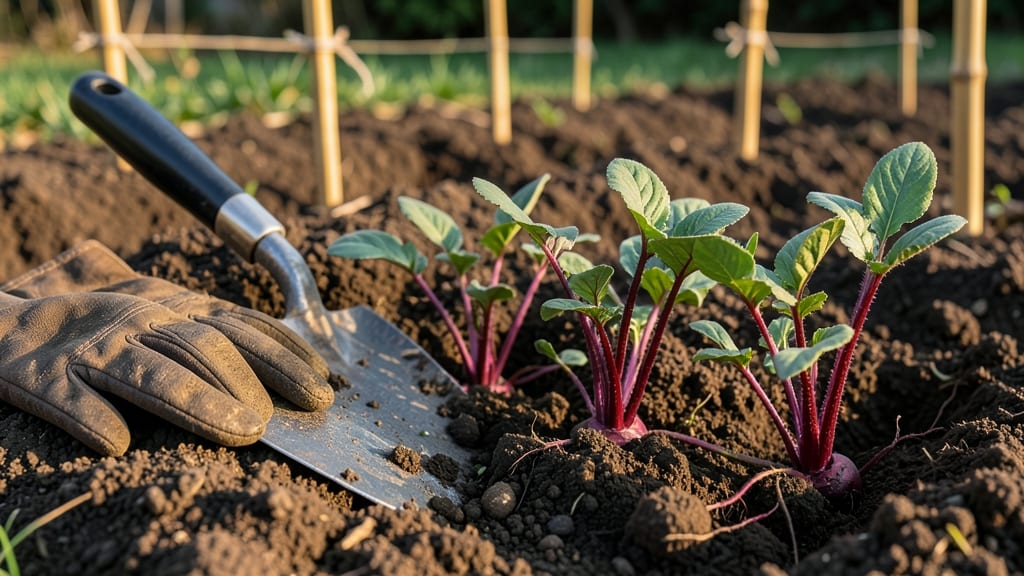
If you're growing fall beets in Zone 7, when to plant them is the difference between sweet, tender roots and bitter disappointment. Planting too early risks bolting, while waiting too long means frost ruins your harvest before the roots mature.
The key is knowing exactly when to sow for a perfect late-season crop.
For Zone 7 gardeners, the ideal window starts 8-10 weeks before your first frost date—typically mid-to-late summer. This gives your 🍠 beets enough time to develop sweet, flavorful roots before winter sets in.
Unlike spring plantings, fall beets actually benefit from cooler temperatures, producing sweeter roots when grown in shorter daylight.
But here's the catch: not all varieties thrive in the same way. Some, like 'Detroit Dark Red,' mature faster and are better for early fall harvests, while others like 'Golden' can handle cooler temps longer.
I'll break down the exact weeks to plant, how to adjust for your local frost date, and which varieties work best in Zone 7's climate.
Ready to grow beets that taste like they came from a farmers' market? Let's dive into the science-backed schedule that guarantees a bountiful fall harvest—no guesswork required.
Best fall planting weeks for beets in Zone 7 (with frost deadline)
Fall beets thrive in Zone 7 when planted at the right time—typically 8-10 weeks before the first frost. For most of Zone 7, this means aiming for mid-August to early September, but your exact deadline depends on your local frost date.
In Zone 7a, the first frost often arrives around October 25-30, while Zone 7b may see frost slightly later, near November 5-10.
Beets need cool soil temperatures (50-75°F) to germinate well, but they’ll grow best when days start cooling. Planting too early in July or August can lead to bolting (premature flowering), while planting too late risks small, tough roots before frost.
The sweet spot? Mid-to-late summer for a harvest just before winter sets in.
| Planting Window | Zone 7a Deadline | Zone 7b Deadline | Soil Temp for Germination | Days to Harvest |
|---|---|---|---|---|
| Mid-August | October 25-30 | November 5-10 | 50-75°F | 50-60 days |
| Late August | October 15-20 | October 30-Nov 5 | 50-75°F | 60-70 days |
| Early September | October 5-10 | October 20-25 | 45-65°F | 70-80 days |
🌱 Note: Adjust for early/late frosts by checking your local USDA frost calendar.
To calculate your exact planting window, subtract 8 weeks from your average first frost date. For example, if frost hits October 20, plant by August 15. Use a soil thermometer to confirm temperatures are ideal—beets germinate best in 50-75°F soil.
If your soil runs hotter, wait until evening temps drop below 80°F to sow seeds.
Pro tip: Succession plant every 2 weeks in late summer for a staggered harvest. This ensures you’re always pulling fresh, tender beets before hard frost. Varieties like 'Detroit Dark Red' or 'Golden' are excellent choices for fall planting—they mature quickly and handle cooler temps well.
If you’re unsure about your frost date, check the National Weather Service or your local cooperative extension office for historical data. Even a 1-week delay can mean the difference between perfectly sweet roots and woody, bitter beets. Don’t gamble with your harvest—plan ahead!
Once planted, beets need consistent moisture and full sun to grow well. Thin seedlings to 2-3 inches apart to prevent competition, and mulch with straw or leaves to protect roots from temperature swings. With the right timing, you’ll enjoy homegrown beets straight from your garden until December!
For extra insurance, consider using frost blankets if a late frost threatens. These lightweight covers can extend your harvest by 2-3 weeks, giving you more time to enjoy your sweet, homegrown beets before winter fully arrives. 🌿
How to adjust planting for early vs late fall harvests in Zone 7
Fall beets in Zone 7 offer two distinct harvest windows—each with unique rewards. Early planting yields smaller, sweeter roots perfect for quick cooking, while late planting produces larger, meatier beets that store well. The key is matching your variety choice and planting schedule to your harvest goals.
For an early fall harvest (September-October), start seeds in late July. This gives you tender, 1-2 inch roots before cooler weather sets in. Varieties like 'Babybeat' or 'Golden' thrive in this short window and resist bolting better than larger types.
If you prefer late fall harvests (November), plant seeds in early to mid-August. These beets grow larger—2-3 inches in diameter—and develop deeper flavors from cooler nights. 'Detroit Dark Red' or 'Chioggia' handle the extended growing season well.
| Harvest Window | Planting Time | Best Varieties | Root Size | Flavor Profile |
|---|---|---|---|---|
| Early Fall (Sept-Oct) | Late July | Babybeat, Golden | 1-2 inches | Sweet, tender |
| Late Fall (Nov) | Early-Mid Aug | Detroit Dark Red, Chioggia | 2-3 inches | Earthy, rich |
Succession planting works wonders for Zone 7 fall beets. Sow a second batch 4-6 weeks after your first planting to extend your harvest. For example, if your first batch goes in late July, add a second in early August for a staggered harvest through October.
Remember, soil temperature is critical. Beets germinate best when soil is between 50-70°F. In Zone 7, August soils often still meet this threshold, but September plantings may struggle unless you use row covers or a cold frame to maintain warmth.
Pro tip: If you're aiming for a late fall harvest, prioritize well-draining soil to prevent rot from fall rains. Amend with compost before planting to give roots the nutrients they need to bulk up before frost.