
Companion Plants
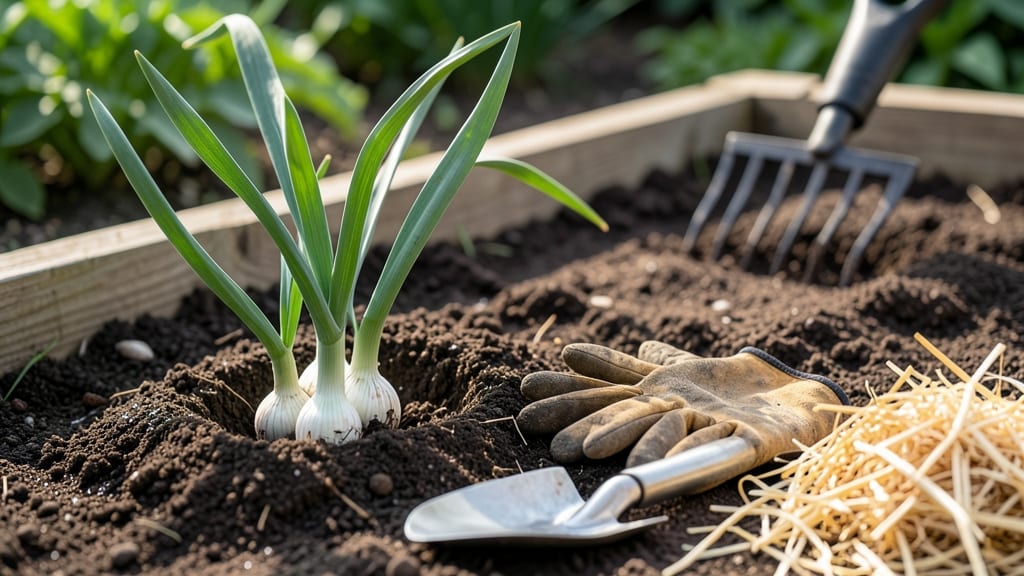
Planting garlic in Western NC at the wrong time means sacrificing bold, flavorful bulbs—or worse, no harvest at all.
The key to growing hardneck 🧄 varieties in USDA Zones 6b-7a lies in a narrow 6-week window between mid-October and early November, when soil temps dip but frost hasn’t set in yet.
Why does timing matter so much? Because garlic needs cold winters to form strong bulbs, but it also hates soggy soil or early freezes. In Western NC’s climate, planting too early risks rot, while waiting too long stunts growth.
I’ll break down the exact dates for Asheville, Boone, and surrounding areas—plus how to prep your soil for maximum success.
You’ll learn how to check soil temperatures, adjust for elevation differences, and even use moon phases as a natural guide. Whether you’re a first-time gardener or a seasoned grower, these actionable tips will help you avoid common mistakes and grow garlic that rivals store-bought in flavor—and size.
Ready to turn your fall garden into next summer’s harvest? Let’s dive into the perfect planting schedule for Western NC’s unique growing conditions—and set yourself up for a plentiful garlic harvest by July.
Western NC garlic planting deadline: exact fall dates for hardneck varieties
Timing is everything when planting hardneck garlic in Western NC’s Zone 7a-7b climate. The ideal window is a 6-week period from mid-October to early November, allowing cloves to establish roots before winter dormancy. Planting too early risks rot in wet soil, while waiting too late can stunt bulb development.
For Asheville and surrounding areas, aim to plant by November 1st—this gives garlic enough time to root before the ground freezes. In higher elevations like Boone, where frost arrives earlier, shift your planting to late September to mid-October to avoid missed deadlines.
Soil temperature is your best guide: plant when it drops to 40-50°F. Use a soil thermometer to monitor—this usually aligns with late October in most of Western NC. Cold soil helps prevent early sprouting, which weakens bulbs.
Hardneck varieties like Purple Stripe and Rocambole thrive in these conditions, producing larger bulbs with flavorful scapes. Softneck varieties, while possible, struggle in Western NC’s colder winters and are better suited for milder climates.
Pro tip: mark your calendar for October 15th as your absolute latest planting date. After this, garlic may not fully mature before next summer’s harvest window (late June to early July).
| Region | Ideal Planting Window | Soil Temp Threshold | Last Frost Date |
|---|---|---|---|
| Asheville (Zone 7a) | Mid-October to November 1 | 40-50°F | Mid-November |
| Boone (Zone 6b) | Late September to October 15 | 45-55°F | Early November |
| Hendersonville (Zone 7b) | October 1-15 | 40-50°F | Mid-November |
🌱 Note: Adjust for elevation—higher areas (e.g., Mount Mitchell) plant 2-3 weeks earlier.
Missed the fall window? Spring planting is possible but yields smaller bulbs. If you must plant in spring, do so by March 1st—any later, and garlic won’t mature before summer’s heat sets in. Spring-planted garlic also lacks the hardneck flavor and scapes of fall-planted varieties.
For beginner gardeners, consider using a moon planting guide to align with the rooting phase (new moon to first quarter). This can improve germination rates in Western NC’s variable fall weather. Just don’t rely on it exclusively—soil conditions matter more!
After planting, mulch with 4-6 inches of straw to insulate bulbs through winter. This protects against freeze-thaw cycles and keeps soil temperatures stable. Remove mulch in early spring to prevent rot from excess moisture.
Remember: hardneck garlic needs cold winters to form bulbs. Western NC’s climate delivers this perfectly—just get those cloves in the ground on time! For extra peace of mind, plant a test row in early October to gauge your local conditions.
How to prepare your soil and choose the right garlic varieties for Western NC
Western NC’s cool mountain climate thrives with the right garlic varieties and well-prepared soil. Unlike softer climates, hardneck garlic—like Rocambole or Purple Stripe—performs best here. These varieties produce bold-flavored bulbs and shoot scapes for extra harvests. But first, let’s get your soil ready for planting.
Start by testing your soil pH—garlic prefers a range of 6.0 to 7.0. If your soil is too acidic or alkaline, amend it with lime or sulfur before planting.
Western NC’s clay-heavy soils often need extra organic matter, like compost or well-rotted manure, to improve drainage and fertility.
| Soil Prep Task | Action | Timing |
|---|---|---|
| Test pH | Use a soil test kit (aim for 6.0-7.0) | 4-6 weeks before planting |
| Add compost | Mix in 2-3 inches of compost or aged manure | Early fall |
| Loosen soil | Dig to 12 inches deep for root growth | 2 weeks before planting |
| Fertilize lightly | Apply 5-10-10 fertilizer (1 cup per 10 ft) | At planting |
For Western NC’s elevation variations, adjust planting depth slightly. In higher-altitude areas like Boone, plant cloves 2 inches deep to protect against harsh winters. In lower elevations like Hendersonville, a depth of 1.5 inches works well.
Space cloves 4-6 inches apart in rows 12 inches apart to allow airflow and reduce disease risk.
When selecting varieties, prioritize hardneck garlic—it’s better suited for Western NC’s cold winters. Rocambole offers a mild, nutty flavor and thrives in Zone 7a. Purple Stripe is a crowd-pleaser with a bold, spicy kick, while Artichoke garlic has a delicate, sweet taste.
Avoid softneck varieties; they struggle in our freeze-thaw cycles.
After planting, mulch with straw or leaves to insulate cloves through winter. This 3-inch layer prevents soil heaving and keeps roots consistently moist. Remove mulch in early spring to allow soil to warm and encourage sprouting.
Pro tip: Plant companion crops like basil or marigolds nearby to deter pests. These plants repel garlic moths and aphids while adding beauty to your garden. Just avoid planting near beans or peas, which compete for nutrients.
With the right soil prep and variety selection, your Western NC garlic patch will reward you with plump, flavorful bulbs ready for harvest next summer. 🌱