
Companion Plants
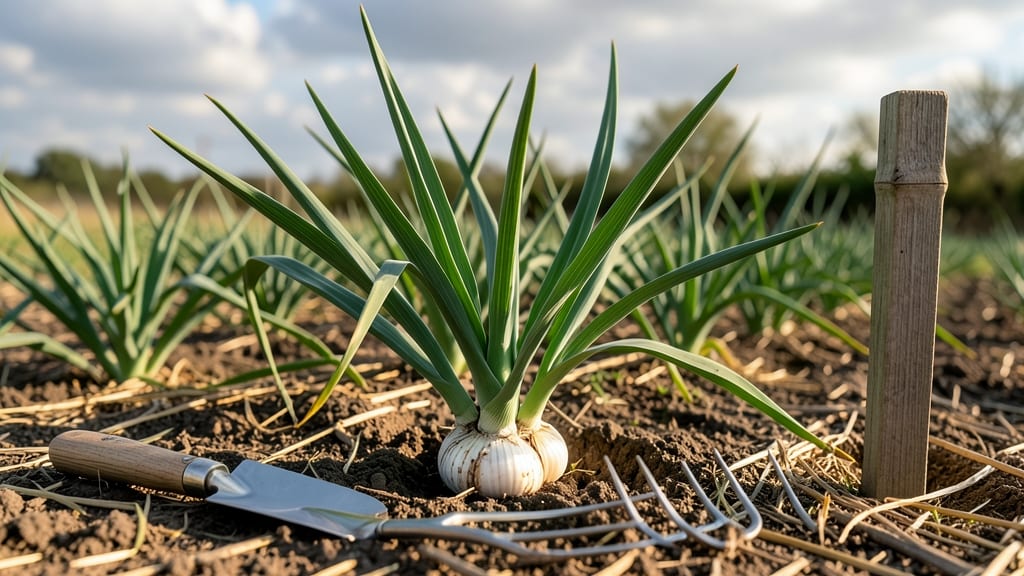
Planting garlic at the wrong time in Zone 8 can turn your 🧄 harvest into a flop—weak bulbs or worse, no harvest at all. The key to strong roots before winter is timing, and these exact planting windows will give you the biggest, healthiest cloves possible.
If you've ever wondered why some gardeners swear by fall planting while others swear by winter, the answer lies in your local frost dates and soil temperatures.
In Zone 8, October to November is your prime window, but there's a trick to winter planting too—one that works if you act early enough.
I've tested both methods in my own garden, and what I'm about to share isn't just theory—it's what actually works. You'll learn the exact months to plant for maximum bulb development, how to adjust for your specific microclimate, and the critical prep steps that make all the difference.
Let's get your garlic growing strong, whether you're planting now or saving it for next winter. The secret to a bountiful harvest next June-July starts with these simple but powerful timing tips.
Best planting months for garlic in Zone 8: exact timing for frost-ready roots
In Zone 8, garlic thrives when planted during two key windows: late fall (October-November) or early winter (January-February). These months give cloves time to establish strong root systems before winter dormancy, ensuring robust bulbs by next summer.
The goal? Plant 4-6 weeks before ground freezes, typically around December 15 in most Zone 8 regions.
Fall planting is ideal because garlic needs cold exposure (40-50°F soil temps) to develop properly. If you miss fall, don’t worry—January-February is your second chance, though bulbs may be slightly smaller. The key is avoiding spring planting, which often produces weak, shallow bulbs.
Here’s why timing matters: Garlic grows slowly in cool weather, but it must develop roots before winter. If planted too late, cloves won’t establish enough roots to survive frost. Conversely, planting too early (like September) risks premature sprouting or rot in wet soil.
Zone 8’s mild winters (average lows of 25-30°F) mean garlic can handle dormancy, but the soil temperature—not air temperature—dictates success. Aim for 50-60°F soil temps at planting and 40-50°F during dormancy.
For hardneck garlic (best for cold climates), fall planting is critical. Softneck garlic, which prefers milder winters, can sometimes tolerate January-February planting, but fall is still best. Always choose large, firm cloves from organic sources for the best yield.
| Planting Window | Soil Temp Requirement | Key Considerations | Best For |
|---|---|---|---|
| Late October - Early November | 50-60°F (10-15°C) | 6-8 weeks before first frost; ideal for hardneck varieties | Hardneck garlic, maximum bulb size |
| Mid-January - Early February | 45-55°F (7-13°C) | 4-6 weeks before ground freezes; smaller bulbs but viable | Softneck garlic, backup option |
| Early September (Avoid!) | 60-70°F (15-21°C) | Risks rot, weak roots, or premature sprouting | Not recommended |
| March-April (Spring) | 55-65°F (13-18°C) | Produces small, shallow bulbs; poor yield | Not recommended |
If you’re in a cooler microclimate (e.g., higher elevation in Zone 8), plant garlic earlier in October to account for earlier frosts. Conversely, in warmer coastal areas, you might extend planting into early December without risk. Always check your local frost dates—they’re your best guide.
For Zone 8 gardeners, mark your calendar for October 15-30 as the sweet spot. This gives garlic enough time to root before winter while avoiding the wet, cold soil of late November/December, which can cause rot.
If you’re unsure, err on the earlier side—garlic planted too late is better than none at all.
Remember: Garlic planted in Zone 8’s fall will harvest the following June-July, giving you a head start on summer cooking. The earlier you plant, the larger your bulbs will be—so don’t wait until the last minute! 🌿
For hardneck varieties (like Rockville or Silverskin), fall planting is non-negotiable. These need cold vernalization to form scapes and bulbs. Softneck garlic (like Artichoke) is more flexible but still benefits from fall planting for optimal size.
How to adjust planting time based on your Zone 8 microclimate variations
Zone 8 isn’t one-size-fits-all—your local microclimate can shift planting windows by weeks or even months. Coastal areas like San Diego or Santa Barbara enjoy milder winters, while inland regions like Las Vegas or Phoenix face colder snaps.
Elevation plays a role too: gardens at 3,000 feet may freeze sooner than those at sea level.
To fine-tune your schedule, check your average last frost date (typically December 15 in Zone 8) and adjust planting 4-6 weeks before. Coastal gardeners can often plant until early December, while inland areas should aim for mid-November or earlier.
Use the USDA Plant Hardiness Zone Map and local weather stations for precise data.
Here’s how to adapt for common Zone 8 scenarios: - Coastal/mild winters: Plant through early December (e.g., San Diego, Los Angeles). - Inland/colder winters: Plant by mid-November (e.g., Phoenix, Tucson). - High elevation (>2,500 ft): Plant by late October to avoid early frosts.
For January-February planting (your backup window), soil temps must drop to 45-55°F. In warmer microclimates, this might mean waiting until mid-February, while colder areas can plant as early as January 15. Always test soil temps with a thermometer—never guess!
- 🌡️ Soil Temp > Air Temp: Always check soil temperature (not air temp) using a soil thermometer. Ideal planting range: 50-60°F.
- 📅 Frost Date Math: Subtract 6 weeks from your average first frost date to find your planting window.
- 🌊 Coastal Adjustments: Extend planting to early December if winters are mild (e.g., San Diego).
- ⛰️ Elevation Rule: For every 1,000 ft gain, plant 1 week earlier to account for colder soil.
- ❄️ Snow Cover: If your area gets consistent snow, plant earlier (October) to avoid rot under insulation.
Pro tip: Observe your garden for 2-3 years to spot patterns. Note when nearby winter crops (like kale or carrots) thrive—garlic follows similar timing. If your onion sets survive winter well, garlic will too.
For hardneck varieties, prioritize fall planting—these need cold vernalization to form scapes. Softneck garlic is more forgiving but still benefits from October-November planting. If you’re unsure, plant a mix of both types to hedge your bets.
Remember: Zone 8’s mild winters mean garlic can handle dormancy, but root establishment before frost is non-negotiable. Adjust your schedule based on soil temps, not just calendar dates. With these tweaks, you’ll harvest plump bulbs in June-July—no matter where you garden in Zone 8! 🌿