
Companion Plants
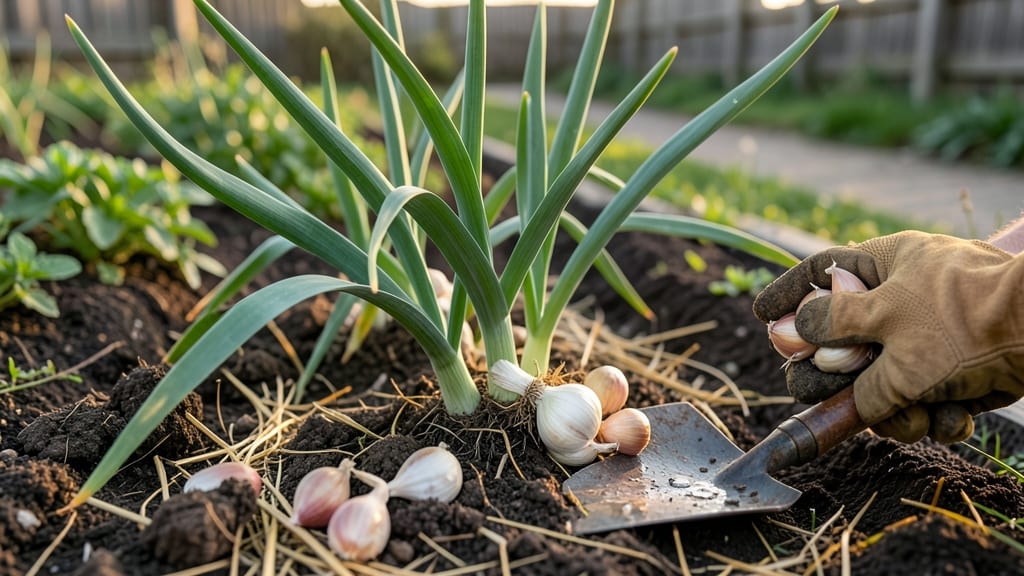
Planting garlic in Tucson isn't just about dropping cloves into the dirt—it's about timing your 🧄 harvest for the desert's tricky balance of heat and frost. Get the schedule wrong, and your hardneck varieties might bolt early or your softnecks could turn bitter from Arizona's unpredictable swings.
The secret lies in those 6-week windows before our rare frosts, when soil temps hover just right for root establishment.
Most Tucson gardeners swear by fall planting between October and November, when daytime warmth gives way to cooler nights—perfect for garlic's dormancy needs. But here's the catch: higher elevations like the Santa Catalinas can push that window later, while low desert areas might need an early January start.
I've seen softneck garlic thrive when planted in January-February, too, if you're willing to experiment with shade cloth.
What makes Tucson's garlic growing unique is how we work with—not against—the climate. Unlike cooler zones, we don't need to chill our cloves (though pre-chilling hardnecks helps). Instead, we focus on soil prep and mulching to retain that precious moisture during our dry winters.
The key? Planting when soil temps hit 50-60°F, which in Tucson typically means late October for most varieties.
Ready to grow plump bulbs that rival commercial stores? I'll walk you through exactly when to plant each variety, how to adjust for your specific microclimate, and the 3 signs your timing might be off. Let's get those cloves in the ground at the perfect moment for Tucson's desert harvests.
Tucson’s ideal garlic planting calendar: hardneck vs softneck months explained
Tucson’s USDA Zone 9b climate creates a unique challenge for garlic growers—balancing cool winter months with intense desert heat. Unlike northern climates, Tucson’s garlic thrives when planted during two distinct windows: fall (for hardneck varieties) and winter (for softneck).
Missing these windows risks poor bulb formation or premature bolting from spring heat.
The key to success lies in understanding your garlic’s chilling requirements. Hardneck varieties need 4-6 weeks of cold temperatures (below 50°F) to form bulbs, while softneck types are more flexible. In Tucson, this translates to planting hardneck garlic in October-November and softneck garlic in January-February for optimal results.
Elevation plays a critical role too. Gardens above 3,000 feet (like Catalina Foothills) experience cooler microclimates, allowing a 2-week earlier planting than low-desert areas. Always adjust your schedule based on your specific elevation and local frost patterns—even rare Tucson frosts can impact timing.
Soil preparation is equally crucial. Tucson’s sandy loam soils drain too quickly for garlic, so amend with 2-3 inches of compost and a 1-inch layer of organic mulch.
Aim for a pH between 6.0-7.0—garlic hates alkaline desert soils. Test your soil before planting to avoid common Tucson pitfalls like nutrient leaching.
Here’s how Tucson’s two garlic types compare in their ideal planting windows:
| Garlic Type | Optimal Planting Window | Chilling Requirement | Harvest Window | Tucson-Specific Note |
|---|---|---|---|---|
| Hardneck | October 15 - November 15 | 4-6 weeks below 50°F | April - May | Plant before first frost (rare but possible) |
| Softneck | January 15 - February 15 | Minimal chilling (2-4 weeks) | May - June | Better for low-desert areas with milder winters |
Why does timing matter so much? Garlic bulbs form during cool weather, but they need warm spring temperatures to mature. Plant too early in Tucson, and your garlic may bolt prematurely from spring heat.
Plant too late, and bulbs won’t develop properly before summer’s intensity. The 60-day rule applies: count back 60 days from your average last frost date (January 15 in Tucson) to determine your planting window.
Pro tip: Use shade cloth (30-50%) during Tucson’s 100°F+ days to protect garlic from heat stress. This simple trick can extend your harvest window by 2-3 weeks while maintaining bulb quality. Pair this with drip irrigation to keep soil consistently moist without wasting water—critical in Tucson’s dry climate.
For elevated Tucson gardens, consider a split planting strategy: plant half your hardneck garlic in October and the other half in early November. This staggered approach ensures you’ll have garlic ready for harvest at different times, maximizing your kitchen supply.
Just remember: never plant garlic in summer—the heat will turn your cloves to mush before they even sprout.
Finally, mark your calendar for Tucson’s garlic harvest festival in May—it’s the perfect time to celebrate your precise planting timing with local growers. Their secrets? Patience, soil prep, and perfect timing—just like your home garden should have.
5 Critical signs your Tucson garlic planting timing is wrong (and how to fix it)
Even with Tucson's perfect fall planting window, garlic can still send red flags if your timing's slightly off. The first clue? Slow germination—when sprouts take longer than 2-3 weeks to appear after planting.
This usually means your soil was too warm (above 65°F) when you planted, or cloves weren't properly pre-chilled (for hardnecks). I've seen this happen when gardeners plant too early in September before temperatures drop.
Another dead giveaway is yellowing leaves that appear within weeks of planting. This isn't the normal browning before harvest—it's a sign of overwatering or poor drainage from Tucson's heavy clay soils.
Check if water pools around your garlic beds; desert soils need amendments like compost to prevent this. The fix? Reduce watering to once every 10-14 days once established.
Premature bolting—when garlic sends up a tall flower stalk—is Tucson's most frustrating timing mistake. This happens when planted too early (before October 15th) and exposed to warm winter temperatures. Hardnecks bolt naturally, but softnecks should never flower. If you see this, your garlic will produce small, pungent bulbs instead of plump harvests. The solution? Plant later in November or use shade cloth to cool the soil.
Here's a checklist to verify your timing's correct: ☑️ Soil temp between 50-60°F at planting ☑️ 2-3 inches of mulch to retain moisture ☑️ Full sun exposure (6+ hours daily) ☑️ Well-draining soil (amend with compost if needed) ☑️ Cloves planted pointy-end up, 2 inches deep
One often-overlooked sign is stunted growth where plants stay under 6 inches tall for months. This typically means planting too late (after December 15th) when days start lengthening.
Tucson's 10-hour daylight in spring triggers rapid growth—if your garlic misses this window, it won't bulk up properly. The fix? Stagger plantings in October and January for continuous harvests.
Finally, watch for white mold (fungus) in crowded beds—a sign of poor air circulation from planting too densely. Tucson's humidity spikes in late winter, creating perfect conditions for this disease. Space cloves 4-6 inches apart and avoid overhead watering to prevent this.
Remember: Tucson's microclimates vary wildly. If you're in higher elevations (like 3,000+ feet), push planting to November. In low desert areas, October planting works best. The key is matching your timing to your specific soil temperature and daylight hours—not just the calendar month. 🌱