
Companion Plants
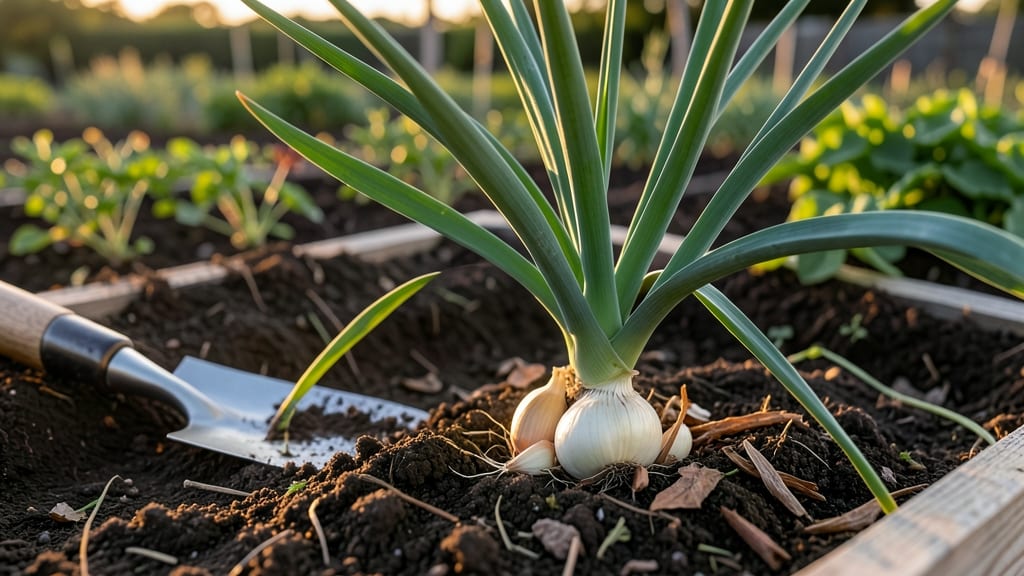
Planting garlic in West Virginia at the wrong time can mean the difference between a bumper crop of bold, flavorful bulbs and a sad patch of frozen sprouts.
The ideal window—October to November—lets this hardy plant establish roots before winter’s chill sets in, but get it wrong, and you’ll be left with nothing but disappointment.
I’ve learned the hard way that West Virginia’s Zone 6a climate demands precision. Too early, and garlic cloves rot in damp soil; too late, and they won’t mature before summer heat. The key is planting when soil temps hit 40–50°F, giving roots time to anchor before the first frost.
For hardneck varieties (the best for WV winters), this means acting fast—usually by mid-October.
Don’t worry if you’re new to garlic growing—this guide breaks down exactly when to plant, how deep, and what to watch for. We’ll cover soil prep, frost tricks, and even where to find WVU Extension-approved varieties that thrive in your backyard.
Let’s get those 🧄 cloves in the ground the right way.
Whether you’re a seasoned gardener or a curious beginner, timing is everything. By the end, you’ll know not just when to plant, but how to set yourself up for a harvest that’ll make your kitchen—and your neighbors—jealous.
Optimal West Virginia garlic planting dates by variety (hardneck vs softneck)
Planting garlic in West Virginia requires precision—especially when choosing between hardneck and softneck varieties. Hardnecks thrive in WV’s cold winters, while softnecks prefer milder conditions. The key is timing: aim for 4-6 weeks before the first hard frost, typically between October 1st and November 15th.
In USDA Zones 5-7, garlic needs soil temperatures between 40-50°F to sprout. Check your local first frost date (usually mid-October in WV) and count backward. For example, if frost hits October 15th, plant by September 15th to give roots time to establish.
Hardneck varieties like ‘Music’ or ‘German White’ are ideal for WV’s winters, producing scape shoots in spring. Softnecks like ‘Artichoke’ or ‘Silverskin’ store longer but need warmer winters. Both types benefit from well-draining soil and full sun (6+ hours daily).
| Variety Type | Best Planting Window (WV) | Soil Temp Threshold | Key Feature |
|---|---|---|---|
| Hardneck | October 1–November 15 | 40–50°F | Cold-hardy, produces scapes |
| Softneck | October 15–November 30 | 45–55°F | Stores longer, milder winters |
| Both Types | September 15 (late backup) | 50–60°F (risky) | Use cloches for frost protection |
*Adjust dates 1–2 weeks earlier in northern WV (Zone 5) or later in southern WV (Zone 7).
For northern WV (e.g., Morgantown, Zone 5), plant by October 1st to avoid early freezes. In southern WV (e.g., Charleston, Zone 7), you can extend planting until November 15th. Use a soil thermometer to confirm temperatures—garlic cloves won’t sprout in cold soil.
Pro tip: Break apart garlic bulbs into individual cloves and plant them 2 inches deep, 4–6 inches apart, with 8 inches between rows.
Space hardnecks slightly wider (6 inches apart) to accommodate their larger bulbs. Mulch heavily with straw or leaves after planting to insulate roots through winter.
If you miss the fall window, you can try a late planting in January for a smaller harvest, but growth will be slower. Always prioritize fall planting for the best yields in WV’s climate. Check the WVU Extension’s frost calendar for real-time updates.
Remember: Garlic needs 6–8 months to mature. Planting too late risks small bulbs or no harvest at all. Start early, and your West Virginia garlic will reward you with bold, flavorful bulbs by July or August.
For extra protection, consider row covers or low tunnels if frost threatens early. These tools can extend your planting window by 2–3 weeks in unpredictable years.
🌱
Optimal West Virginia garlic planting dates by variety (hardneck vs softneck)
Timing your garlic planting in West Virginia is all about beating the first hard frost while giving roots time to establish before winter.
Since WV spans USDA Zones 5–7, your exact dates depend on elevation and microclimate—but aim for 4–6 weeks before ground freezes (typically mid-October to early November).
Hardneck varieties like 'Music' and 'German White' thrive in WV’s cold winters, while softnecks like 'Artichoke' tolerate milder conditions. The key difference? Hardnecks need cold vernalization for bulb formation, making them ideal for our climate.
Here’s your month-by-month planting guide, adjusted for WV’s frost patterns:
| Variety | Best Planting Window | Soil Temp Threshold | WV Region Notes |
|---|
| Hardneck (e.g., 'Music', 'German White') | October 1–15 (Zones 6–7) September 25–October 10 (Zone 5) |
40–50°F | High elevation? Plant 2 weeks earlier. Use mulch to protect from early freezes. |
| Softneck (e.g., 'Artichoke', 'Silverskin') | October 15–31 (all zones) | 45–55°F | Better for milder winters (e.g., Charleston area). Can handle late planting if soil is workable. |
| Elephant Garlic | September 15–October 1 (urgent!) | 50–60°F | Needs longer growing season. Prioritize lowland zones (6–7). |
Pro tip: Check the WVU Extension’s frost calendar for your county—some years, a late October freeze can catch early plantings off guard. If you’re unsure, err on the earlier side; garlic roots are tough and can handle light frost once established.
For high-altitude areas (e.g., near Spruce Knob), plant by September 20 to avoid winter kill. In valleys like the Kanawha River, you’ve got flexibility until mid-November—just cover beds with straw mulch (4–6 inches) before December.
Remember: Cloves sprout best at 60–70°F, but roots need cold to form bulbs. This dual need is why fall planting in WV works perfectly—just don’t wait until the ground freezes!