
Companion Plants
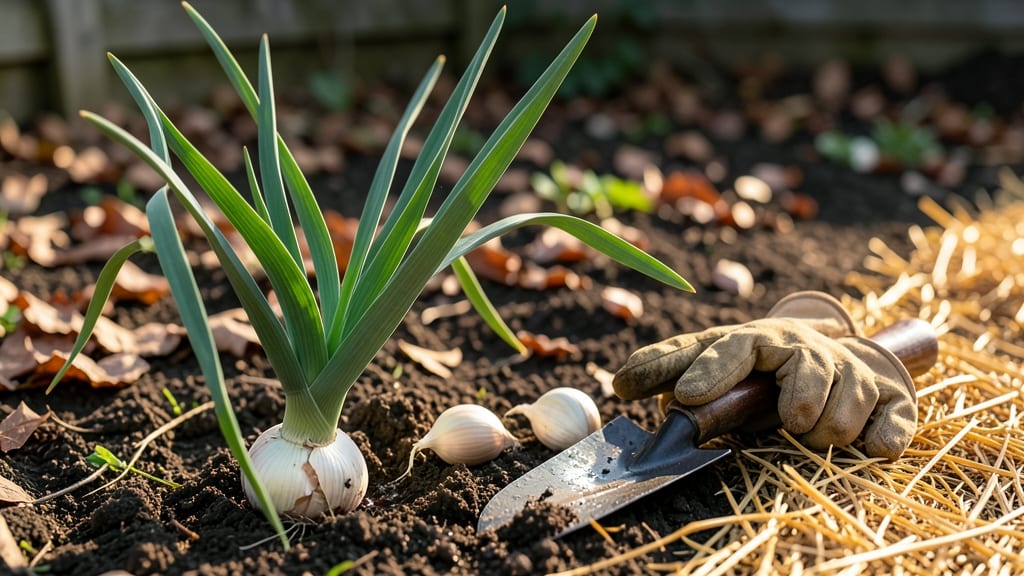
Planting garlic in Alabama at the wrong time can mean the difference between a bountiful spring harvest and wasted effort. The key to growing 🧄 successfully lies in understanding Alabama’s unique climate—where USDA zones 7a-8b create a narrow but critical window for fall planting.
Most gardeners in the South know timing matters, but few realize how much. For Alabama’s fall-planted garlic, the ideal window is October through November, when soil temperatures drop but before the first hard frost. This timing ensures your cloves establish roots before winter dormancy begins.
Why does this matter? Because garlic planted too late may not mature properly, while planting too early risks rot in soggy soils. I’ll walk you through the exact steps to time your planting perfectly—plus how to adjust for North Alabama’s cooler microclimates versus South Alabama’s extended growing season.
Ready to grow garlic that’s plump, flavorful, and ready by late May? Let’s break down the science—and the simple tricks—that make all the difference in Alabama’s garden beds.
Best months to plant garlic in Alabama (fall planting schedule)
Alabama’s USDA zones 7-8 create a unique window for planting garlic—one that rewards patience with a spring harvest of plump bulbs. Unlike northern states, we don’t have to rush planting before the first frost.
Instead, aim for October through early November, when soil temperatures drop but haven’t yet frozen solid.
The key is planting 4-6 weeks before ground freeze, typically between October 15 and November 15. This timing ensures garlic establishes roots before winter dormancy.
Hardneck varieties (like ‘Music’ or ‘German Red’) thrive best in Alabama’s climate, while softneck types (‘Silverskin’) may need slightly earlier planting.
Soil temperature is your best guide: wait until it consistently hovers between 40°F and 50°F at a 4-inch depth. Use a soil thermometer to track—this usually aligns with mid-October in most of Alabama. Planting too early (like in September) risks rot from warm, moist soil.
Here’s how Alabama’s regions break down: North Alabama (like Huntsville) has a shorter fall window and may need garlic in the ground by November 1, while South Alabama (around Mobile) can extend planting until mid-December in milder microclimates.
🌱
If you miss the fall window, spring planting is possible but risky in Alabama. Planting in February or March may yield small bulbs by summer, but the heat stresses the plants. For best results, stick to fall—it’s the only reliable method for large, flavorful garlic in our climate.
Pro tip: Check the Alabama Cooperative Extension System for your county’s last average frost date. This local data trumps general rules—some years, a late October freeze can sneak in, especially in the Appalachian foothills.
🌿
Remember, garlic planted in fall needs 60–90 days of cold to form bulbs. Alabama’s winters rarely drop below freezing for that long, but the consistent chill of December–February suffices. This is why hardneck varieties (which need 30–40 days below 40°F) outperform softnecks in our region.
For gardeners in Zone 8b (like Daphne or Fairhope), you might even squeeze in a second planting in December if temperatures stay mild. Just monitor soil temps—garlic won’t sprout in soil above 50°F.
Critical fall Prep steps for Alabama garlic planting success
Alabama’s clay-heavy soils and humid climate demand extra prep before planting garlic. Start by testing your soil pH—garlic thrives in 6.0-7.0 range. If your soil is too acidic, amend it with lime (apply 2-3 months before planting). For sandy soils, mix in compost to retain moisture and nutrients.
Next, focus on clove selection—choose plump, firm cloves from hardneck varieties like 'Music' or 'German White'. Avoid softneck for Alabama’s climate unless you’re planting in Zone 8b areas. Separate cloves 1-2 days before planting to speed up root growth and reduce transplant shock.
Here’s my pro tip: Soak cloves in water mixed with a fungicide (like neem oil) for 20 minutes before planting. This prevents rot in Alabama’s damp fall conditions.
Plant cloves 2 inches deep with the pointy end up, spacing them 4-6 inches apart in rows 12 inches apart.
Key Takeaway: Alabama Garlic Planting Checklist
- Soil Prep: Test pH (6.0-7.0), amend with compost/limestone
- Clove Prep: Separate 1-2 days before, soak in fungicide
- Planting Depth: 2 inches, pointy end up
- Spacing: 4-6" apart in rows 12" apart
- Mulch: 2-3" straw after planting (protects from frost)
Don’t forget to mulch heavily after planting—use straw or leaves (2-3 inches thick) to insulate bulbs through Alabama’s winter chill. This step is critical for Zone 7a gardeners, where freeze-thaw cycles can damage emerging shoots. Mulch also suppresses weeds and retains moisture.
One mistake I see often is planting garlic too late. In North Alabama, aim for mid-October to ensure roots establish before ground freezes (usually by mid-November).
In South Alabama (Zone 8b), you have until early December, but don’t delay—garlic needs 60-80 days of cold to form bulbs properly.
Finally, mark your garlic rows with stakes or flags—Alabama’s winter rains can wash away mulch, and you’ll want to avoid disturbing the soil in spring. With these steps, your garlic will bolt early and produce large, flavorful bulbs by late May.