
Plants
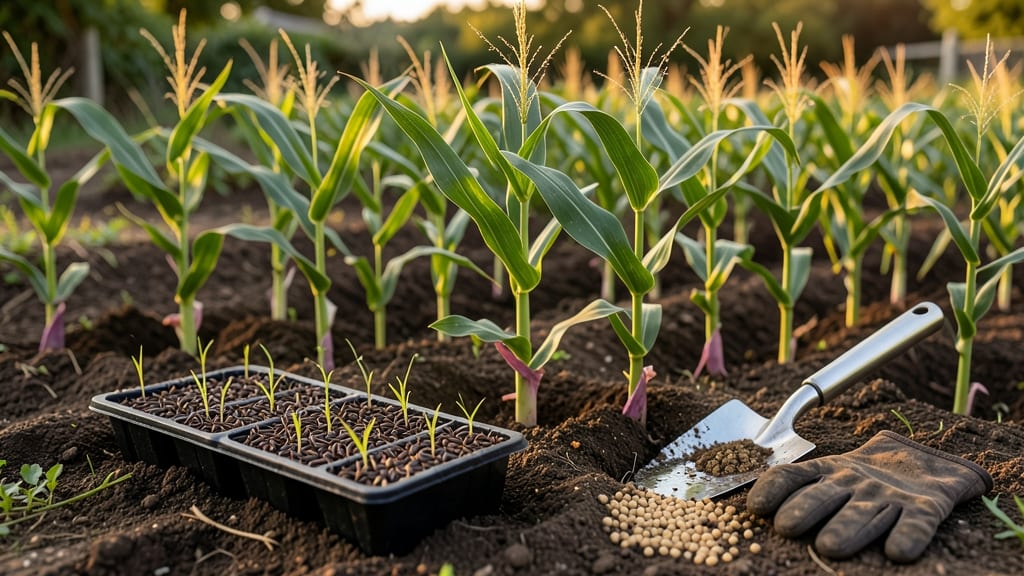
Planting corn in North Alabama at the wrong time could mean the difference between a thriving garden and a wasted effort—especially in USDA Zone 7a, where frost lingers longer than you might expect.
The ideal window for planting 🌽 is narrow, and missing it by even a few weeks can stunt growth or invite pests before your crop matures.
Most gardeners in this region wait until after the last frost, typically around mid-April, but soil temperature is the real game-changer. Corn needs warmth to germinate, so checking for 50°F+ soil is more critical than just the calendar date.
If you plant too early, cold soil will delay sprouting, leaving your corn vulnerable to late frosts.
In my years of growing corn here, I’ve learned that timing isn’t just about avoiding frost—it’s about syncing with your variety’s maturity. Early sweet corn can handle cooler soils, while field corn needs consistent warmth to reach its full potential.
Let’s break down the exact steps to nail your planting schedule and maximize your harvest.
Whether you’re a first-time gardener or a seasoned grower, getting this right means fewer headaches and more ears of corn on the cob by late July.
I’ll walk you through the best practices, from soil prep to adjusting for local microclimates, so you can confidently plant and reap the rewards.
North Alabama corn planting dates based on last frost and soil temperature
North Alabama's USDA Hardiness Zones 7a-7b create a unique window for planting corn—one that rewards patience and precision. The last average frost date typically falls around March 15, but soil temperature is the real game-changer.
Corn seeds need consistent soil temps of 50°F+ to germinate reliably, which usually happens by mid-April in most areas.
For Huntsville and surrounding high-elevation areas, cooler microclimates may delay ideal planting by 1-2 weeks compared to Decatur or Madison. Always check your local Alabama Extension office for updated frost data, as climate shifts can push these dates earlier or later each year.
Here's my foolproof strategy: Plant your first batch by April 15 and have backup seeds ready. If nighttime temps dip below 40°F after planting, use row covers or black plastic mulch to protect young seedlings from frost damage.
🌱 North Alabama Corn Planting Timeline
| Stage | Action | Notes |
|---|---|---|
| Soil Prep | Test pH (6.0-6.8) | Add compost 2-3 weeks before planting |
| Early April | Plant first seeds | Use row covers if nights <40°F |
| Mid-April | Monitor soil temp | Wait for 50°F+ consistency |
| Late April | Plant main crop | 1-1.5" deep, 4-6" apart |
| June | Succession plant | For continuous harvest |
I've learned the hard way that planting too early risks frost damage, while planting too late can lead to immature ears before fall frosts. For sweet corn varieties, aim for harvest by mid-October—any later risks dry, starchy kernels instead of tender sweetness.
Pro tip: Use black plastic mulch to warm soil faster and extend your planting window by 10-14 days. This works especially well in cooler mountain regions like Lincoln or Jackson County. Just remember to remove it before harvest to avoid soil contamination.
For field corn or popcorn, you can push planting slightly later (up to May 1) since these varieties have longer maturity dates. However, always calculate your frost-free growing season—North Alabama's 180-day window is perfect for most corn varieties if timed correctly.
Don't forget about companion planting! Corn thrives with beans, squash, and cucumbers but struggles near tomatoes and potatoes. Planting these combinations can improve your yield by 20-30% through natural pest control and soil enrichment.
Finally, keep a planting journal to track your success. Note your exact planting dates, soil temps, and any unusual weather patterns. Over time, you'll develop a customized planting schedule that beats the average frost dates every time.
🌽
North Alabama corn planting dates based on last frost and soil temperature
North Alabama’s USDA Hardiness Zones 7a-7b offer a short but productive growing season for corn, but timing is everything. The last average frost date hovers around March 15, but soil temperature is the real game-changer—corn needs consistent 50°F+ soil temps to germinate.
Planting too early risks frost damage, while waiting too long cuts harvest time short.
For most sweet corn varieties, aim for mid-April to early May in North Alabama. This window balances frost risk and heat requirements, ensuring your plants have 90-120 frost-free days to mature. In cooler microclimates like Huntsville’s valleys, push planting to late April to avoid late frosts.
🌱 Pro Tip: Use a soil thermometer to confirm temps—corn seeds won’t sprout reliably below 50°F. If your soil is still cold in early April, consider black plastic mulch to warm it faster.
| Stage | Action | North Alabama Timeline |
|---|---|---|
| Soil Prep | Test pH (6.0-7.0), add compost | February-March |
| Planting Window | Seed 1-1.5" deep, 4-6" apart | Mid-April to Early May |
| Germination | Keep soil 50°F+ | 7-14 days |
| Harvest Ready | Silks brown, kernels milky | Late July-Early October |
| First Frost Risk | Protect plants if frost forecast | Mid-November |
If you’re in warmer microclimates like Decatur, you might squeeze in a late June planting for a fall harvest, but this requires short-season varieties (60-70 days to maturity). Always check your local Alabama Cooperative Extension for updated frost data—climate shifts can alter traditional timelines.
🌡️ Warning: Planting corn before soil reaches 50°F delays germination by weeks. Use row covers or straw mulch to insulate seeds if early planting is unavoidable.
For maximum yield, stagger plantings every 2 weeks in April. This ensures a continuous harvest and reduces pest pressure from synchronized crops. Just remember: corn thrives on heat, so prioritize sun exposure and avoid shady garden corners.