
Plants
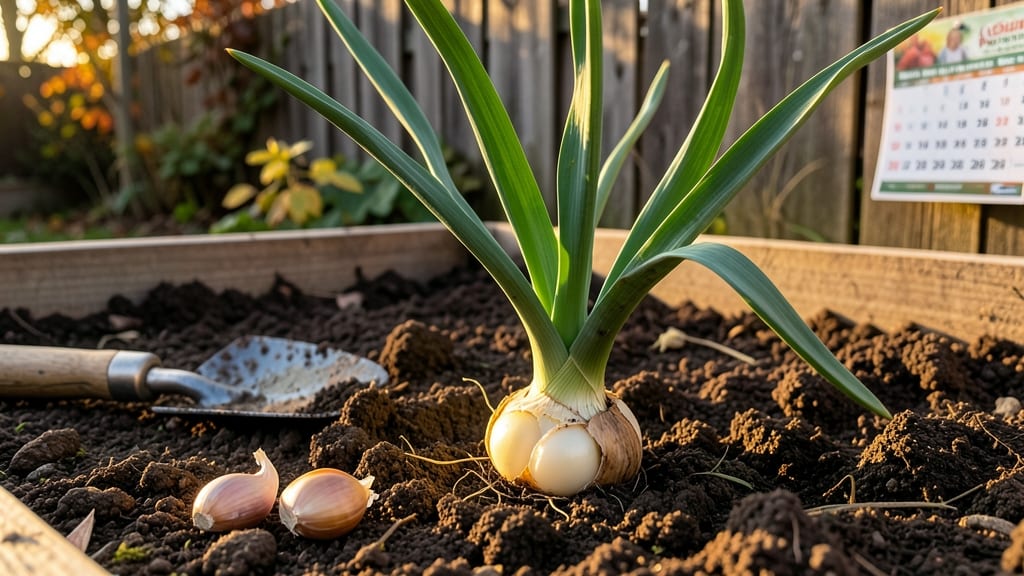
Planting garlic at the wrong time in Pennsylvania can mean the difference between a bountiful harvest of plump cloves and a disappointing 🧄 flop—especially when dealing with the state’s varied USDA zones and unpredictable winters.
The key to success lies in understanding your specific zone (5b-7a) and choosing between hardneck and softneck varieties, each with their own ideal planting window.
If you’ve ever wondered why some gardeners swear by fall planting while others insist on spring, the answer lies in Pennsylvania’s climate. For most gardeners in this region, the optimal window is late September to early October, giving the cloves time to establish roots before winter sets in.
But timing isn’t just about the calendar—soil temperature and frost dates play a critical role too.
Hardneck garlic, the variety most growers in Pennsylvania prefer, thrives when planted in the cooler months, while softneck varieties can sometimes stretch the window slightly later.
Whether you’re in the cooler 5b zone or the milder 7a, getting this right means fewer weeds, stronger bulbs, and a harvest ready by late June or early July.
In this guide, I’ll break down exactly when to plant each type, how to prep your soil for maximum success, and what to watch for as the seasons change. Let’s make sure your next garlic harvest is the best one yet!
Best planting months for garlic in Pennsylvania by zone and variety
Pennsylvania’s USDA zones 5b-7a create a unique challenge for garlic growers, where timing must balance cold winters and warm summers. The ideal planting window is late September to early October, but hardneck and softneck varieties have slightly different needs based on your zone.
In northern PA (zones 5-6), aim for planting by October 1st to ensure cloves establish roots before frost. Southern PA (zone 7) gardeners have until mid-October but risk poor bulb formation if planted too late.
For hardneck garlic, which thrives in colder climates, the 4-6 week window before ground freeze is critical. In Pittsburgh (zone 6a), that means planting by October 15th, while Erie (zone 5b) gardeners should plant by October 1st.
Softneck varieties, better suited for milder winters, can tolerate slightly later planting but still need 6-8 weeks of cold exposure to form bulbs properly.
Soil temperature is your best guide—plant when soil temps drop below 50°F (10°C) but before consistent freezing. Use a soil thermometer to track temps; in central PA, this typically happens by mid-October.
If you miss the fall window, spring planting is possible but yields are often smaller, with harvests the same year instead of the following summer.
Avoid planting after November 1st unless you’re in southern PA (zone 7), where milder winters extend the window.
Late plantings risk poor bulb development or even death if cloves don’t establish roots before winter sets in. Hardneck garlic planted too late may not form the scape (flower stalk), a prized harvest in many kitchens.
🌱 Pennsylvania Garlic Planting Guide by Zone & Variety
| Zone | Variety | Best Planting Window | Soil Temp Threshold | Key Notes |
|---|---|---|---|
| 5b (Erie, State College) | Late Sept - Oct 1 | Below 50°F (10°C) | Hardneck preferred; plant early to avoid winter kill. |
| 6a (Pittsburgh, Harrisburg) | Late Sept - Oct 15 | Below 50°F (10°C) | Both varieties work; hardneck for scapes, softneck for storage. |
| 7a (Philadelphia, Reading) | Late Sept - Nov 1 | Below 55°F (13°C) | Softneck performs best; later planting still possible. |
| All Zones (Spring Backup) | March - April (harvest same year) | Above 40°F (4°C) | Smaller bulbs; not ideal but works in a pinch. |
💡 Pro Tip: Use mulch (straw or leaves) after planting to insulate cloves and prevent frost heave.
Preparing your soil in late summer (August) sets the stage for success. Garlic prefers well-draining, slightly acidic soil (pH 6.0-7.0). Work in 2-3 inches of compost and avoid fresh manure, which can burn cloves.
In heavy clay soils common in central PA, mix in sand or peat moss to improve drainage. A soil test is worth the investment—garlic is sensitive to excess nitrogen, which promotes leafy growth at the expense of bulb size.
If you’re new to garlic growing, hardneck varieties like 'German White' or 'Music' are excellent choices for northern PA due to their cold hardiness.
These varieties produce scape (flower stalk), which can be harvested in late spring for use in cooking or braiding. Softneck varieties, such as 'Silverskin' or 'Artichoke', store longer but require warmer winters, making them better suited for southern PA.
Mark your calendar for late June to early July next year—this is when garlic is ready to harvest in Pennsylvania. The lower leaves will turn brown and the bulbs will feel firm when gently squeezed.
Leaving garlic in the ground too long causes skin splitting, while harvesting too early results in small, underdeveloped bulbs. In humid PA summers, cure harvested garlic in a shady, well-ventilated area for 2-3 weeks to prevent mold.
For gardeners in transition zones (6a/6b), like Lancaster or York, consider planting a mix of hardneck and softneck varieties. This hedges your bets against unpredictable winters—if one variety struggles with freeze-thaw cycles, the other may still thrive.
Just be sure to label your rows to track which variety is which during harvest.
Finally, don’t underestimate the power of local microclimates. A south-facing slope in northeastern PA may stay warmer longer than a north-facing garden bed in southwestern PA. Use these microclimates to your advantage—plant softneck
Best planting months for garlic in Pennsylvania by zone and variety
Pennsylvania’s USDA zones 5b-7a create a 6-week window for ideal garlic planting, but timing shifts between hardneck and softneck varieties. Most gardeners in northern PA (zones 5-6) should plant between late September and mid-October, while southern PA (zone 7) can extend planting until early November.
Hardneck garlic—like 'Music' or 'German White'—needs cold stratification (40°F or below for 4-6 weeks) to form bulbs. Plant too late, and you’ll miss the critical frost window needed for proper bulb development.
Softneck varieties ('Artichoke' or 'Silverskin') tolerate slightly later planting but still require 4-6 weeks before ground freeze.
| Factor | Hardneck Garlic | Softneck Garlic |
|---|---|---|
| Best Planting Month | Late September - Mid-October | Late October - Early November |
| Soil Temperature | 40-50°F (4-6°C) | 45-55°F (7-13°C) |
| Cold Requirement | 6+ weeks below 40°F | 4-6 weeks below 40°F |
| Zone 5-6 Window | Sept 20 - Oct 15 | Oct 15 - Nov 5 |
| Zone 7 Window | Sept 25 - Nov 1 | Oct 20 - Nov 10 |
| Soil Prep Tip | Add compost + sulfur (pH 6.0-7.0) | Well-draining soil + aged manure |
For northern PA gardeners (zones 5-6), aim to plant by October 15—any later risks poor bulb formation due to insufficient cold. In southern PA (zone 7), you have until November 1, but avoid planting after November 10 unless using row covers for frost protection.
Check your last frost date (mid-April in most areas) and count back 4-6 weeks. For example, if your average first frost is October 20, plant by September 15 for hardneck varieties. Use a soil thermometer to confirm temps are below 50°F—this triggers bulb development.
Pro tip: Plant hardneck garlic in raised beds if your garden soil stays too wet in winter. The extra drainage prevents rot and ensures even cold exposure. For softneck varieties, focus on well-draining soil to avoid bulb splitting during harvest.
If you miss the fall window, spring planting is possible but yields smaller bulbs. Plant cloves in March (after last frost) for a summer harvest, but expect 50% smaller bulbs compared to fall-planted garlic. Use this method only for softneck varieties or if you’re short on storage space.