
Plants
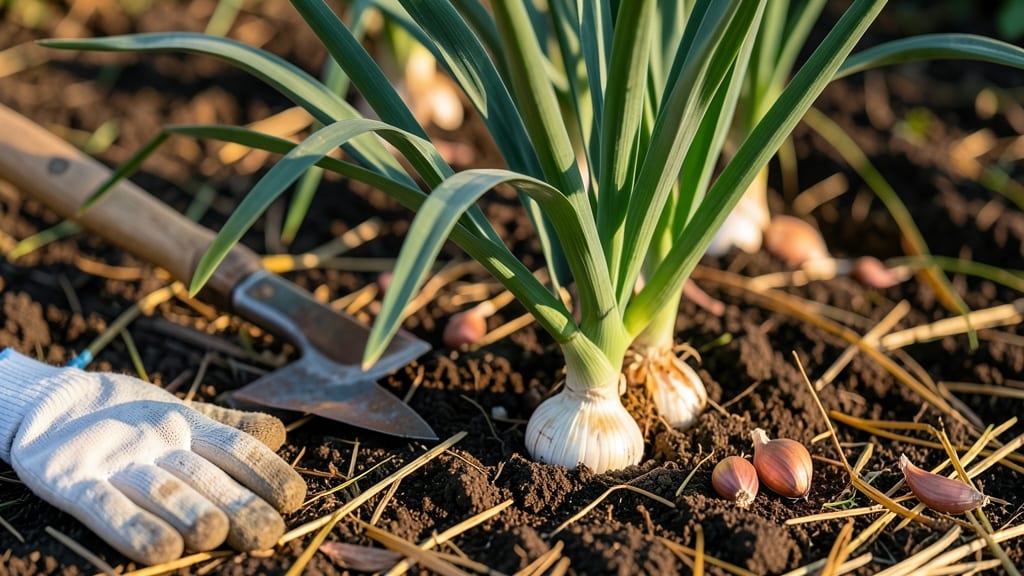
Planting garlic in Minnesota at the wrong time can mean the difference between a bountiful harvest and wasted effort—especially when hardneck and softneck varieties each need their own perfect window.
While most gardeners focus on fall, the ideal planting months actually stretch from September through November, depending on your USDA zone and frost dates.
For Minnesota’s 3a-5b climate, hardneck garlic—like the beloved 🧄 varieties—thrives when planted in mid-to-late October, giving roots time to establish before winter. Softneck types, though less common in cold climates, can go in as early as September if your soil stays workable.
The key? Avoid planting too soon, or cloves may rot, and don’t wait too late, or they’ll struggle to sprout before frost.
I’ve learned the hard way that timing isn’t just about months—it’s about soil temperature and frost predictions. A 4-week window before the ground freezes (usually mid-November in MN) is your sweet spot.
Plant cloves 2 inches deep and 6 inches apart, and you’ll set yourself up for robust growth by next summer.
Ready to master Minnesota garlic planting? Let’s break down the exact steps—from soil prep to frost protection—that’ll guarantee your best yield yet. No more guesswork, just results.
Minnesota garlic planting calendar: hardneck vs softneck months explained
Garlic thrives in Minnesota’s cool climate, but the right planting window depends on whether you’re growing hardneck or softneck varieties. Hardnecks, like ‘German White’, need cold vernalization for scapes, while softnecks, like ‘Silverskin’, store longer but prefer milder conditions.
Timing these correctly ensures robust bulbs by next summer.
Minnesota’s USDA zones 3a-5b mean frost dates vary dramatically—northern gardens (zone 3) freeze earlier than southern areas (zone 5). Aim to plant garlic 4-6 weeks before the ground freezes to allow roots to establish before winter dormancy. This typically lands between mid-October and mid-November for most of the state.
For hardneck garlic, the ideal window is late September to early November. These varieties need 40-60 days of cold temperatures (below 40°F) to form scapes and bulbs properly. In zone 4 (Minneapolis/St. Paul), October is perfect—soil temps drop below 50°F, signaling garlic to sprout.
Softnecks, however, are more flexible and can be planted late August through October. They tolerate slightly warmer soil and don’t require as much cold. In zone 5 (southern MN), like Rochester or Winona, you might extend planting into early November without risking frost damage.
Here’s how to align your planting with Minnesota’s climate:
Use a soil thermometer to confirm readiness—ideal planting temps hover around 50–60°F. In northern MN (zone 3), wait until mid-October to avoid early frosts, while southern MN (zone 5) gardeners can plant as late as early November.
Pro tip: Separate garlic bulbs into individual cloves 24 hours before planting. This prevents mold and ensures each clove gets proper spacing. Plant with the pointy end up, about 2 inches deep and 6 inches apart, in loose, well-draining soil.
Mulch heavily with straw or leaves after planting to insulate cloves from temperature swings. This is especially critical in zone 3, where winter temps can drop below -20°F. Mulch also suppresses weeds and retains moisture for spring sprouting.
Spring planting is possible but risky—garlic grows best with a 6–8 month cold period. If you miss fall, plant in early spring (March–April) when soil thaws, but expect smaller bulbs. Hardnecks may not form scapes if planted too late.
Track your local frost dates using the MN State Climatology Office or plant a test clove 2 weeks early to gauge soil readiness. Adjust based on your microclimate—urban areas may freeze faster than rural spots due to heat islands.
How to adjust garlic planting for Minnesota’s microclimates and frost risks
Minnesota’s climate varies dramatically from the Twin Cities in the south to the Iron Range in the north, making frost timing a moving target.
In USDA Zone 3a (northern MN), gardeners should plant garlic by early October to avoid winter kill, while those in Zone 5b (southern MN) have until mid-November. The key? Check your soil temperature—it should be between 40°F and 50°F when planting.
For northern MN gardeners, late September is your best window—planting earlier risks cloves sprouting before frost. Southern MN gardeners can stretch planting into early November, but avoid planting after the first hard frost (usually mid-October).
Use a soil thermometer to confirm readiness; cold soil slows root growth and weakens bulbs.
- Zone 3a (North): Plant when soil hits 40°F (usually late Sept)
- Zone 4a (Central): Aim for 45°F soil (early Oct)
- Zone 5b (South): Wait until 50°F soil (mid-late Oct)
- ⚠️ Warning: Planting in 60°F+ soil risks sprouting before dormancy
Mulching is your secret weapon against late-season frosts. After planting, cover beds with 4-6 inches of straw or leaves to insulate cloves. In northern MN, this can extend the planting window by 2-3 weeks—just remove mulch in early spring to prevent rot.
For extra protection, use frost blankets during unexpected cold snaps, especially if temperatures drop below 20°F.
Microclimates matter too! Urban areas (like Minneapolis) often stay warmer than rural zones, while lake-effect areas (near Lake Superior) can experience sudden frost. Observe your garden’s frost patterns for 3 years to refine your timing.
If you’re unsure, plant a test row in early September—if cloves sprout before frost, delay your main planting.
Adjust spacing based on frost risk: in northern MN, plant cloves 4 inches apart to reduce competition, while southern MN allows 6 inches apart. Deeper planting (3 inches deep) also helps protect cloves in colder zones.
Remember, garlic needs 6-8 months to mature—plant too late, and you’ll harvest small, weak bulbs.
Finally, choose the right variety for your zone. Hardneck varieties (like ‘Music’ or ‘German White’) thrive in MN’s cold winters, while softneck varieties (like ‘Artichoke’) need milder conditions. Northern MN gardeners should stick to hardnecks—they handle frost better and produce larger bulbs in short seasons.