
Companion Plants
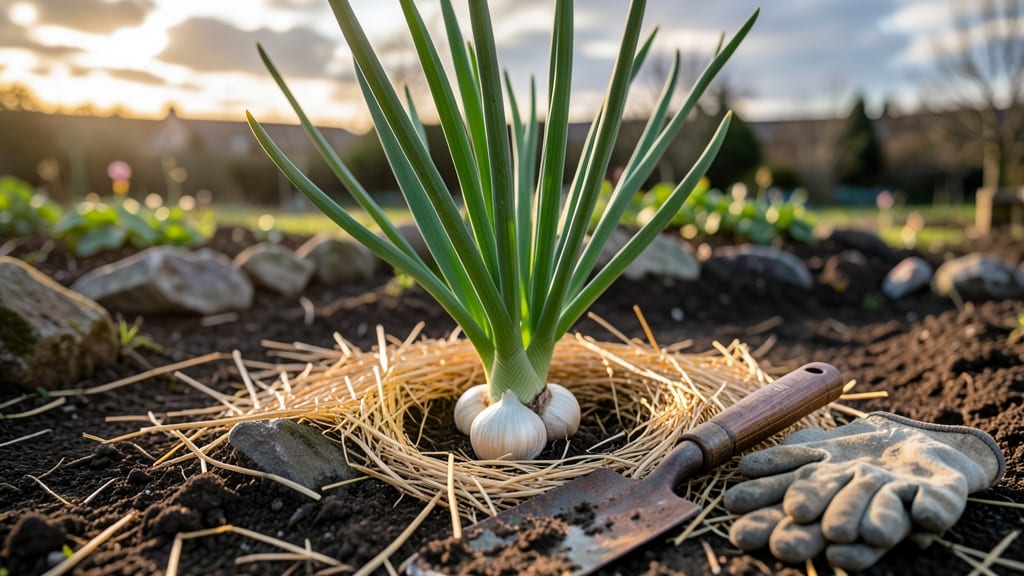
Planting garlic in Seattle at the right time means the difference between bold, flavorful bulbs and disappointing harvests. Unlike other regions, Seattle’s mild yet unpredictable climate demands precision—especially when hardneck varieties need cold to form properly.
Miss the window, and you might end up with weak growth or no bulbs at all.
Most gardeners know fall is the time to plant 🧄 garlic, but Seattle’s 8a zone and variable frost dates (first frost around March 1) create a unique challenge. Planting too early risks rot, while waiting too late can stunt bulb development.
The sweet spot? Late October through November, when soil temps hover around 50°F—just cool enough to protect cloves but warm enough for roots to establish.
Here’s the game-changer: Seattle’s microclimates—wet west side, drier east—can shift optimal timing by weeks. Urban gardeners might need to adjust for compacted soil, while rural areas can push planting slightly later.
I’ll break down the exact schedule, frost-proof strategies, and how to choose between hardneck and softneck varieties for your specific zone.
Ready to grow garlic that rivals store-bought? Let’s dive into the frost-free timeline and soil prep secrets that’ll give you plump, robust bulbs by next summer. Your kitchen—and taste buds—will thank you.
Seattle’s ideal garlic planting window: month-by-month frost-proof guide
Seattle’s USDA Zone 8a climate creates a unique challenge for garlic growers. Unlike warmer regions, our cool, wet winters and variable frost dates demand precise timing to ensure successful bulb development.
The ideal window spans October through January, but understanding the nuances of each month will help you avoid common pitfalls like premature sprouting or frost damage.
For hardneck garlic—the preferred variety in Seattle—planting between October 15 and November 15 aligns perfectly with the city’s average first frost date of March 1**. This timing allows cloves to establish roots before winter dormancy while ensuring bulbs mature by July-August harvest.
Softneck varieties can tolerate slightly later planting, but they rarely perform as well in our climate.
Soil temperature is your best guide: aim to plant when the ground reaches 40–50°F (4–10°C). In Seattle, this typically occurs in mid-October, but urban areas like Ballard or West Seattle may experience cooler soils due to prolonged cloud cover. Use a soil thermometer to confirm readiness—don’t guess!
Here’s your month-by-month breakdown of optimal planting times, frost risks, and care adjustments tailored to Seattle’s conditions:
Pro tip: Hardneck varieties like ‘German White’ or ‘Music’ thrive in Seattle’s climate, producing larger bulbs and flavorful scapes. Softnecks like ‘Silverskin’ can work but often struggle with our wet winters. Always choose plump, disease-free cloves from a local supplier for best results.
After planting, mulch heavily (4–6 inches) with straw or leaves to insulate cloves from temperature swings. In urban areas with microclimates, like Green Lake or Beacon Hill, you may need to adjust planting dates by 1–2 weeks earlier due to cooler microclimates.
Always monitor your specific zone!
Seattle’s rainy season (November–March) means drainage is critical. Avoid low spots where water pools—garlic rots in soggy soil. If your garden sits in a shaded or damp area, consider raised beds with amended soil for better control over moisture levels.
Remember: Patience is key. Garlic planted in late October won’t show significant growth until March or April, but this slow start ensures larger, more flavorful bulbs by harvest. Mark your calendar for July 4th weekend
🌱
How to adjust planting for Seattle’s microclimates: rainy west vs. drier east
Seattle’s diverse microclimates—from the rain-soaked West Side to the drier East Side—can drastically impact garlic growth. The West Side (like Ballard or West Seattle) gets 10+ inches more rain annually, while the East Side (like Bellevue or Redmond) enjoys sunnier, drier conditions.
These differences mean your planting strategy should shift based on where you live.
For West Side gardeners, focus on earlier planting (late September–early October) to avoid overly wet soil, which can rot cloves. East Side gardeners can plant slightly later (mid-October) and benefit from warmer soil that speeds early root growth.
Both zones should aim to plant 4–6 weeks before the first hard frost (typically November 15), but adjust for local frost patterns.
🌱 Key Adjustment: West Side = prioritize drainage (raised beds or sandy soil mixes); East Side = leverage extra sunlight for faster bulb development. Mulching is non-negotiable in both zones—6 inches of straw or leaves insulates roots from temperature swings and retains moisture.
West Side (Rainy)
East Side (Drier)
- Cooler summers reduce heat stress
- Natural moisture reduces watering needs
- Higher risk of clove rot in wet soil
- Slower bulb maturation due to cloud cover
- Warmer soil speeds early growth
- More sunlight = larger bulbs
- Drought risk if rainfall drops below 1 inch/month
- Soil can dry out too quickly in summer
Urban gardeners in Seattle’s Interlake or Ballard areas face unique challenges: compacted soil and limited sunlight. Amend beds with compost and perlite to improve drainage, and choose hardneck varieties (like ‘German White’) for their sturdier stalks, which tolerate crowded conditions better.
If your yard is shady, opt for softneck garlic—it’s more forgiving but may yield smaller bulbs.
For late starters (those who miss the October window), don’t panic! Plant garlic in December if your soil hasn’t frozen solid. Use frost cloth to protect cloves during January freezes, and expect a slightly delayed harvest (late July instead of early August).
The trade-off? Smaller bulbs—but still edible and worth the effort.
Pro tip: Test your soil’s moisture before planting. Stick your finger 6 inches deep—if it’s soggy, wait a week. If it’s bone-dry, water deeply 24 hours before planting. Seattle’s variable weather means flexibility is key: adjust, observe, and adapt based on your microclimate’s quirks.