
Plants
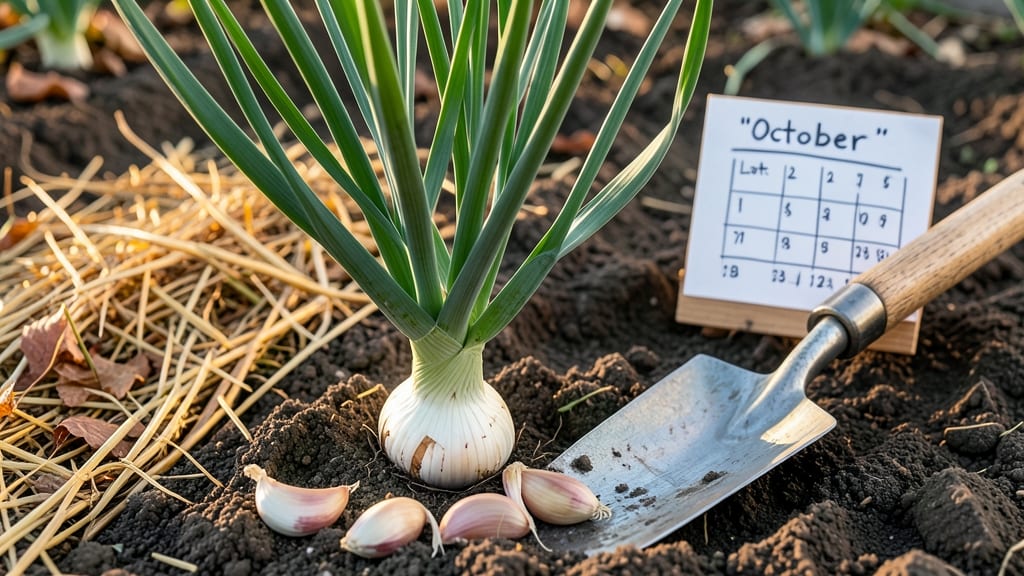
Planting garlic at the wrong time in Wisconsin can turn your 🧄 dreams into a flop—especially when hardneck varieties need precise timing to survive harsh winters and yield flavorful bulbs.
The key to success lies in understanding your region’s frost dates, soil temperatures, and the perfect 4-6 week window before the ground freezes solid.
Most Wisconsin gardeners swear by fall planting between mid-October and November, when soil temps dip to 40-50°F—ideal for hardneck garlic to establish roots before winter. But with USDA zones 4b-5b bringing early freezes, even a 2-week delay can mean smaller bulbs or failed harvests next summer.
Why does timing matter so much? Hardneck garlic thrives on cold winters to develop its signature purple-striped bulbs, but planting too early or late disrupts its growth cycle.
In this guide, I’ll break down exactly when to plant in Wisconsin’s three key regions—plus soil prep secrets and mulching tips—to ensure your garlic survives 150 frost-free days and beyond.
Whether you’re a first-time grower or a seasoned gardener, getting this right means the difference between 180-day harvests and wasted cloves. Let’s dive into the exact steps to plant garlic in Wisconsin—and set yourself up for a bountiful July harvest.
Wisconsin hardneck garlic planting timeline: month-by-month frost date guide
Wisconsin’s USDA Zones 3-5 create the perfect climate for hardneck garlic, but timing is critical. The ideal planting window is mid-October to mid-November, when soil temps drop to 40-50°F.
This ensures bulbs establish roots before winter dormancy. Planting too early risks rot, while late planting may not yield mature bulbs by summer.
Your last frost date (around November 15) signals the deadline for fall planting. In northern Wisconsin (Green Bay), aim for October 1-15, while southern regions (Madison, Milwaukee) can extend until November 1-15.
Check your local first frost date (typically April 15) to adjust timing if winters are milder.
For frost-free success, plant 4-6 weeks before ground freeze. Use a soil thermometer to confirm temps are below 50°F—this triggers dormancy. Hardneck garlic needs cold stratification (winter chilling) to form bulbs, so don’t rush planting. A 4-inch mulch layer (straw or leaves) protects cloves from freeze-thaw cycles.
Here’s your Wisconsin garlic planting timeline by region, including soil prep and frost dates:
After planting, avoid disturbing the soil until spring. Hardneck garlic emerges in early April, but don’t thin until shoots are 2-3 inches tall. Space cloves 4-6 inches apart in rows 8-12 inches apart for airflow.
In USDA Zone 3, use black plastic mulch to warm soil faster in spring.
Spring planting is not recommended in Wisconsin—garlic needs 60+ days of cold temps to form bulbs. If you miss fall planting, wait until early spring (March) but expect smaller yields. For year-round harvests, plant softneck varieties in late spring (May), but they won’t overwinter well.
Pro tip: Save seeds from your best bulbs! Hardneck garlic bolts and flowers in Wisconsin’s climate, producing seed stalks that can be dried and replanted. Harvest these scapes in June for flavorful garlic greens without sacrificing bulb size.
Monitor your garden for garlic rust (orange spores) or white rot—common in Wisconsin’s humid springs. Crop rotation and well-draining soil (sandy loam ideal) prevent these issues. With the right timing, your hardneck garlic will thrive, producing bold-flavored bulbs ready for July harvests.
Hardneck vs. softneck garlic in Wisconsin: why hardneck wins (and when to plant it)
Wisconsin’s cold winters make it the perfect state for growing hardneck garlic, not softneck. The hardneck varieties thrive in USDA zones 3–5, producing those prized purple-striped bulbs and bold flavor that softneck can’t match. Their hardneck stems also form scape shoots in spring, a bonus harvest for gardeners.
Planting hardneck garlic in Wisconsin follows a fall timeline (October–November), while softneck—better suited for milder climates—would struggle with our freezing winters. The key difference? Hardneck needs cold stratification to form bulbs, while softneck grows best in warmer regions like California or the South.
🌱 Hardneck vs. Softneck Garlic in Wisconsin
- ✅ Thrives in USDA 3–5
- ✅ Needs cold winters for bulb formation
- ✅ Produces scape shoots (edible bonus)
- ✅ Best planted October–November
- ❌ Struggles in freezing winters
- ❌ No scapes; milder flavor
- ❌ Best for USDA 7–10
- ❌ Plant in fall or spring (less ideal for WI)
For hardneck garlic, choose large bulbs (4+ cloves) from varieties like ‘German White’ or ‘Music’, which perform best in Wisconsin. Break bulbs into individual cloves, plant the pointy end up, and space them 4–6 inches apart in rows 12 inches apart.
Prep your soil by amending it with compost or aged manure to ensure good drainage—waterlogged soil is garlic’s enemy. After planting, cover beds with 4–6 inches of straw mulch to protect cloves from freezing temps and suppress weeds.
This mulch layer also helps regulate soil temperature, a critical factor for bulb development.
Spring brings scape harvests (those curly green shoots) in May or June, followed by the main bulb harvest in July–August. Unlike softneck, hardneck garlic won’t store as long (6–8 months vs. 12+ months), but its bold flavor makes it worth the effort.
If you miss the fall window, you can plant in early spring, but yields will be smaller and less flavorful.
Pro tip: Save seeds from your best hardneck bulbs for next year’s planting—Wisconsin’s climate helps them adapt perfectly to local conditions. Just avoid planting the same variety year after year in the same spot to prevent soil-borne diseases.