
Plants
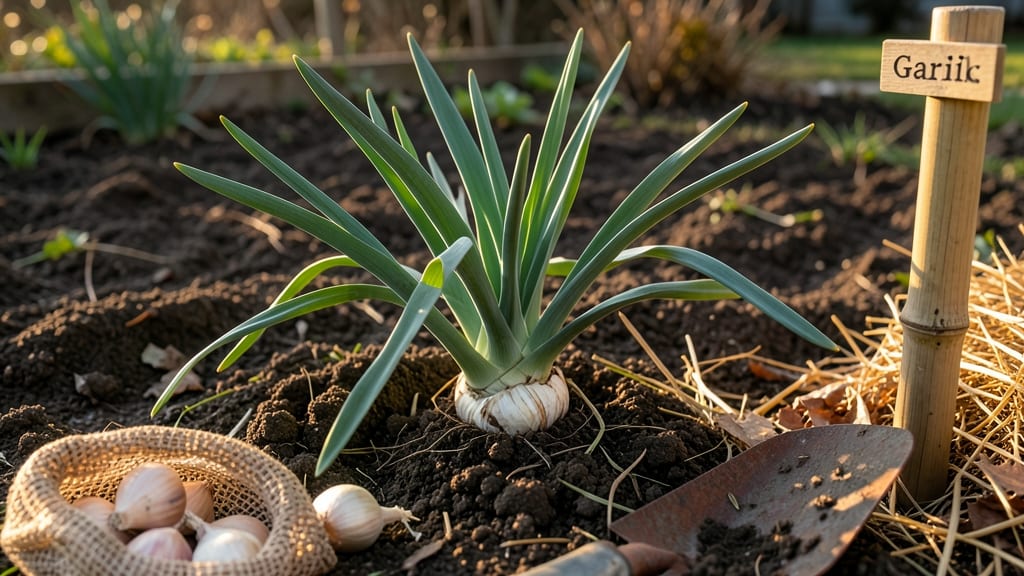
Planting garlic in Northeast Ohio at the wrong time means tiny bulbs—or worse, no harvest at all. The 4- to 6-week window between late October and early November is your golden opportunity to grow bold, flavorful 🧄 that thrives through our Zone 6a winters.
Why does timing matter so much? Garlic needs cold stratification to form bulbs, and Northeast Ohio’s unpredictable springs can derail your crop if you plant too late.
But don’t stress—this guide breaks down the exact months, soil prep, and frost tricks to guarantee success, whether you’re growing hardneck or softneck varieties.
You’ll learn how to prep your soil, choose the right varieties for Ohio’s climate, and avoid common mistakes that leave gardeners with weak growth. Let’s get your garlic off to the best possible start this fall.
From soil temperature checks to frost date tracking, I’ll walk you through every step to ensure your garlic plants emerge strong next spring—and deliver a harvest of plump bulbs by mid-July.
Best planting timeline for Northeast Ohio garlic: month-by-month breakdown
Northeast Ohio’s Zone 6a climate demands precise garlic planting timing to survive our freezing winters and unpredictable springs. The ideal window is between late October and early November, when soil temps drop to 40–50°F—just cold enough for dormancy but not yet frozen.
Why this timing? Garlic needs 40–60 days of cold stratification to form bulbs. Plant too early (September), and you risk rot from warm soil. Plant too late (December), and the cloves won’t establish roots before freeze-up. Let’s break down the month-by-month strategy for hardneck vs. softneck varieties.
Here’s your Northeast Ohio garlic planting timeline, adjusted for our region’s first frost (mid-October) and last frost (mid-November):
| Month | Task | Soil Temp | Notes |
|---|---|---|---|
| September | Soil prep + light planting | 50–60°F | Early hardneck only; avoid wet soil |
| October | Primary planting window | 40–50°F | Best for both hardneck/softneck |
| Early November | Final planting cutoff | 35–40°F | Risk of freeze; mulch heavily |
| December–March | Dormancy | Below 32°F | Snow cover protects; no care needed |
| April | Spring emergence | 40–50°F | Remove mulch; watch for pests |
For hardneck varieties (like ‘German White’ or ‘Music’), aim for late September to early October—they need the longest cold period to form scapes. Softneck varieties (like ‘Silverskin’) can tolerate slightly later planting but still need to establish roots before mid-November’s last frost.
Pro tip: Use a soil thermometer to confirm temps. If your garden runs warmer than 50°F in October, wait a week—rotting cloves are a common Ohio mistake. Black plastic mulch can help cool soil faster if needed.
Microclimates matter in Northeast Ohio! Gardens near Lake Erie (e.g., Cleveland) stay warmer longer, while inland areas (e.g., Akron) freeze earlier. Adjust your timeline by 1–2 weeks based on your specific zone within 6a.
Once planted, mulch with straw (4–6 inches) to insulate bulbs through winter. This prevents heaving (bulbs pushing out of soil) and ensures even growth. Check mulch in late winter—if it’s compacted, fluff it to allow airflow.
Spring brings the real test: patience. Don’t rush to fertilize—garlic needs 60+ days of cold before it’s ready for growth. By mid-April, you’ll see shoots emerge. That’s your cue to reduce mulch and prep for July’s harvest.
Missed the fall window? You can try spring planting (March–April), but bulbs will be smaller and less flavorful. The cold stratification is critical for Ohio’s climate—don’t skip it unless you’re okay with compromise-quality garlic.
🌱
Soil preparation and pre-planting checks for Ohio garlic success
Ohio’s clay-heavy soils and humid springs can sabotage garlic growth if you don’t prep properly. Start 4–6 weeks before planting by testing your soil’s pH (6.0–7.0 ideal) and drainage—garlic hates soggy roots.
If your soil is compacted, mix in 2–3 inches of compost or well-rotted manure to improve aeration and nutrients.
For Northeast Ohio’s Zone 6a climate, aim to plant when soil temps drop to 40–50°F. Use a soil thermometer to check—this usually happens in late October.
If your soil drains poorly, raise beds or plant on mounds to prevent rot during Ohio’s winter thaws and spring rains.
🚨 CRITICAL STEP: Avoid fresh manure—it can burn garlic roots. Instead, use aged compost or leaf mold for gentle nutrient release. Work organic matter into the top 6–8 inches of soil to create a loose, crumbly texture perfect for root development.
Don’t skip the soil test—Ohio’s limestone-rich soils often need phosphorus and potassium. Add a balanced fertilizer (5-10-10) at planting time, but avoid high-nitrogen blends, which encourage leafy growth over bulbs. Spread fertilizer evenly and water it in to activate nutrients before the first frost.
For extra insurance, mulch with straw or shredded leaves after planting. This protects cloves from freeze-thaw cycles and keeps soil temps stable. In Northeast Ohio, mulch should be 2–3 inches thick—thicker layers can smother emerging shoots in spring.
Pro tip: Mark your garlic rows with biodegradable flags or a garden map. Ohio’s unpredictable springs can make it easy to forget where you planted, and garlic’s early foliage resembles weeds until it’s 6+ inches tall.
With proper soil prep, your garlic will establish strong roots before winter, setting the stage for plump bulbs by mid-July. The key is drainage + nutrients + timing—oh, and patience! 🌱