
Flowers
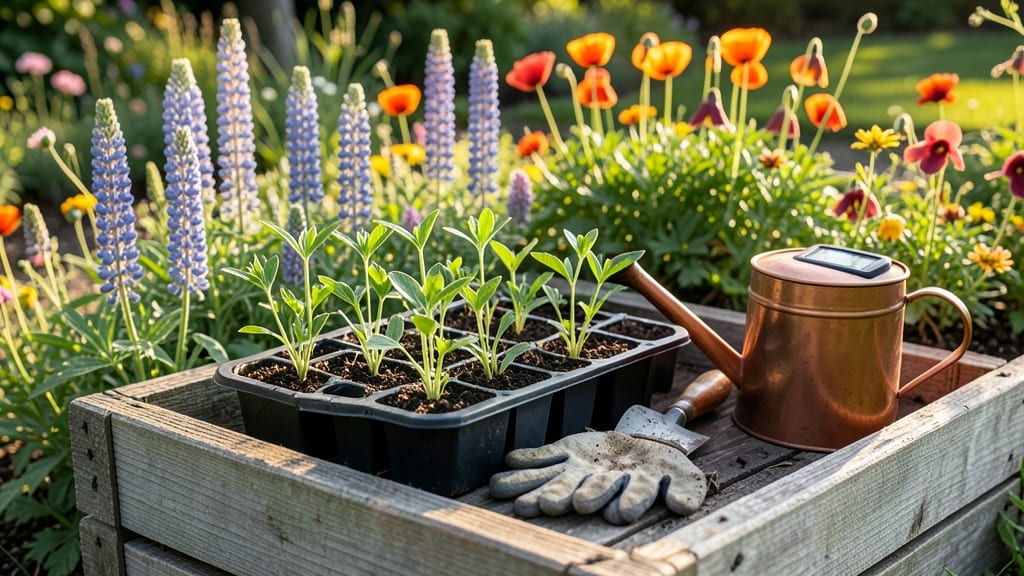
Knowing when to plant flowers in Idaho isn’t just about following a calendar—it’s about outsmarting the region’s unpredictable frosts and making the most of those short, sweet growing seasons.
Whether you’re dreaming of vibrant delphiniums or hardy lavender, planting too early or too late can mean the difference between a garden bursting with color and one that barely survives.
With Idaho’s USDA Zones 4-7 and frost dates that shift wildly from south to north, knowing when to plant isn’t just helpful—it’s essential.
I’ve spent years testing what works in Boise’s heat pockets and Coeur d’Alene’s cooler valleys, and the secrets I’m about to share will help you avoid common mistakes and get the most out of your 🌸 blooms.
From April showers to late-May warmth, we’ll break down the best times to tuck in annuals, perennials, and bulbs—plus how to adjust for microclimates that can make a 10-degree difference in just a few miles.
Ready to transform your garden into a year-round showstopper? Let’s dive into the perfect planting windows for Idaho’s toughest (and most beautiful) flowers.
You’ll also discover how to prep your soil, choose the right varieties for your zone, and even extend your blooming season with smart tricks for late frosts or early heat. No more guesswork—just confident gardening that brings your Idaho garden to life, one season at a time.
Idaho planting calendar: best months for annuals, perennials, and bulbs by Zone
Idaho’s USDA Zones 4-7 create a patchwork of planting opportunities, but timing is critical to avoid late frosts or early heatwaves.
In Zone 5 (northern Idaho), like Coeur d’Alene, last frosts average May 15, while Zone 7 (southern Idaho), such as Twin Falls, sees them as early as April 15. These differences mean your Boise garden might be ready 2-3 weeks earlier than a Moscow yard.
To navigate this, I focus on three key factors: soil temperature (aim for 50°F+ for most flowers), frost-free days (120-180 days in Idaho), and microclimates. For example, sunny slopes warm faster than shaded valleys, letting you plant heat-loving annuals like zinnias weeks earlier in exposed beds.
Here’s my Idaho planting calendar broken down by flower type, with adjustments for Idaho’s unpredictable weather. Use this as your guide to avoid common mistakes like planting tender annuals too early or missing the fall bulb window.
Idaho Flower Planting Guide by Type & Zone
| Flower Type | Zone 5 (North) | Zone 6 (Central) | Zone 7 (South) | Key Notes |
|---|---|---|---|---|
| Hardy Annuals (e.g., Snapdragons, Pansies) | Late April–May | Mid-April–May | Early April–May | Tolerate light frost; start seeds indoors in March. |
| Tender Annuals (e.g., Marigolds, Petunias) | May 20–June 1 | May 10–May 25 | April 25–May 10 | Wait until soil is 60°F+; use row covers if late frost risk. |
| Perennials (e.g., Coneflowers, Lavender) | April–May or Sept | April–May or Sept | April–May or Sept | Plant in spring or fall for established roots; mulch after planting. |
| Spring-Blooming Bulbs (e.g., Tulips, Daffodils) | Sept–Oct | Sept–Oct | Sept–Oct | Plant 6 weeks before ground freezes; deeper in sandy soil. |
| Fall-Blooming Bulbs (e.g., Chrysanthemums, Asters) | April–May | April–May | March–April | Plant early for long bloom season; mulch in winter. |
How to adjust planting times for Idaho’s unpredictable weather patterns
Idaho’s weather can shift from freezing nights to 90°F heatwaves in weeks, making traditional planting windows tricky. The key is flexibility—knowing how to extend seasons and protect young plants without guessing.
For example, Boise’s last frost often arrives in mid-April, but mountain regions like Coeur d’Alene can wait until late May. Adjusting your approach saves your garden from late-season surprises.
Start by monitoring local frost forecasts from the National Weather Service or Idaho State University Extension. Sign up for alerts so you’re ready to cover tender plants if temperatures dip unexpectedly.
I’ve used frost cloths to shield petunias and geraniums in early May, buying extra time for roots to establish before summer’s full heat arrives.
For late frosts, opt for cold-hardy annuals like pansies or snapdragons, which can handle light frosts once established. These varieties are my go-to for April planting because they bounce back from chilly nights.
Pair them with perennials like lavender, which thrive in Idaho’s dry, well-drained soil and tolerate temperature swings better than most.
If your area experiences late frosts after April 30, avoid planting tender annuals like marigolds or zinnias until soil temps hit 55°F+. Use row covers or cold frames to protect seedlings until the threat passes. Succession planting is another lifesaver in Idaho’s climate. Instead of planting all your cosmos or sunflowers at once, stagger them every 2-3 weeks from May through June. This ensures continuous blooms and reduces the risk of losing an entire crop to a heatwave or unexpected frost. For instance, I plant half my zinnias in early May and the rest in late June—this way, I enjoy flowers from June through October without gaps. Heat-tolerant varieties are a must for Idaho’s summer extremes. Swap heat-sensitive petunias for drought-resistant alternatives like lantana or portulaca, which thrive in full sun and dry conditions. These plants not only survive but flourish when other flowers wilt. I’ve also had success with black-eyed Susans, which bloom from July to frost and require minimal water once established. Don’t forget about fall planting for cool-season bloomers. Varieties like pansies and snapdragons can be sown in late August or early September for spring blooms. This strategy gives you a head start on next year’s garden while taking advantage of Idaho’s cool, moist fall soil. Just be sure to mulch heavily to protect roots from freezing temps during winter. Microclimates play a huge role in Idaho’s planting success. A south-facing slope in Twin Falls might warm up faster than a valley garden in Moscow, so adjust your timing accordingly. Observe your own yard—note where frost lingers longest or where heat builds up. Over time, you’ll learn the unique rhythms of your microclimate and fine-tune your planting schedule for maximum success. 🌱⚠️ Late Frost Warning