
Flowers
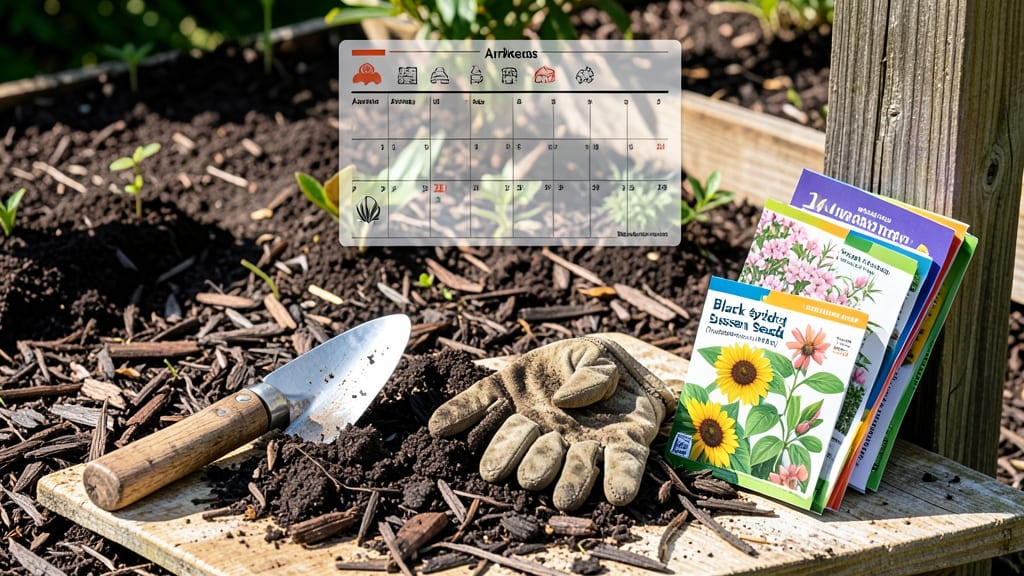
Timing your flower planting in Arkansas isn't just about throwing seeds in the dirt—it's about catching the perfect window between frost and heat to ensure those vibrant blooms you crave.
With USDA Zone 7A's unpredictable spring transitions, planting too early risks frost damage, while waiting too long can mean missing the ideal bloom season entirely.
If you've ever watched your 🌸 flowers wilt before they even had a chance to shine, you know how frustrating it can be. The key is understanding Arkansas's unique climate patterns—where late winter thaws can trick you into planting too soon, only for a surprise frost to strike.
But don't worry, I've got the inside scoop on when to plant for year-round color that will make your garden the talk of the neighborhood.
Whether you're dreaming of spring bulbs popping up in March or fall annuals lighting up your garden in September, I'll walk you through the exact planting schedule that works for Arkansas's 7a-8b zones.
We'll cover everything from when to start seeds indoors to the best times to transplant tender flowers, so you can avoid common mistakes and enjoy a garden that blooms beautifully all season long.
Ready to transform your Arkansas garden into a year-round paradise? Let's dive into the science-backed timing that will help you plant with confidence, whether you're a seasoned gardener or just starting your green thumb journey.
Arkansas flower planting calendar by season (zone 7A guide)
Arkansas’s USDA Zone 7A climate creates a unique challenge for gardeners—spring frost can linger until mid-March, while summer heat arrives early. To maximize your flower blooms, timing is critical.
Most annuals and tender perennials thrive when planted 4-6 weeks before the last frost, typically in late February to early April. For bulbs like tulips, fall planting in October-November ensures vibrant spring displays.
Understanding Arkansas’s microclimates is key—northern regions (like Bentonville) may experience frost until April 1, while southern areas (like Little Rock) often warm up by March 15. Adjust planting dates accordingly to avoid frost damage or heat stress.
Here’s your seasonal planting breakdown for Arkansas flowers, tailored to Zone 7A conditions:
| Season | Plant Type | Best Planting Months | Key Notes |
|---|---|---|---|
| Spring | Annuals (e.g., Marigolds, Zinnias) | Late Feb–Early April | Plant after last frost (typically March 15) |
| Spring | Perennials (e.g., Daylilies, Coneflowers) | Early March–Mid-April | Cold-hardy; tolerate light frost |
| Fall | Bulbs (e.g., Tulips, Daffodils) | October–November | Plant 6 weeks before first frost (usually Nov 15) |
| Late Summer | Heat-Tolerant Annuals (e.g., Sunflowers, Cosmos) | August–Early September | Avoid planting after September 10 for best blooms |
| Year-Round | Evergreens (e.g., Boxwood, Holly) | Fall or Spring | Plant in moist, well-draining soil; avoid summer heat |
For container gardening, start tender flowers like Petunias or Geraniums indoors 8-10 weeks before the last frost (around January). This head start ensures they’re bloom-ready by spring. Use grow lights if natural light is limited, as Arkansas’s short winter days can delay germination.
Summer planting in Arkansas requires caution. After mid-September, heat-sensitive flowers (like Impatiens) struggle to establish roots before fall frosts. Opt for native Arkansas flowers, such as Black-Eyed Susans or Butterfly Weed, which thrive in hot, humid conditions and tolerate late-season planting.
Pro tip: Use mulch (2-3 inches) after planting to retain soil moisture and regulate temperature fluctuations. In Arkansas’s clay-heavy soil, mix in compost to improve drainage and provide nutrients for vigorous growth. Avoid overwatering—root rot is a common issue in Arkansas’s humid summers.
Remember, Arkansas’s first frost typically arrives around November 15, but microclimates can delay it until December in sheltered areas. Plan accordingly for fall-blooming perennials like Astors or Chrysanthemums, which need time to establish before winter.
By following this seasonal guide, you’ll avoid the common mistakes of planting too early (frost damage) or too late (missed blooms). Arkansas’s diverse climate rewards gardeners who adapt their timing—so grab your gloves and get planting!
Best flowers for Arkansas’s climate and when to start them indoors
Arkansas’s USDA Zone 7A climate demands strategic planning for flowers that thrive in both mild winters and hot summers.
Some varieties, like black-eyed Susans and coneflowers, handle Arkansas’s heat and humidity with ease, while others, such as petunias and geraniums, need a head start indoors to escape late frosts. Timing your indoor starts right ensures vibrant blooms without wasting time or resources.
For cold-hardy perennials like daylilies and bee balm, you can sow seeds directly in the garden as early as February, once soil temperatures rise above 50°F.
However, tender annuals like marigolds or zinnias require 6-8 weeks of indoor growing before transplanting outdoors after the last frost date (March 15). Starting seeds indoors in January gives them the jumpstart they need to outpace Arkansas’s short growing season.
Here’s how to time your indoor starts for Arkansas’s top flowers:
- January: Start petunias, impatiens, and geraniums indoors under grow lights for 8-10 hours/day. These heat-lovers need early starts to avoid leggy growth.
- February: Sow coleus, basil, and snaps dragons indoors. Use seedling trays with well-draining soil to prevent damping-off disease in Arkansas’s humid conditions.
- March: Transition tomatoes and peppers (yes, they’re flowers too!) to larger pots and harden off seedlings for 10-14 days before planting outdoors after March 15.
- April: Direct-sow sunflowers and cosmos outdoors once soil warms to 60°F. These fast growers tolerate Arkansas’s heat and thrive with minimal care.
- May: Plant late-season bloomers like zinnias and marigolds for summer color. Succession plant every 2 weeks to extend blooms until frost.
Arkansas’s humidity and heat can stress young seedlings, so maintain consistent moisture and good airflow with small fans. Avoid overcrowding trays, as fungal diseases like powdery mildew thrive in Arkansas’s damp springs.
Once seedlings develop 2-3 true leaves, thin or transplant to 4-inch pots to give roots room to grow.
Pro tip: Use clear plastic domes or row covers to create a mini greenhouse effect for delicate seedlings. Remove them daily for hardening off starting in late February.
This mimics Arkansas’s unpredictable spring weather and prepares plants for outdoor conditions. Just remember—never let seedlings sit in cold drafts or direct sun without acclimation!
For bulbs like tulips and daffodils, plant them in fall (October-November) for spring blooms. Arkansas’s mild winters protect them from freezing, but avoid planting too early—they need chilling time to bloom. If you miss fall planting, store bulbs in a cool, dark place until next year.
With these timing tips, your Arkansas garden will burst with color from spring to fall, even with the state’s short growing season. Happy planting! 🌸