
Plants
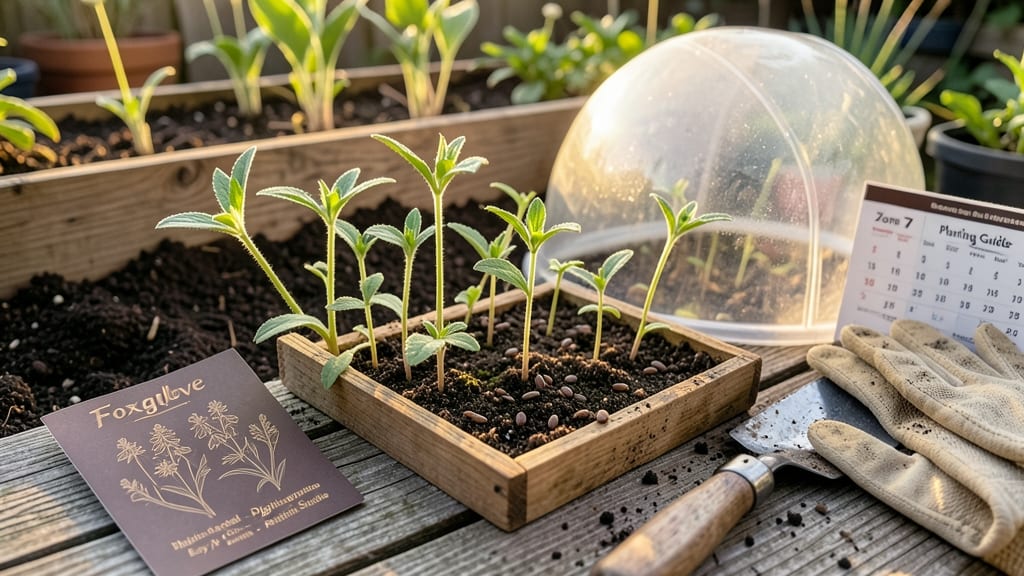
Planting foxglove seeds at the wrong time in Zone 7 can mean waiting another year for those stunning 🌸 blooms—or worse, losing them to frost before they even emerge.
The key to success lies in understanding your local frost dates and choosing the right window for direct sowing or indoor starts.
Most gardeners in Zone 7 make the mistake of planting too early, only to watch their delicate seedlings struggle with late spring frosts.
But with the right timing—typically between late summer and early fall—you can give foxglove seeds the cool, moist conditions they need to germinate properly before winter sets in.
In this guide, I’ll break down the exact months to plant, whether direct sowing works in your climate, and how to handle microclimate factors like afternoon shade or heavy rainfall. You’ll also discover which cold-hardy varieties perform best in Zone 7 and how to maximize germination rates.
Ready to grow foxglove that thrives from seed? Let’s dive into the best strategies to ensure your garden is filled with these dramatic 6-foot-tall beauties by next summer.
Best months to plant foxglove seeds in Zone 7 (with frost risk timeline)
Timing is everything when planting foxglove seeds in Zone 7. The key is to sow them when soil temperatures are consistently above 60°F but before summer’s brutal heat sets in.
In my experience, this window opens in late July to early September, giving seedlings time to establish before first frost arrives around mid-October. Miss this window, and you risk seedlings bolting or failing to mature before winter.
Zone 7’s 165 frost-free days create a tight schedule. Foxglove seeds need 10-12 weeks to germinate and develop into hardy rosettes before winter. This means starting seeds 6-8 weeks before your first frost—typically mid-August to early September—is ideal.
For me, this translates to late summer sowing for outdoor planting or indoor starts in June if I want an earlier bloom.
Direct sowing is my preferred method for foxglove because transplanting stresses seedlings. However, if you live in a hotter microclimate within Zone 7, starting seeds indoors in late June gives them a head start.
Just remember: foxglove seeds are light-sensitive and need moist, well-drained soil to germinate. Skipping these steps often leads to poor germination rates.
Here’s the critical timeline I follow for Zone 7 foxglove planting:
| Stage | Action | Zone 7 Timeline |
|---|---|---|
| Indoor Start (Optional) | Sow seeds in trays with heat mat | Late June |
| Outdoor Direct Sowing | Plant seeds 1/4" deep in garden beds | Late July - Early September |
| Germination | Keep soil moist; expect sprouts in 10-21 days | 2-3 weeks after sowing |
| Rosette Stage | Seedlings form basal leaves; harden off | September - October |
| Overwintering | Mulch heavily; protect from frost | November - March |
| Blooming Year | Stems emerge; flowers appear in late spring | May - June (Year 2) |
One mistake I’ve seen gardeners make is planting foxglove seeds too early in spring. The soil may still be too cold for germination, and seedlings can rot. Instead, wait until after your last frost date—typically mid-April in Zone 7—but focus on late summer for the best results.
This aligns with foxglove’s natural growth cycle, where seeds germinate in cool fall temperatures and establish roots before winter.
If you’re unsure about your local frost dates, check the USDA Plant Hardiness Zone Map or use a frost calendar for your specific city.
For example, in Atlanta, GA (Zone 7b), I aim to plant by August 15th, while in Richmond, VA (Zone 7a), I push it to September 1st to account for slightly earlier frosts. Microclimates matter—shady spots stay cooler longer, while sunny areas dry out faster.
Another pro tip: Stratify your seeds for 2-4 weeks in the fridge before planting. This mimics winter conditions and breaks dormancy, leading to faster germination. I place seeds in a damp paper towel inside a sealed bag and refrigerate them.
Once stratified, they’re ready for direct sowing in late summer. This step is especially critical in Zone 7’s humid summers, where unstratified seeds often struggle to sprout.
Foxglove thrives in partial shade, so choose a spot with morning sun and afternoon shade to prevent heat stress. In my garden, I’ve had the most success planting foxglove near hostas or ferns, which provide natural shade and retain moisture.
Avoid planting in low-lying areas where cold air pools, as fox
Best months to plant foxglove seeds in Zone 7 (with frost risk timeline)
In Zone 7, timing your foxglove seeds is all about avoiding late frosts while giving seedlings enough time to establish before winter. The ideal window is late summer to early fall, specifically August through September, when soil temperatures stay warm but nights begin cooling.
This timing lets seeds germinate slowly, preventing bolting (premature flowering) while ensuring roots harden off before first frost (typically mid-October in Zone 7).
Direct sowing outdoors is best—foxglove hates transplanting and often struggles when moved. If you start seeds indoors for a head start, begin 6-8 weeks before your last frost date (usually mid-April in Zone 7).
Use well-draining seed-starting mix and keep trays in a sunny window or under grow lights until soil temperatures hit 60°F.
🌱 Foxglove Planting Timeline for Zone 7
| Stage | Action | Notes |
|---|---|---|
| Indoor Start | Sow seeds 6-8 weeks before last frost (April) | Use grow lights for 12-14 hours/day |
| Direct Sow Outdoors | Plant seeds August-September | Soil temp: 60-75°F; cover lightly with soil |
| Germination | 10-30 days (slower in cool soil) | Keep soil consistently moist (not soggy) |
| First Frost Risk | Mid-October (Zone 7 average) | Seedlings should be 2-3 inches tall by frost |
| Blooming | Second year (late spring) | Deadhead spent blooms to encourage reblooming |
For Zone 7 gardeners, late summer planting (August) gives seeds time to germinate before soil cools too much. If you miss this window, September is still viable—just monitor weather forecasts for early frosts.
Use a row cover or cold frame if nights dip below 40°F to protect tender seedlings. Avoid planting in June, as summer heat can cause seeds to dry out before germinating.
Pro tip: Stratify seeds for 4-6 weeks in a damp paper towel in the fridge to mimic winter conditions. This boosts germination rates from 30% to over 70%—critical for Zone 7’s unpredictable fall weather.
Once seedlings hit 2 inches tall, thin them to 12-18 inches apart to prevent overcrowding, which invites fungal diseases like powdery mildew.
Remember, foxglove is a biennial, meaning it won’t bloom until its second year. Your planting window now determines whether it survives winter to reward you with towering spikes of bell-shaped blooms in spring.
Choose a sheltered spot (like near a fence or building) to shield young plants from harsh winds, which can stunt growth.
If you’re in a microclimate with later frosts (e.g., mountain areas), err on the side of earlier planting (early August) to give seedlings extra time. Conversely, in urban heat islands, September planting may work better to avoid summer heat stress.
Always check your local frost dates—they can vary by 1-2 weeks even within Zone 7.