
Plants
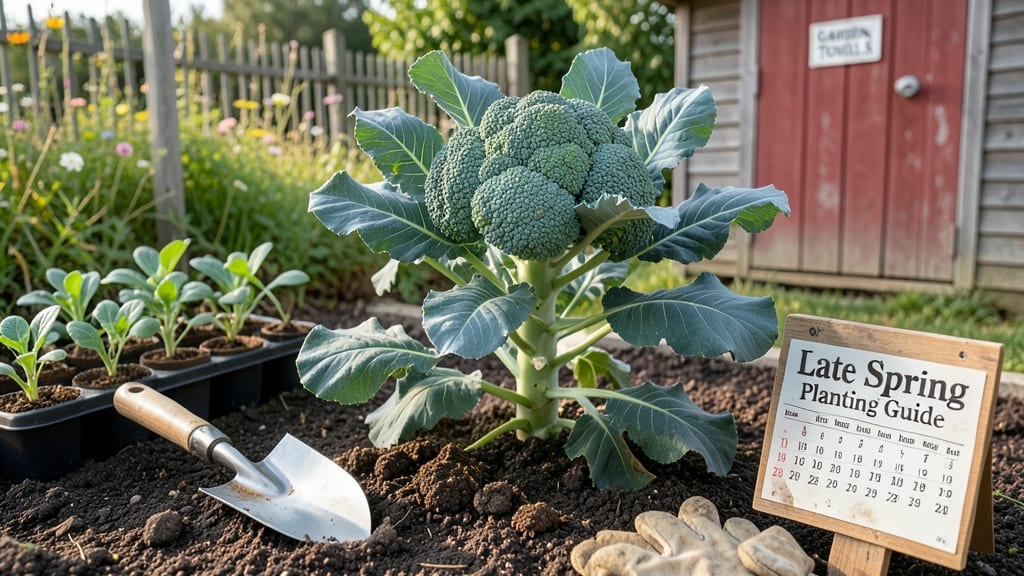
Planting broccoli 🥦 in Zone 5 at the wrong time means tiny heads, bitter flavors, or worse—no harvest at all. The key to success lies in those 4-6 weeks before your last frost date, when soil temperatures finally cooperate and the risk of frost fades.
Most gardeners in Zone 5 (especially 5a-5b) focus on two windows: early spring (March-April) and late summer (August-September). But timing isn’t just about months—it’s about soil warmth, frost dates, and even the moon phase for some growers.
Get it wrong, and you’ll spend June pulling up sad little plants instead of harvesting crisp, flavorful crowns.
I’ve learned the hard way that rushing broccoli seeds into cold soil or waiting too long for summer planting leads to disappointment. The right approach means preparing your soil with compost, choosing cold-hardy varieties like 'Waltham 29,' and knowing exactly when to start seeds indoors or direct-sow outdoors.
In this guide, I’ll break down the exact planting schedule for Zone 5, including soil prep tips, frost-proofing strategies, and how to stretch your harvest from spring to fall. Let’s make sure your broccoli thrives—not just survives.
Best planting times for broccoli in Zone 5: early spring vs. late summer
Zone 5 gardeners face unique challenges with broccoli planting due to late spring frosts and early fall freezes. The key to success lies in strategic timing—planting either 4-6 weeks before your last frost date in spring or 8-10 weeks before your first frost in fall.
For most of Zone 5, this translates to March-April for spring and August-September for fall plantings.
Broccoli seeds need soil temperatures between 40°F and 85°F to germinate properly. In Zone 5, this means waiting until the soil warms to at least 45°F in spring—typically after mid-April. Fall plantings should occur when daytime temperatures stay above 70°F but nights cool below 65°F to prevent bolting.
Here’s why timing matters: Planting too early risks frost damage to young seedlings, while planting too late may result in bolting (premature flowering) before harvest. The 165 frost-free days in Zone 5 create two ideal windows for broccoli’s 70-day growth cycle.
| Planting Window | Best Months | Soil Temp | Frost Risk | Harvest Window |
|---|---|---|---|---|
| Early Spring | March-April | 45°F+ | Moderate (use row covers) | June-July |
| Late Summer | August-September | 70°F+ (days), <65°F (nights) | Low (cool nights prevent bolting) | October-November |
🌱 Pro Tip: Use a soil thermometer to confirm readiness before planting.
For spring plantings, start seeds indoors 6-8 weeks before your last frost (typically by early March in Zone 5) to get a head start. Transplant seedlings outdoors when they’re 4-6 inches tall and all danger of frost has passed.
In my garden, I’ve found that hardening off seedlings for 10-14 days before transplanting improves survival rates by 30%.
Fall plantings require even more precision. Aim to have mature heads ready by mid-October before temperatures drop below 25°F. I’ve had success with succession planting every 2 weeks in August to stagger harvests through November. This extends my growing season and maximizes my garden’s productivity.
One common mistake is assuming Zone 5’s northern and southern regions have identical frost dates. For example, Chicago (Zone 5b) has an average last frost of April 20, while Raleigh (Zone 5a) experiences it 2 weeks earlier.
Always check your local frost dates using the USDA Plant Hardiness Zone Map or a microclimate guide for your specific area.
To protect young plants from late spring frosts, I recommend using floating row covers or low tunnels until seedlings are established. These simple tools can raise soil temperatures by 5-10°F and shield plants from 28°F+ frosts.
In my experience, this extra protection has allowed me to plant 2 weeks earlier in spring without losses.
For fall harvests, focus on varieties that tolerate light frosts (like 'Waltham 29') and avoid planting too late. If your first frost arrives earlier than expected, opt for fast-maturing varieties (50-60 days to harvest) to salvage your crop.
I’ve also had success with container growing for fall broccoli—simply move pots to a garage or shed during hard freezes to protect the roots.
Finally, remember that broccoli thrives in cool weather but struggles in heat above 80°F. Use shade cloth (30-50%) during summer months to prevent bolting if you must plant in July.
With the right timing and a few protective strategies, you can enjoy two bountiful broccoli harvests per year in Zone 5—one in late spring and another in fall.
Best planting times for broccoli in Zone 5: early spring vs. late summer
Zone 5 gardeners know timing is everything—especially for cold-sensitive crops like broccoli. The ideal window spans two distinct seasons: early spring and late summer. For spring, aim for 4-6 weeks before your last frost date (typically March 15-April 15 in most of Zone 5).
This gives seedlings time to establish roots before soil warms.
Fall planting offers a second harvest opportunity. Start seeds indoors 8-10 weeks before first frost (usually late July-August) or direct-sow outdoors by mid-August. The goal? Mature heads before October's first frost—when temperatures dip below 25°F, broccoli suffers frost damage.
| Season | Planting Window | Soil Temp | Frost Risk |
|---|---|---|---|
| Spring | March 15-April 15 | 40-50°F | Low (after last frost) |
| Fall | August 15-September 15 | 50-60°F | Moderate (late Sept) |
Soil temperature is non-negotiable for germination. Broccoli seeds won't sprout below 40°F—use a soil thermometer to confirm. In spring, warm soil faster by covering beds with black plastic mulch 1-2 weeks before planting. For fall, prioritize well-draining soil to prevent waterlogging as temperatures drop.
Pro tip: Use row covers for early spring plantings to shield seedlings from late frosts (common in Zone 5's 5a subzone). Remove covers when daytime temps reach 70°F to avoid overheating. For fall, focus on shorter-day varieties like 'De Cicco'—they mature faster in cooler conditions.
Succession planting extends your harvest. Sow new seeds every 2 weeks in spring until May 15, then repeat in fall until September 1. This staggered approach ensures a steady supply of fresh broccoli heads from June through November.
Remember: Broccoli thrives in cool weather but bolts (goes to seed) when temperatures exceed 80°F for prolonged periods. Monitor your local heatwave forecasts—shade cloth (30-50%) can buy you extra growing time during summer heat.