
Plants
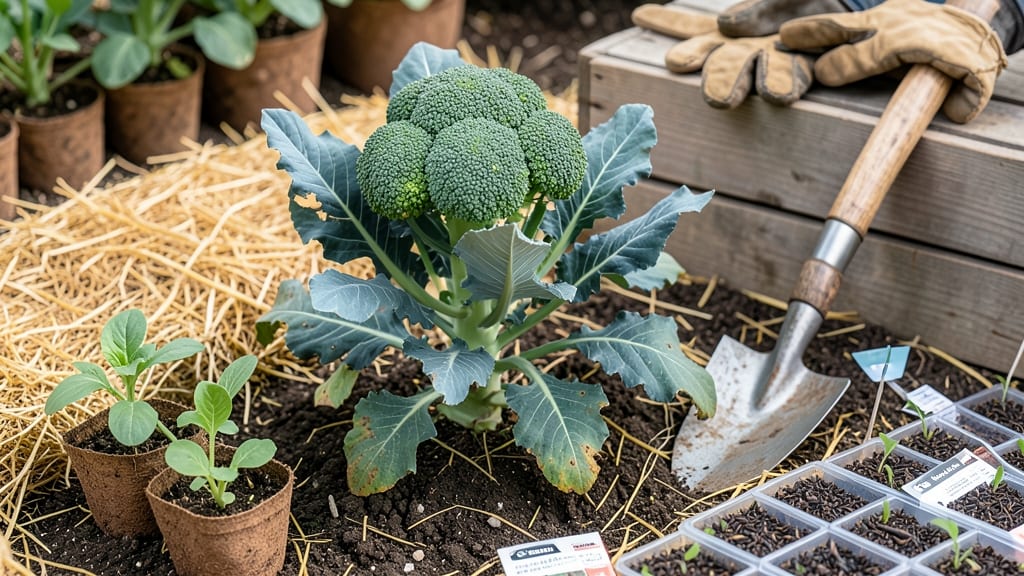
Planting broccoli in Massachusetts at the wrong time means watching frost turn your hard work into sad, wilted 🥦 ghosts—or letting summer heat send your plants bolting before they even form heads.
The key to success? Timing your spring and fall crops to match the state's unpredictable frost dates and short growing season.
Most gardeners in Zone 6a know the drill: mid-April to early June for spring plantings, and mid-August to early September for fall. But even a week off can mean the difference between a bumper crop and a disappointing harvest.
I'll break down exactly when to get those seeds in the ground—plus how to stretch your growing season for bigger, healthier plants.
Why does this matter? Because broccoli thrives in cool weather, and Massachusetts' climate swings from icy winters to sweltering summers. The right timing ensures your plants mature before the heat sets in or frost arrives.
Let's dive into the frost-free windows that work for your region, whether you're in Boston, Worcester, or the Cape.
You'll also discover how to prep your soil, choose the right varieties, and avoid common mistakes that derail even the most eager gardeners. Ready to grow broccoli that rivals the best farmers' market finds? Let's get started.
Massachusetts broccoli planting calendar: frost dates by Zone 5-6 regions
Massachusetts' cool climate and variable frost dates make timing critical for broccoli success. The average last frost in Boston occurs around April 15, while Cape Cod sees it slightly later, around May 1. These dates mark your planting window for both spring and fall crops.
For spring planting, aim to sow seeds 4-6 weeks before your area's last frost date. In Zone 5-6 regions like Worcester or Springfield, this means mid-March to early April for indoor starts or late April to early May for direct sowing outdoors.
Fall planting offers a second harvest opportunity. Start seeds indoors 8-10 weeks before your first frost date (typically October 15 in most of MA) or transplant seedlings in mid-August to early September for a late-season crop.
Cold-hardy varieties like 'Waltham 29' or 'Packman' tolerate light frosts, but avoid planting too early—soil temps below 40°F slow germination. Use row covers if early planting is unavoidable in colder microclimates.
| Region | Last Frost Date | First Frost Date | Spring Planting Window | Fall Planting Window |
|---|---|---|---|---|
| Boston | April 15 | October 20 | Late April - Early May | Mid-August - Early Sept |
| Worcester | April 20 | October 10 | Late April - Early May | Late July - Early Aug |
| Cape Cod | May 1 | October 5 | Early May - Mid-May | Mid-August - Late Aug |
Microclimates play a huge role in MA gardening. Coastal areas like Cape Cod have later frost dates, while inland regions like Pittsfield may experience frost even in June. Adjust your planting schedule by 1-2 weeks based on your specific location's history.
For extended harvests, plant 'Calabrese' varieties in early summer—they handle warmer temperatures better than traditional types. Pair this with succession planting every 2-3 weeks from April through July to keep a steady supply of fresh broccoli.
Always check soil temperature before planting—broccoli seeds need 40°F+ soil to germinate properly. Use a soil thermometer to avoid delays in your garden's productivity.
Pro tip: Mark your calendar for June 15—this is when many MA gardeners start their fall broccoli indoors. By August 1, you'll have sturdy seedlings ready for transplanting.
Remember, frost tolerance varies by variety. 'De Cicco' can handle 25°F temperatures, while 'Green Magic' bolts quickly in heat. Choose varieties that match your local climate and planting season for best results.
How to extend your broccoli harvest: succession planting tips for MA gardens
Massachusetts' short growing season doesn't have to limit your broccoli harvest. By using succession planting, you can enjoy fresh heads from late spring through fall.
The key is spacing out plantings every 2-3 weeks during the ideal windows: April through July for spring crops and August through early September for fall varieties like Calabrese. This method ensures continuous production while preventing bolting from heat stress.
Start with fast-maturing varieties like 'De Cicco' (58 days) for early harvests, then transition to medium-maturing types like 'Waltham 29' (65-70 days) as temperatures rise. For fall, choose cold-hardy varieties that tolerate light frosts, such as 'Packman' (60-70 days).
These varieties thrive in Massachusetts' cooler autumn temperatures, producing sweeter, tighter heads.
Here’s my proven succession planting schedule for maximum yield in MA gardens:
Proper soil preparation is non-negotiable for succession planting. Amend your garden beds with 2-3 inches of compost and a balanced fertilizer (10-10-10) at planting. Broccoli thrives in slightly acidic soil (pH 6.0-7.0), so test your soil in early spring.
If needed, adjust with lime (to raise pH) or sulfur (to lower pH) before planting.
Watering is another critical factor. Broccoli needs consistent moisture, especially during head formation. Use drip irrigation or soaker hoses to deliver 1-1.5 inches of water per week, focusing on the roots rather than the leaves.
Mulch with straw or shredded leaves to retain moisture and suppress weeds. This is particularly important in Massachusetts' variable spring rains and dry summer periods.
Don’t forget to harvest regularly to encourage side shoots. Cut the main head when it’s 4-6 inches wide, then watch for smaller "baby" heads that form on the sides. With these techniques, you can enjoy homegrown broccoli for nearly 6 months—from June through November! 🥦