
Plants
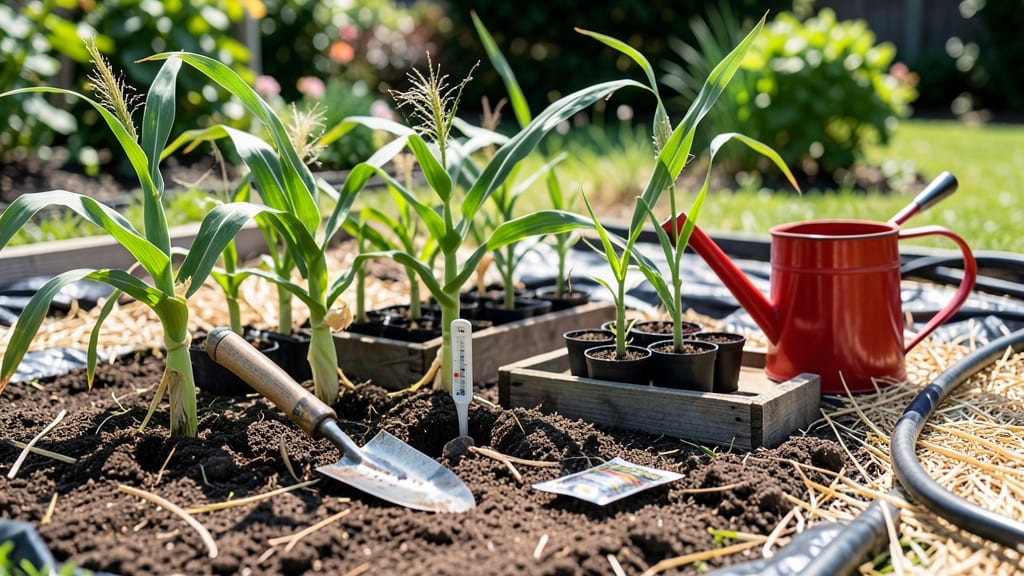
Planting corn in Zone 9 might seem tricky at first glance, but timing it right can mean the difference between a thriving 🌽 harvest and struggling seedlings.
The key is understanding when soil temperatures hit that sweet spot—typically between 60–85°F—to give your corn the best chance to thrive in the desert heat.
If you're in Zone 9 (think Southern California or Phoenix), the ideal window is late winter to early spring, around February through March. This timing lets you avoid the extreme heat of summer while still giving your corn enough time to mature before temperatures climb too high.
But here's the catch: Zone 9's unique microclimates mean your exact timing might vary slightly. Urban areas can stay cooler longer than rural spots, and desert lows might need a little extra protection.
I’ll walk you through how to adjust for your specific location and get the best harvest possible.
Ready to grow corn that’s sweet, plentiful, and perfectly timed? Let’s break down the exact steps to make sure your corn plants get off to a strong start—and stay that way through the growing season.
Best planting months for corn in Zone 9 (with heat-tolerant varieties)
Corn thrives in Zone 9’s warm climate, but timing is critical—plant too early, and seedlings burn in 90°F+ soil; wait too late, and you’ll lose your harvest window.
My ideal planting window is late February through April, when soil temperatures consistently reach 60–85°F and daytime highs stay below 95°F.
For sweet corn varieties, aim for March–April plantings to harvest before summer’s peak heat. Dent and popcorn can handle slightly later starts, but avoid planting after May 15—ear rot risks skyrocket when temperatures exceed 100°F.
Here’s my Zone 9 corn planting timeline broken down by variety and heat tolerance:
| Variety Type | Best Planting Month | Days to Maturity | Heat Tolerance | Soil Temp Requirement |
|---|---|---|---|---|
| Sweet Corn | March–April | 60–90 days | Moderate | 60–75°F |
| Dent Corn | April–May | 90–120 days | High | 70–85°F |
| Popcorn | March–April | 85–110 days | Very High | 65–80°F |
I always test soil temperature with a soil thermometer before planting—corn roots need consistent warmth to germinate. In desert Zone 9 (e.g., Phoenix), soil can hit 100°F by May, so I plant sweet corn in raised beds with black plastic mulch to regulate temperatures.
For succession planting, stagger seeds every 2–3 weeks through April to extend your harvest. This works best with short-season varieties like ‘Ambrosia’ (70 days) or ‘Golden Bantam’ (65 days), which mature before summer’s peak heat.
In coastal Zone 9 (e.g., San Diego), where summers are milder, you can push planting to late April. However, I avoid planting after May 1—even coastal areas experience heat spikes that stress corn plants.
Pro tip: Use a shade cloth (30–50%) over seedlings if daytime temps exceed 90°F. This buys you 1–2 extra weeks of safe growth before transitioning to full sun.
One common mistake? Planting directly in hot soil without pre-warming. I always soak seeds overnight in water to kickstart germination, then plant in moist, 60°F+ soil at 1–1.5 inches deep, 1 inch apart in rows 3 feet apart.
Remember: Corn is wind-pollinated, so plant at least 4 rows for proper cross-pollination. In urban gardens, I use tall trellises or stakes to support varieties like ‘Country Gentleman’ (10+ feet tall) and protect ears from earworm damage.
Best planting months for corn in Zone 9 (with heat-tolerant varieties)
Corn thrives in Zone 9 when planted during the cooler months—typically between February and April. The key is to start seeds when soil temperatures reach 60–85°F to avoid heat stress.
In desert areas like Phoenix, aim for late February to early March, while coastal regions (e.g., Southern California) can plant slightly later, around March to early April.
Zone 9’s long, hot summers make timing critical. Planting too early risks seedling rot from lingering moisture, while late planting may lead to stunted growth before harvest. For a successive harvest, stagger plantings every 2–3 weeks through April.
| Planting Window | Soil Temp (°F) | Heat Tolerance Tip | Best Varieties |
|---|---|---|---|
| Late February | 60–65°F | Use black plastic mulch | Peaches and Cream |
| March–April | 70–85°F | Shade cloth for seedlings | Silver Queen, Black Aztec |
| Early May (succession) | 75–80°F | Drip irrigation only | Golden Bantam |
For desert Zone 9 gardens, prioritize heat-tolerant varieties like ‘Peaches and Cream’ or ‘Black Aztec,’ which mature in 70–90 days. These varieties handle 90°F+ temperatures better than standard sweet corn. Always plant in well-draining soil amended with compost to retain moisture during dry spells.
If you’re in a coastal Zone 9 area (e.g., San Diego), you can extend planting into early May for a late-summer harvest. However, avoid planting after May 15—the heat will stress plants before they produce ears. Monitor soil moisture closely, as Zone 9’s drought conditions can quickly stunt growth.
Pro tip: Use a soil thermometer to confirm temperatures before planting. Corn seeds won’t germinate well below 60°F, even in heat-tolerant varieties. If your soil is too cool, opt for container growing with heated seedling mats to jumpstart germination.
Remember, Zone 9’s microclimates vary wildly. Urban areas may stay cooler than rural deserts, so adjust planting dates based on your specific location. Start with small batches to test what works best in your garden.