
Companion Plants
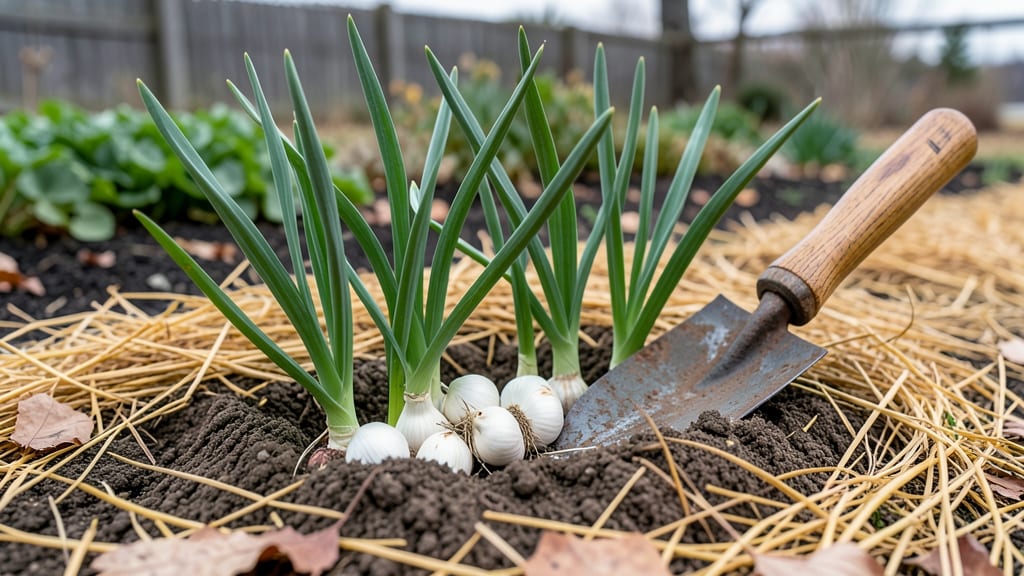
Planting garlic in North Dakota might seem tricky with its freezing temperatures, but timing is everything—and the key lies in fall planting for a thriving harvest.
The secret to success? Getting those cloves in the ground 4-6 weeks before the first hard frost, typically between mid-September and early October.
This cold-hardy crop actually needs winter’s chill to develop flavorful bulbs, making North Dakota’s climate surprisingly perfect when you know the right moves. Whether you’re a seasoned gardener or just starting, mastering this window ensures your 🧄 survives the snow and emerges stronger in spring.
I’ll break down exactly how to prep your soil, choose the toughest varieties for Zone 4a, and protect your garlic from winter’s worst—so you can enjoy homegrown bulbs by next summer. Let’s get those cloves planted the right way!
From mulching strategies to avoiding common mistakes, you’ll learn how to turn North Dakota’s short season into your garlic-growing advantage. Ready to grow bigger, healthier bulbs than ever before?
Best months to plant garlic in North Dakota for maximum survival & yield
North Dakota’s USDA Zone 3-4 climate demands precise timing for garlic planting—too early, and cloves rot; too late, and they fail to establish roots before winter. The ideal window is mid-September to early October, when soil temperatures drop below 60°F but before the first hard frost.
This timing ensures roots grow before freezing while allowing bulbs to mature by next summer.
For spring planting, aim for late March to early April—after the last frost date (around May 15 in most regions). However, spring-planted garlic often yields smaller bulbs due to ND’s short growing season. Fall planting remains the gold standard for larger, hardier bulbs.
Regional variations matter: Fargo and Grand Forks (Zone 4a) can plant slightly later than Bismarck and Dickinson (Zone 3b). Use your local NDAWN frost calendar to pinpoint your exact 4-6 week pre-frost window. For example, if your first frost hits September 15, plant by early August.
🌱
| Planting Window | Soil Temp | Key Action | ND Region Fit |
|---|---|---|---|
| Mid-September to early October | 50–60°F | Plant cloves 4" deep, 6" apart | All regions (Zone 3-4) |
| Late March to early April | 40–50°F | Use mulch for frost protection | Zone 4a only (Fargo/Grand Forks) |
| Early August (emergency) | 60–70°F | Prioritize hardneck varieties | Zone 3b (Bismarck/Dickinson) |
Soil preparation is just as critical as timing. Test your soil’s pH (6.0–7.0) and amend with compost to improve drainage—ND’s clay-heavy soils can suffocate garlic roots. Work in 1–2 inches of aged compost or well-rotted manure before planting to provide nutrients without burning tender cloves.
Mulching is non-negotiable in ND’s winters. After planting, apply 4–6 inches of straw or leaves to insulate bulbs from freeze-thaw cycles. Remove mulch in early spring (March) to prevent rot and encourage regrowth. For extra protection, use black plastic mulch in Zone 3b areas to capture heat.
Watering shifts with the seasons: water deeply once after planting in fall, then avoid irrigation until spring (ND’s winter snow provides moisture). Resume watering in April–May when shoots emerge, keeping soil consistently moist but not soggy.
Overwatering in summer can lead to mold and rot—a common issue in ND’s humid July.
Harvest timing depends on your planting window. Fall-planted garlic typically reaches maturity by mid-July to early August, while spring-planted garlic may need until late August. Watch for lower leaves turning brown and bulbs pushing through soil—these are your cues to dig.
Cure bulbs in a dry, shady, well-ventilated area for 2–3 weeks before storage.
🌿
Best months to plant garlic in North Dakota for maximum survival & yield
North Dakota’s short growing season and freezing winters demand precise timing for garlic planting. The golden window is mid-September to early October, when soil temperatures hover around 40-50°F—ideal for root establishment before winter.
This aligns with the 4-6 week rule before your area’s first hard frost, typically around September 15.
For spring planting (less common but possible), aim for March to early April—but expect smaller yields since garlic needs winter’s chill to develop properly. In Fargo’s Zone 4a climate, fall planting gives garlic the 120 frost-free days it needs to mature by harvest season.
Here’s how to align your planting with North Dakota’s regional variations:
| Region | Ideal Planting Window | Key Consideration |
|---|---|---|
| Fargo/Bismarck | Mid-Sept to Oct 1 | First frost: Sept 15 |
| Western ND (Dickinson) | Late Sept to Oct 10 | Drier soil; needs extra mulch |
| Eastern ND (Grand Forks) | Early Sept to Sept 25 | Wetter climate; avoid soggy soil |
Soil temperature is your best indicator—use a soil thermometer to confirm it’s below 50°F before planting. In warmer microclimates (like near buildings), you might push planting to early November, but this risks winter kill if frost arrives early.
Pro tip: Plant in raised beds if your garden soil stays too wet in spring. The drainage advantage helps bulbs form faster, even in North Dakota’s unpredictable thaw cycles. Just ensure beds get 6+ hours of sun daily—garlic won’t tolerate shade.
Timing isn’t just about months—it’s about preparing your soil 2-3 weeks before planting. Work in compost and a balanced 5-10-10 fertilizer to give roots a nutrient boost before winter sets in. This prep is your insurance against North Dakota’s unpredictable spring thaws.
Once planted, mulch heavily with straw or leaves (6+ inches) to insulate bulbs through -20°F temperatures. This winter protection is non-negotiable—without it, your garlic could heave out of the ground or rot.
With the right timing and care, you’ll harvest plump, flavorful bulbs by mid-July, proving North Dakota’s climate can work in your favor.