
Plants
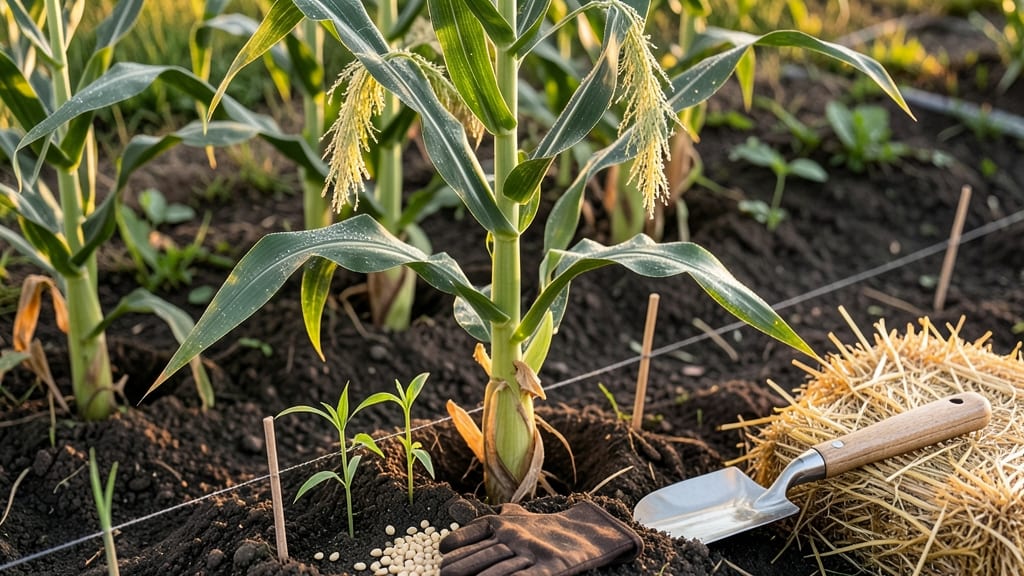
Planting corn in Zone 9b’s scorching heat isn’t just about throwing seeds in the dirt—it’s about timing it perfectly to beat the worst of the summer sun.
Unlike cooler climates, where corn thrives in spring, Zone 9b gardeners must work with a narrow window of 60°F+ soil temperatures to avoid stunted growth or rot. Miss this mark, and you risk watching your 🌽 stalks struggle under the desert sun.
Most gardeners in Phoenix or Southern California deserts swear by late winter to early spring planting, but here’s the catch: too early, and your corn sits in cool soil; too late, and the heat zaps its energy before harvest.
The key? Choosing heat-tolerant varieties like 'Pioneer Brand 39F53' and planting when the soil warms up—usually by mid-February to March—to ensure strong germination and a bountiful harvest by summer.
If you’ve ever stared at wilted corn plants in July and wondered what went wrong, you’re not alone. The solution isn’t just about the calendar—it’s about understanding your microclimate, soil prep, and even succession planting to stretch your growing season.
Let’s break down the exact steps to get this right the first time.
By the end of this guide, you’ll know not only when to plant corn in Zone 9b but also how to pick the best varieties, prep your soil, and avoid the common mistakes that turn sweet corn dreams into dusty stalks.
Ready to grow corn that actually thrives in the heat?
Best planting months for corn in Zone 9b (with heat-tolerant variety guide)
Zone 9b’s hot, dry climate demands precise timing for corn—plant too early, and cool soils cause rot; too late, and heat stress stunts growth. The ideal window is late February to early April, when soil temps hit 60°F+ consistently. This ensures strong germination before summer’s peak heat arrives.
For maximum yield, focus on heat-tolerant varieties like 'Pioneer Brand 39F53' (drought-resistant) or 'Golden Bantam' (sweet, compact). These varieties handle Zone 9b’s 100°F+ days better than standard types, which often bolt or develop poor ears in extreme heat.
Here’s the critical timeline for Zone 9b gardeners: Plant in March for a May-June harvest before summer’s worst heat sets in. For a fall crop, try late July plantings—though yields may be smaller due to shorter daylight.
🌽 Zone 9b Corn Planting Guide
| Planting Window | Soil Temp | Variety Recommendation | Harvest Time |
|---|---|---|---|
| Late February - Early March | 60°F+ | Pioneer Brand 39F53, Silver Queen | May - June |
| Late July - Early August | 70°F+ | Golden Bantam, Early Sunglow | September - October |
✅ Pro Tip: Test soil moisture daily—Zone 9b’s heat dries soil 3x faster than cooler zones.
If you’re new to Zone 9b gardening, avoid planting before February—cool nights and damp soils create perfect conditions for seed rot and fungal diseases. Instead, use black plastic mulch to warm soil faster if you’re eager to start earlier.
For succession planting, stagger seeds every 2-3 weeks in March to extend harvests. This works best with short-season varieties like 'Early Sunglow' (60-day maturity), which can mature before summer’s peak heat.
One common misconception is that corn can handle Zone 9b’s heat at any time—but pollination fails when temps exceed 95°F for prolonged periods. Choose early-maturing varieties to beat the heat, and water deeply at dawn to keep roots cool.
In urban gardens (e.g., Phoenix), microclimates vary drastically. If your area gets hotter than 105°F, opt for shade cloth during pollination (tasseling stage) to protect delicate flowers. This simple trick can double your yield in extreme heat.
Finally, don’t skip soil prep. Zone 9b’s sandy soils drain too quickly—amend with 3 inches of compost and organic mulch to retain moisture. A pH of 6.0-7.0 is ideal for corn, so test before planting.
With the right timing and varieties, you’ll enjoy sweet, plump ears instead of tough, heat-stressed stalks. Start with March plantings, monitor soil temps closely, and choose heat-tolerant seeds—your garden will thank you!
How to time your corn planting for maximum yield in Zone 9b’s heat
Timing your corn planting in Zone 9b isn’t just about avoiding frost—it’s about beating the 100°F+ heat that can stress young plants. Since Zone 9b has no frost risk, focus on soil temperature and microclimates instead.
Plant too early, and cool soils cause rot; too late, and heatwaves stunt growth before pollination. Here’s how to nail the perfect window.
Start by checking soil temperature—corn needs 60°F+ soil to germinate. In Zone 9b, this typically happens in late February to early March in inland areas (like Phoenix) but may shift to March to April in coastal regions (like San Diego).
Use a soil thermometer to confirm—if it’s below 60°F, wait a week or two.
For maximum yield, aim for a 90-day harvest window before summer’s peak heat. This means planting in March for a May-June harvest or in late summer (August) for a fall harvest before winter rains arrive. Succession planting every 2-3 weeks stretches your harvest and avoids gluts.
🌱 Key Steps to Time Your Planting
- ⏰ Step 1: Wait for soil temps ≥60°F (use a thermometer). In Zone 9b, this is usually late Feb–March.
- 🌡️ Step 2: Choose heat-tolerant varieties like 'Pioneer Brand 39F53' or 'Golden Bantam'—they handle 95°F+ days better.
- 📅 Step 3: Plant in blocks (not rows) to ensure cross-pollination. Space plants 12–18 inches apart in rows 30 inches apart.
- 💧 Step 4: Water deeply every 2–3 days to keep soil consistently moist (1–2 inches per week). Avoid wetting foliage.
- 🌿 Step 5: Use mulch (straw or grass clippings) to retain moisture and cool roots during heatwaves.
Zone 9b’s microclimates can shift planting times dramatically. For example, desert areas (Phoenix) may need earlier planting (Feb–March) to avoid extreme summer heat, while coastal areas (San Diego) can plant through April thanks to cooler ocean breezes.
Observe your garden’s shade patterns—south-facing beds heat up faster and may need shade cloth during germination.
Watch for heat stress signs like yellowing leaves or stunted tassels—these mean it’s too hot. If temps exceed 95°F for 3+ days, provide drip irrigation + shade cloth (30–50% shade) to protect young plants.
Mornings are the best time to water, as evening watering invites fungal diseases like corn smut.
Pro tip: Plant corn in raised beds filled with compost-rich soil to improve drainage and warmth. Add a 1-inch layer of compost at planting, then top-dress with balanced fertilizer (10-10-10) when plants reach 6 inches tall.
Avoid over-fertilizing—too much nitrogen leads to leafy growth at the expense of ears.