
Plants
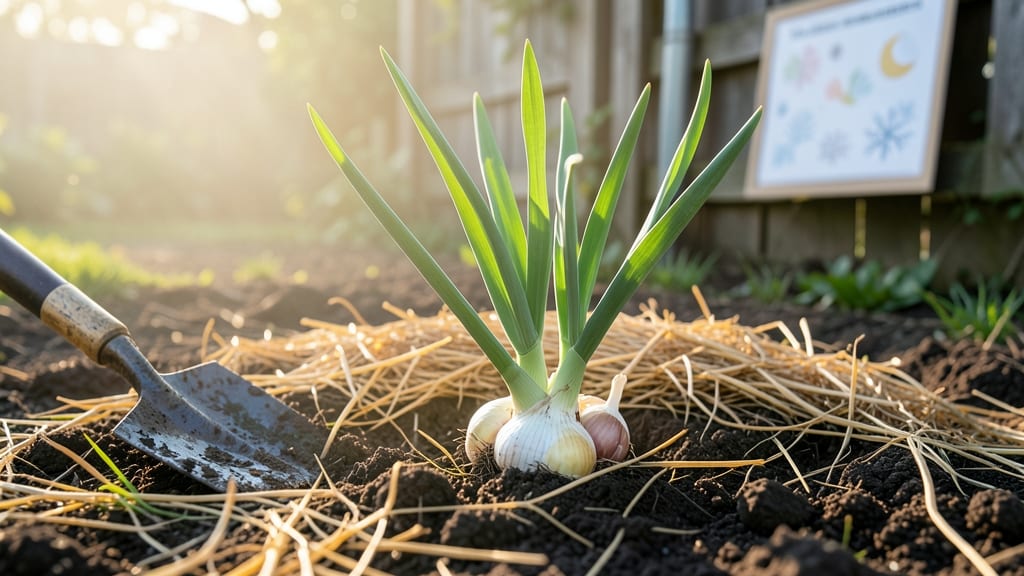
Timing your garlic planting in Adelaide isn't just about the calendar—it's about avoiding those sneaky early frosts that can turn your 🧄 dreams into disappointment.
The key window for planting is autumn, specifically between March and May, when soil temperatures are just right and the ground hasn't fully hardened for winter.
Why does this matter? Because Adelaide's Zone 8a climate plays tricks—too early, and your cloves might rot; too late, and they won't establish roots before the cold sets in. I've seen gardeners miss this sweet spot and end up with stunted growth or no harvest at all.
But when you get it right, you're looking at plump bulbs ready for harvest next late spring.
Let me show you exactly how to nail this timing, from preparing your soil to choosing the perfect variety for Adelaide's microclimates. We'll cover the 4-6 week rule before the first frost and why hardneck garlic thrives here better than softneck.
Trust me, these small adjustments make a huge difference in your yield.
Ready to grow garlic that actually pays off? I'll walk you through every step—so you can enjoy fresh harvests year after year without the guesswork. Let's get those cloves in the ground the smart way.
Best autumn planting windows for Adelaide garlic success
Timing your garlic planting in Adelaide is all about balancing soil temperatures, frost risk, and the unique microclimates across the city. Unlike colder regions, Adelaide’s USDA Zone 8a climate allows for a slightly extended planting window—but getting it wrong can lead to stunted bulbs or even total failure.
The ideal time to plant garlic in Adelaide is between mid-March and mid-May, when soil temps hover around 10–15°C (50–59°F).
This window ensures your garlic has enough time to establish roots before winter sets in, while also avoiding the risk of early frosts that can damage young plants.
In Adelaide, the first frost typically arrives around June 1, so planting too late (after early May) leaves garlic vulnerable to cold stress before it can properly bulb up. Conversely, planting too early (before March) can result in premature sprouting or weak growth due to warm soil conditions.
Here’s the breakdown: Hardneck varieties (like Music or German White) thrive when planted in late March to early April, while softneck varieties (such as Silverskin) can tolerate a slightly later window—mid-April to early May.
The choice depends on your harvest goals: hardnecks produce flavorful scapes but need colder winters, while softnecks store longer but prefer milder conditions.
Adelaide’s microclimates play a huge role in success. For example, areas like the Adelaide Hills experience earlier frosts and cooler soil, making late March planting ideal for hardnecks. Meanwhile, coastal suburbs like Glenelg or Seacliff can push planting to early May thanks to their milder winters.
Always check your local frost dates—the Bureau of Meteorology provides historical data that’s invaluable for planning.
If you’re unsure about your local frost risk, consider using a frost watch app or planting a test row in early April. This lets you monitor how your garlic responds to early autumn conditions before committing to a full bed.
Remember, garlic needs 6–8 weeks of cold temperatures (below 10°C/50°F) to properly bulb, so don’t rush the process.
Another pro tip: Adjust planting depth based on your soil type. In Adelaide’s clay-heavy soils (common in the north), plant cloves 1 inch deeper (about 2.5cm) to protect them from temperature fluctuations.
In sandy soils (like those in the south), stick to the standard 2-inch depth to prevent drying out.
Finally, don’t overlook the moon planting cycle, a trick many Adelaide gardeners swear by. Planting garlic during the waning moon (when the moon is shrinking) is said to encourage stronger root growth.
While not scientifically proven, it’s a low-risk way to align with natural rhythms—especially in a variable climate like Adelaide’s.
With the right timing and a little local know-how, you’ll be harvesting plump, homegrown garlic bulbs by late October—just in time for Adelaide’s famous garlic festivals! 🧄
Best autumn planting windows for Adelaide garlic success
Adelaide’s USDA Zone 8a climate means garlic thrives when planted in autumn (March–May), but exact timing depends on your microclimate. Coastal areas like Glenelg often have milder frosts, while inland spots like Parafield freeze earlier—so adjust accordingly.
The key is planting 4–6 weeks before the first frost, typically around mid-April for most regions. This gives roots time to establish before winter dormancy.
For hardneck varieties (like 'Silverskin' or 'Purple Stripe'), aim for late March–early April. These need cold exposure to form bulbs. Softneck varieties (like 'Artichoke') are more flexible and can go in until mid-May if your soil stays workable.
Check your local Bureau of Meteorology frost forecasts to fine-tune your schedule—Adelaide’s frosts can arrive as early as mid-June or as late as August.
If you miss the autumn window, don’t panic—June planting is still possible for softneck varieties, though bulbs may be smaller. The secret? Pre-warming cloves for 24 hours at room temperature before planting to jumpstart growth.
For hardnecks, late planting risks poor bulb development, so stick to the March–April window unless you’re in a coastal microclimate with delayed frosts.
Pro tip: Use clove size as a guide. Larger cloves (1.5–2 inches) planted in late March yield bigger bulbs, while smaller cloves can wait until early April. Sort your cloves before planting—this ensures uniform growth and harvest times.
Adelaide’s sandy soils drain quickly, so mulch heavily (straw or lucerne hay) to retain moisture during winter’s dry spells.
Remember, garlic needs 6–8 hours of sunlight daily, so choose a spot with full sun exposure. If your garden is shaded (e.g., under trees), prioritize hardneck varieties, which tolerate slightly less light.
Avoid planting near alliums like onions or leeks—garlic’s worst enemies are fungal diseases like white rot, which thrive in crowded allium beds.
Once planted, resist the urge to fertilize until spring. Garlic draws nutrients from the soil during dormancy, and autumn feeding can encourage leafy growth at the expense of bulb size.
Instead, focus on soil structure: Adelaide’s clay soils benefit from gypsum or compost to improve drainage, while sandy soils need organic matter to retain moisture. Aim for a pH of 6.0–7.0—test your soil with a DIY kit from garden centers like Bunnings or Mitchells.