
Plants
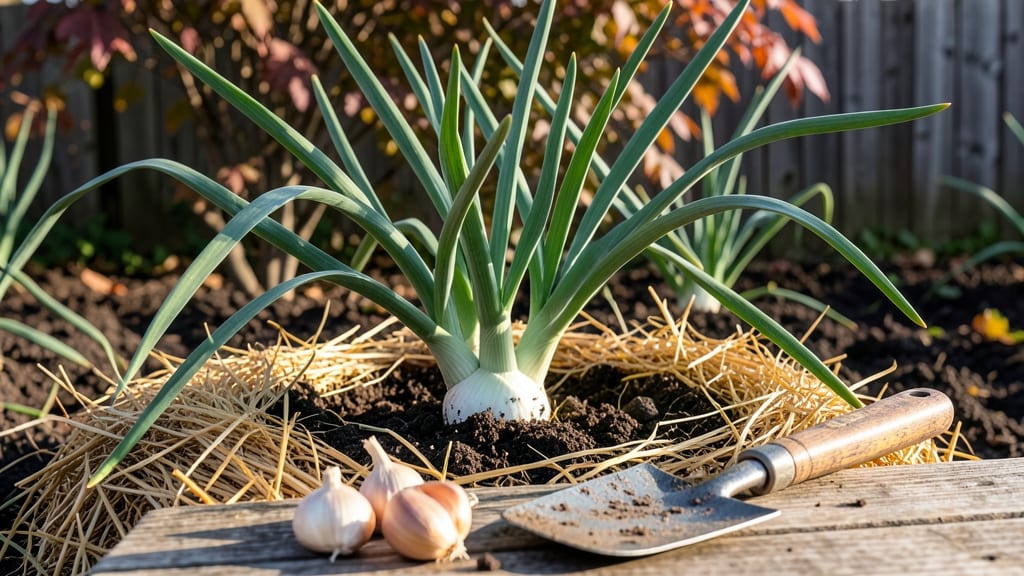
Planting garlic in Denver isn’t just about timing—it’s about mastering the 6a zone’s quirks to grow the biggest, boldest bulbs. The key? Getting those cloves in the ground 4-6 weeks before frost, when soil temps hover around 40°F—typically late October to early November.
Why this window? Denver’s high altitude and chilly winters demand patience—garlic needs cold dormancy to form strong roots, but too early, and your 🧄 cloves rot; too late, and they’ll bolt before harvest. Hardneck varieties, like the popular ‘German White,’ thrive here, while softnecks struggle with our shorter seasons.
You’ll also want to prep your soil with compost and avoid fertilizing after planting—garlic hates competition. Mulching with straw keeps moisture steady through Denver’s unpredictable springs, setting you up for harvest in June or July when those papery skins tighten around plump cloves.
Let’s break down the exact steps to time your planting for maximum yield, from soil tests to frost dates—so you’re not guessing when to tuck those cloves into the earth.
Best months to plant garlic in Denver for maximum yield
Denver’s USDA Zone 6a climate means garlic thrives best when planted in late fall, giving it time to establish roots before winter dormancy. The ideal window is between October 15 and November 15, when soil temps drop below 50°F (10°C) but before hard freezes.
This timing ensures hardneck varieties like 'Chef's Choice' or 'German White' develop strong bulbs over winter.
Why fall? Garlic needs 60-80 days of cold to form bulbs, and Denver’s chilly winters provide perfect conditions. Planting too early (like September) risks premature sprouting, while waiting until December may leave insufficient growth time before spring harvest. Aim for 4-6 weeks before ground freeze—typically mid-October in Denver.
Soil temperature is critical: 40-50°F (4-10°C) is ideal for planting. Use a soil thermometer to check—Denver’s high-altitude (5,280 ft) can make ground temps 5-10°F colder than lower elevations. If temps drop too fast, cover beds with straw mulch (4-6 inches) to insulate cloves.
Hardneck garlic, Denver’s best choice, requires cold stratification to bulb properly. Softneck varieties (like 'Silverskin') can also work but need earlier planting (September) and may struggle with Denver’s short growing season. Stick with hardnecks for hardier, flavorful results in the Mile High City.
📅 PRO TIP: Denver’s first frost usually hits October 15, but microclimates vary. Urban areas may frost 1-2 weeks earlier than suburbs. Monitor local forecasts to adjust your planting date.
| Planting Window | Soil Temp | Denver-Specific Note |
|---|---|---|
| October 15–31 | 40–50°F (4–10°C) | Best time—roots establish before freeze. |
| November 1–15 | 35–45°F (2–7°C) | Still viable if soil isn’t frozen; mulch heavily. |
| September 15–30 | 50–60°F (10–15°C) | Risk of premature sprouting; use for softneck only. |
| December 1+ | Frozen | Avoid—cloves won’t root before winter. |
Denver’s variable weather means soil moisture is just as critical as timing. After planting, water deeply (1 inch) to settle cloves, then reduce to weekly light watering until spring. Overwatering in fall can rot cloves before dormancy. Use a drip irrigation system to avoid soggy soil.
Hardneck garlic in Denver typically harvests in late June to July, but altitude delays maturity by 10-14 days compared to lower elevations. Watch for lower leaves browning while upper leaves stay green—a sure sign bulbs are ready. If you miss this window, bulbs may split or sprout prematurely.
For maximum yield, choose locally adapted varieties like 'Music' or 'Kelsae'. These hardnecks handle Denver’s cold snaps and short season better than commercial brands. Save seeds from your best bulbs for next year’s homegrown garlic—they’ll adapt even better to your microclimate!
🌱 Denver’s secret weapon: Black plastic mulch in spring warms soil faster, giving garlic a 2-week head start on growth. Try it if your area gets late frosts into May.
Best months to plant garlic in Denver for maximum yield
Denver’s cool, high-altitude climate demands precise timing for garlic success. The ideal planting window is mid-October to early November, when soil temperatures drop below 70°F but before hard frosts.
This timing ensures garlic establishes roots before winter dormancy. Hardneck varieties like ‘German Red’ or ‘Chesnok Red’ thrive in Denver’s zone 5-6 conditions.
Planting too early (September) risks premature sprouting, while waiting until December may leave garlic vulnerable to winter heaving from freeze-thaw cycles. Aim for 4-6 weeks before ground freeze, typically around October 15 in Denver.
For softneck varieties, late fall planting still works, but hardnecks—Denver’s best choice—need this early window.
| Planting Window | Soil Temp | Denver-Specific Tip |
|---|---|---|
| Mid-October | 60-70°F | Best for hardneck varieties; avoid early September sprouting |
| Early November | 45-55°F | Last chance before ground freeze; mulch heavily |
| Late September | 70-80°F | Risk of sprouting; only for softnecks |
| December | Frozen | Too late; garlic may heave from freeze-thaw |
Denver’s variable frost dates (average last frost: October 15) make timing critical. Use hardneck garlic exclusively—it’s adapted to Denver’s cold winters and produces scape shoots in summer. For maximum bulb size, plant when day lengths shorten to 10-12 hours, signaling garlic to bulb up.
Test soil readiness with a soil thermometer (aim for 50-60°F at 4" depth).
Microclimates matter in Denver! South-facing slopes warm faster, allowing 2-3 weeks earlier planting than north-facing gardens. If your yard has frost pockets, opt for late October planting and use row covers for protection.
Elevation also plays a role—gardens above 6,000 feet may need to plant 2 weeks later than lower areas to avoid early frosts.
After planting, mulch with straw (4-6 inches) to insulate bulbs through winter. This preserves moisture and prevents soil heaving. In USDA zone 6a, garlic can handle -10°F temps, but mulch extends cold tolerance.
Avoid synthetic mulches—they can smother garlic as it emerges in spring. Water deeply before freezing to establish roots.
Denver gardeners often ask: Can I plant garlic in spring? The answer is no for hardnecks. Spring-planted garlic produces smaller bulbs and may bolt in Denver’s hot summers. If you miss fall planting, save cloves for next year’s crop.
For year-round harvests, stagger plantings in October and November—this ensures a gradual harvest window from June to July.