
Plants
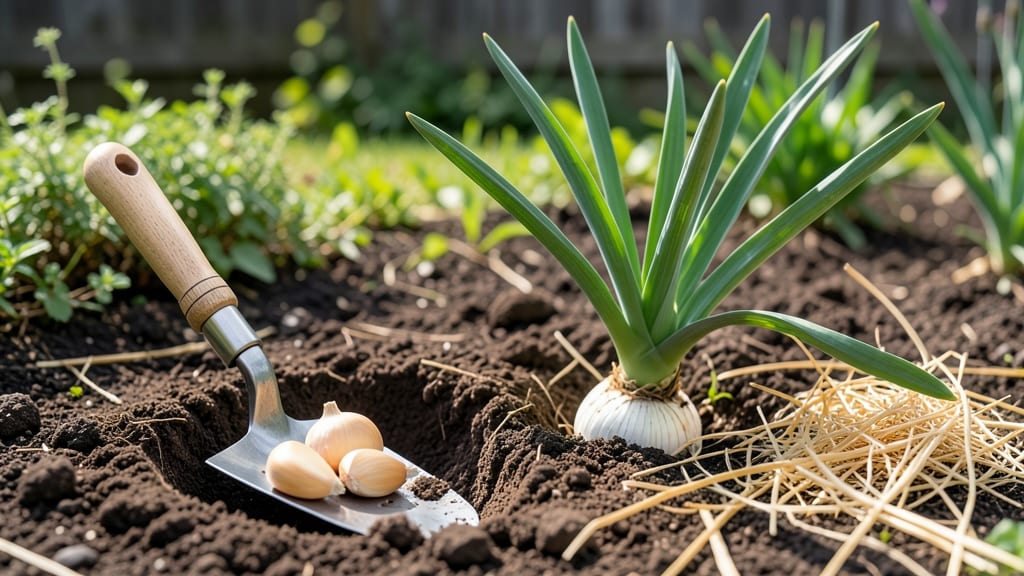
Planting garlic in San Diego at the wrong time could mean the difference between a bumper crop of plump 🧄 bulbs and a disappointing harvest—or worse, rotting cloves. Unlike colder climates, San Diego’s mild winters and frost-free zone 10a demand precise timing to avoid soggy soil and heat stress.
Most gardeners here swear by fall planting for hardneck varieties, but softneck garlic thrives with a slightly later start. The key? Getting cloves into the ground between October and December—when temperatures stay cool enough to prevent sprouting but warm enough to establish roots before summer’s heat arrives.
I’ve learned the hard way that rushing or delaying can backfire, especially with San Diego’s unpredictable coastal breezes and inland heat pockets. Whether you’re a first-timer or a seasoned grower, nailing the planting window is your first step toward garlic that rivals the flavors of a European market.
Let’s break down the best months for each variety, plus soil prep secrets to ensure your garlic thrives—no matter where you live in the county. Ready to grow the best 🧄 you’ve ever tasted?
Best planting months for garlic in San Diego by variety (hardneck vs softneck)
San Diego’s USDA Zone 10a/b climate lets you grow garlic year-round, but timing still matters. Unlike colder regions, you won’t need frost to trigger bulb formation, but cool winter nights (50-60°F) are essential for proper growth.
Hardneck varieties—like 'Silverskin' or 'Rocky'—thrive when planted in October or November, while softneck types such as 'Artichoke' do best in November or December.
Hardneck garlic needs 6-8 weeks of cold to form bulbs, so planting too late (after December) risks poor yields. Softneck varieties, however, are more adaptable and can handle milder winters, making them ideal for coastal San Diego where temperatures stay warmer.
Inland areas with cooler nights can push planting back slightly, but don’t wait past early January.
Here’s the key difference: Hardneck garlic relies on cold to develop scapes (the curly stems), while softneck garlic stores better long-term but needs consistent cool temps to bulk up. San Diego’s microclimates—like the cooler La Jolla hills vs. warmer Mission Valley—can shift ideal planting by 2-3 weeks.
| Variety | Best Planting Months | Why It Matters | Coastal Adjustment | Inland Adjustment |
|---|---|---|---|---|
| Hardneck (e.g., 'Silverskin', 'Rocky') | October–November | Needs 6-8 weeks of cool nights (50-60°F) for bulb formation | Delay by 1-2 weeks (warmer coastal temps) | Plant 1-2 weeks earlier (cooler nights) |
| Softneck (e.g., 'Artichoke', 'California Early') | November–December | More flexible; tolerates milder winters but needs consistent cool | Plant in December for best results | November planting works well |
| Both Varieties | Avoid after January | Risk of overheating and poor bulb development | Coastal areas can push to early February | Inland: January is cutoff |
For hardneck garlic, aim to plant by mid-November to ensure enough cool weather. If you’re in coastal Encinitas or Del Mar, where winters are milder, shift planting to late November. Inland areas like Escondido or Ramona can start as early as October for the same results.
Softneck garlic is more forgiving, but don’t wait past December 15—warmer winter temps can stunt bulb growth. If you miss the window, consider container gardening with a cooling mat or plant in shadier spots to mimic cooler conditions.
Pro tip: Use a soil thermometer to monitor temps. Ideal planting soil should be 60-65°F. If it’s warmer, wait 1-2 weeks or plant in afternoon shade to prevent overheating.
Harvest time for San Diego-grown garlic falls between April and June, depending on variety and planting date. Hardneck garlic often matures first (late April), while softneck may need until early June. Watch for lower leaves turning brown—this signals bulb readiness.
Remember: San Diego’s sandy soils drain quickly, so amend with compost or aged manure before planting. This ensures cloves have the nutrients they need during the 6-month growing cycle.
How to adjust planting for San Diego’s microclimates: coastal vs inland tips
San Diego’s diverse microclimates can make or break your garlic harvest. Coastal areas like La Jolla or Del Mar enjoy milder winters, while inland spots like Escondido or Ramona experience cooler nights and hotter days.
These differences mean your planting timeline should shift based on where you live—even if you’re just a few miles apart.
Coastal gardeners can often plant softneck garlic as late as early December, thanks to the ocean’s moderating effect. Inland growers, however, should aim for October planting to avoid heat stress during summer.
The key is to time it so garlic gets 60-80 days of cool weather before temperatures climb above 75°F.
Here’s how to fine-tune your approach based on your location’s unique conditions:
🌡️ San Diego Microclimate Adjustments
Pro Tip: Test your soil’s drainage—coastal areas often need amendments to prevent waterlogging.
Soil preparation is another critical factor. Coastal soils tend to be sandy and fast-draining, so mix in 2-3 inches of compost or aged manure before planting. Inland areas, meanwhile, may benefit from mulching with straw to lock in moisture during San Diego’s dry summers.
For those in valley areas like Chula Vista or El Cajon, consider using lightweight row covers in late spring to shield garlic from intense afternoon sun. This trick can extend your harvest window by 2-3 weeks, giving you bigger bulbs.
Finally, don’t overlook the benefits of elevated beds if your yard has poor drainage. Raised beds warm up faster in spring, which can help inland gardeners push planting into early November without risking rot. Just ensure your bed has drainage holes to avoid waterlogged roots.
With these microclimate tweaks, you’ll be well on your way to growing garlic that’s plump, flavorful, and ready for harvest—no matter where you live in the county. 🌱