
Plants
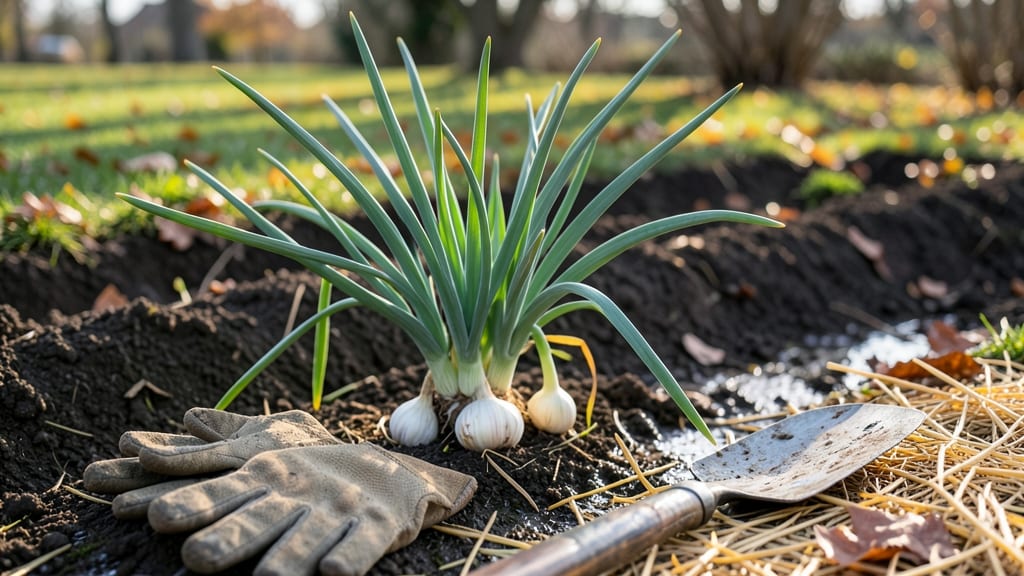
Planting garlic in Pennsylvania at the wrong time can mean the difference between a bountiful harvest of plump bulbs and a disappointing failure.
Unlike many vegetables, garlic thrives when planted in fall—but timing matters more than you might think, especially with hardneck and softneck varieties that each have their own ideal windows.
If you’ve ever wondered why some gardeners swear by October while others insist on November, it’s all about Pennsylvania’s unique climate zones (5b-7a) and how they interact with frost patterns.
The key is getting those cloves into the ground 4-6 weeks before the first hard freeze, so they establish roots before winter sets in. Miss that window, and you risk stunted growth or even total loss.
In this guide, I’ll break down exactly when to plant each variety—plus how to adjust for your specific corner of the state. Whether you’re a first-time grower or a seasoned gardener, these region-specific tips will help you avoid common mistakes and maximize your garlic’s potential.
Let’s get those 🧄 cloves in the soil at the perfect moment!
You’ll also discover how to prepare your soil, choose the right variety for your zone, and even troubleshoot if you’ve already missed the ideal planting window. By the end, you’ll know exactly when to plant for the best yields—no guesswork required.
Best planting months for garlic in Pennsylvania by variety type
Pennsylvania’s USDA zones 5b-7a create a unique challenge for garlic growers—hardneck vs. softneck varieties thrive on completely different planting schedules. Hardnecks need cold stratification to form bulbs, while softnecks prefer milder winters. Let’s break down the ideal planting windows for each type based on PA’s climate patterns.
For hardneck garlic (like ‘Music’ or ‘German White’), aim to plant 4-6 weeks before the ground freezes, typically between October 15 and November 15.
This gives cloves time to root before winter dormancy. In colder zones (like Erie or State College), push planting to mid-October to avoid frost damage.
Softneck varieties (‘Silverskin’ or ‘Artichoke’) are more forgiving—plant them 4-8 weeks later, from November 1 to December 15. These types store better and handle milder PA winters (like in Philadelphia or Lancaster) without needing extreme cold.
🌱 Pro Tip: Check your local first frost date (PA averages mid-October) and count backward to determine your window. Use Almanac.com for hyper-local data.
Garlic Planting Schedule by Variety in Pennsylvania
| Variety Type | Ideal Planting Window | Soil Temp Requirement | PA-Specific Notes |
|---|---|---|---|
| Hardneck (e.g., 'Music', 'German White') | October 15–November 15 | 40–50°F (4–10°C) | Needs cold stratification; plant early in northern PA (zones 5b-6a). |
| Softneck (e.g., 'Silverskin', 'Artichoke') | November 1–December 15 | 45–55°F (7–13°C) | Tolerates milder winters; ideal for southeastern PA (zones 6b-7a). |
| Spring-Planted (Either Type) | Early March–April 15 | 40–50°F (4–10°C) | Smaller bulbs; use for green garlic or if fall planting missed. |
Soil temperature is critical—garlic roots best when soil is between 40–55°F (4–13°C). Use a soil thermometer to confirm readiness. In western PA, where winters arrive earlier, prioritize hardnecks planted by October 1 to avoid frost heave.
If you’re in southeastern PA (like Reading or Allentown), you can extend softneck planting to early December, as milder winters reduce frost risk. However, never plant after December 15, or bulbs may not mature properly.
🌿 Regional Adjustments: Add 1–2 weeks to planting dates in mountainous areas (e.g., Poconos) due to earlier freezes. Coastal areas (e.g., Erie) can plant slightly later.
For spring planting (a backup option), plant as soon as soil is workable in early March. Bulbs will be smaller but still edible. This method works best for green garlic harvests in late spring.
✂️ Pre-Planting Prep: Break bulbs into individual cloves (leave papery skins on) and plant the pointy end up, 2 inches deep, and 6 inches apart. Space rows 12 inches apart for airflow.
How to adjust planting timing for Pennsylvania’s frost patterns
Pennsylvania’s variable frost dates mean your garlic planting window can shift dramatically from year to year. In USDA zones 5b-7a, average first frost arrives between October 15 and November 15, but early winters can push that to October 1.
Use these PA-specific adjustments to time your planting perfectly—whether you’re growing hardneck or softneck varieties.
For hardneck garlic, aim to plant 4-6 weeks before the ground freezes. In most of PA, this means October 15–November 1, but check your local Almanac frost dates for precision. If your area tends toward early freezes, plant by October 10 to avoid winter damage.
Softnecks, which need longer cold exposure, can go in until November 15–December 15—just be sure to mulch heavily.
Here’s how to test soil readiness before planting: Press your finger 2 inches deep into the soil. If it feels cool but workable (around 50–60°F) and drains well, your garlic is ready.
If the ground is still warm or soggy, wait 1–2 weeks. Pro tip: Use a soil thermometer for accuracy—garlic roots need consistent chill to form bulbs.
PA Frost Adjustment Checklist
- ☑️ Check your local first frost date (e.g., Pittsburgh: Oct 20; Philadelphia: Oct 30).
- ☑️ Plant hardneck garlic 4–6 weeks before frost (e.g., Oct 15–Nov 1).
- ☑️ Plant softneck garlic until Dec 15 with heavy mulch.
- ☑️ Test soil temperature (50–60°F) and moisture before planting.
- ☑️ Mulch with 4–6 inches of straw after planting.
If you’re planting in late fall (November–December), focus on soil protection. Use straw or leaves as mulch to insulate cloves from freeze-thaw cycles, which can heave them out of the ground.
For early spring planting (March), wait until soil temperatures rise above 40°F—colder soil can stunt root growth. In PA’s warmer southern regions (e.g., near Harrisburg), you might even squeeze in a late-spring planting by early April.
Watch for unexpected warm spells in winter. If temperatures climb above 40°F for more than 48 hours, garlic may sprout prematurely, weakening bulbs. If this happens, cover plants with row fabric or a cold frame to delay growth until spring.
Conversely, if winter is harsh and snowy, garlic will enter dormancy naturally—just ensure mulch stays in place to prevent soil heaving.
Remember: Cold stratification (60+ days below 40°F) is critical for bulb formation. In PA’s shorter winters, hardnecks may not get enough chill—consider winter mulching or planting in shadier microclimates (e.g., near north-facing fences) to extend the cold period.
Softnecks, which store better, are a safer bet for milder winters in southern PA.
Timing isn’t just about the calendar—it’s about reading your garden’s signals. Pay attention to soil temperature, frost forecasts, and your garlic’s growth stage. With these adjustments, you’ll harvest plump, flavorful bulbs every summer—no matter how unpredictable PA’s winters get. 🌱