
Plants
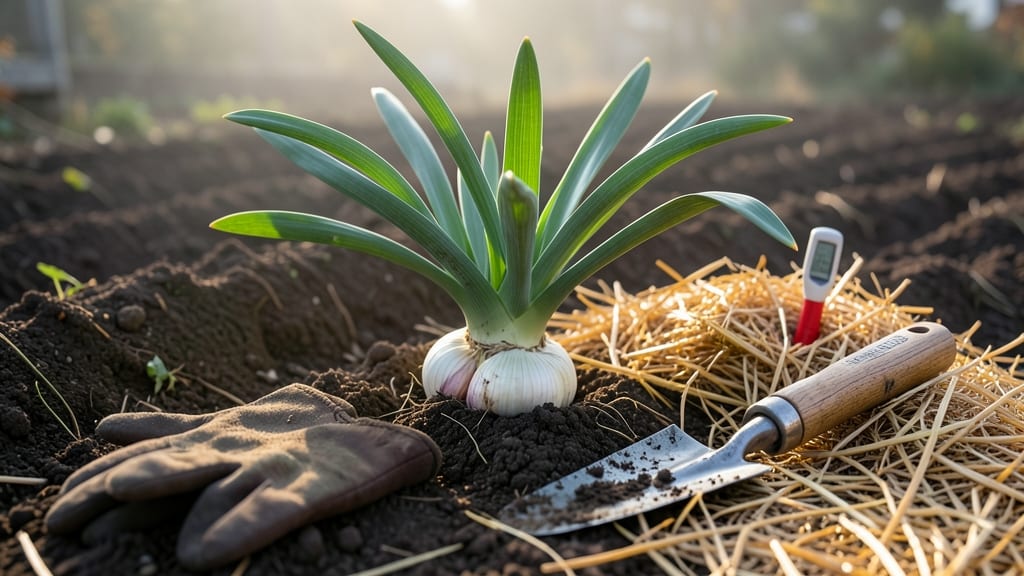
Planting garlic in Delaware at the wrong time could mean smaller bulbs or even total failure—but fall is your only shot at success. The key lies in getting those cloves into the ground 4-6 weeks before frost, when temperatures drop but the soil stays workable.
With Delaware’s USDA Zone 7a climate, your planting window is tight: aim for October to early November. Too early, and the garlic may sprout before winter; too late, and the roots won’t establish before freezing.
I’ll show you exactly how to nail the timing, plus how to prep your soil for maximum bulb growth.
Most gardeners overlook soil prep, but Delaware’s loamy or sandy soils need the right balance of organic matter and drainage. We’ll cover everything from clove selection to spacing, so you avoid common mistakes that ruin harvests. Ready to grow hardneck garlic like a pro?
By the time late June rolls around, you’ll be pulling plump, flavorful bulbs straight from your garden. Let’s break down the steps so your garlic thrives from planting to harvest—without the guesswork.
Optimal fall planting dates for garlic in Delaware’s climate zones
Delaware’s moderate climate and USDA Zone 7a create perfect conditions for growing hardneck garlic, but timing is everything. Planting too early or late can stunt root development before winter dormancy, leading to smaller bulbs or even crop failure.
The ideal window is 4-6 weeks before the first hard frost, which typically falls between October 15 and November 15 across most of the state.
Northern Delaware, including areas like Wilmington and New Castle, tends to experience frost slightly earlier, often by mid-October. Meanwhile, southern regions like Dover and Rehoboth Beach can safely plant until early November.
Coastal areas may face salt spray risks, so choose salt-tolerant varieties or plant slightly inland for better success.
To pinpoint the best time for your location, check the average first frost date for your specific county. For example, New Castle County usually sees frost by November 1, while Sussex County can extend planting until November 10.
Use this rule of thumb: plant garlic when soil temperatures drop to 40-50°F—this ensures roots establish before dormancy.
🌱 Delaware Garlic Planting Timeline
| Region | Ideal Planting Window | Soil Temp Goal | Key Consideration |
|---|---|---|---|
| Northern Delaware (New Castle, Kent) | October 15 - November 1 | 40-50°F | Earlier frost risk; prioritize root establishment |
| Central Delaware (Wilmington, Dover) | October 20 - November 5 | 40-50°F | Moderate climate; flexible window |
| Southern/Coastal Delaware (Sussex) | October 25 - November 10 | 45-55°F | Salt spray risk; plant inland or use tolerant varieties |
If you miss the ideal window, don’t panic—you can still plant into early December, but yields may be smaller. The key is ensuring garlic has 6-8 weeks of root growth before the ground freezes solid.
For example, if your area’s first frost is November 15, aim to plant by October 1 to give roots time to establish.
For hardneck garlic, which is best suited for Delaware’s climate, focus on varieties like ‘Music’ or ‘German White’. These types thrive in cold winters and produce hardneck stalks for braiding, adding value to your harvest.
Avoid softneck garlic, which prefers milder winters and is less productive in Delaware’s zone.
Use a soil thermometer to confirm temperatures are in the 40-50°F range before planting. Cold soil can delay germination, while soil that’s too warm may cause cloves to sprout prematurely. If your soil runs warmer, wait a few days or plant in a slightly shaded spot until temperatures drop.
After planting, mulch with 2-3 inches of straw to insulate the soil and protect cloves from freeze-thaw cycles. This is especially critical in northern Delaware, where temperature swings can damage emerging roots. Remove mulch in early spring once new growth appears.
Delaware’s loamy soils are ideal for garlic, but if your garden is sandy or clay-heavy, amend with compost or aged manure to improve drainage and nutrient retention. Well-draining soil prevents rot and ensures bulbs develop properly over the winter months.
Finally, mark your planting rows with stakes or flags to avoid disturbing the soil in spring. Garlic is a low-maintenance crop once planted, but accurate records help you track growth stages and adjust care as needed.
With the right timing, your Delaware garlic will reward you with plump, flavorful bulbs ready for harvest in late June or July.
Optimal fall planting dates for garlic in Delaware’s climate zones
Delaware’s USDA Zone 7a climate gives you a narrow but critical window to plant garlic—typically between mid-October and early November. This timing ensures garlic cloves establish roots before the ground freezes, allowing them to overwinter successfully.
Northern Delaware tends to freeze earlier, while southern and coastal areas may have slightly later frost dates.
For most of Delaware, aim to plant 4-6 weeks before the first hard frost (usually around November 1). If you plant too early, garlic may sprout and get damaged by early cold snaps. Too late, and the roots won’t have time to anchor before winter dormancy begins.
Coastal areas like Rehoboth Beach or Lewes often experience milder winters, extending your planting window into early December. Inland regions like Wilmington or Newark should stick to October for safety.
| Zone/Region | Ideal Planting Window | Soil Temp Goal | Key Consideration |
|---|---|---|---|
| Northern Delaware (e.g., Wilmington) | Mid-October to late October | 45-55°F | Early frost risk; prioritize root establishment |
| Southern Delaware (e.g., Dover) | Late October to early November | 40-50°F | Moderate frost; slightly later window |
| Coastal Delaware (e.g., Rehoboth) | Early November to mid-November | 35-45°F | Milder winters; extended window |
Check your local frost dates using the National Weather Service or Old Farmer’s Almanac for precision. If you’re unsure, err on the earlier side—garlic planted too late may not develop strong roots before winter.
Once planted, mulch with straw or leaves (3-4 inches thick) to insulate the soil and protect cloves from freezing. Remove mulch in early spring to allow soil warming and regrowth.
With the right timing, your garlic will emerge in late winter, sending up green shoots by March. By June, you’ll be harvesting plump bulbs ready for braiding or storage!