
How To
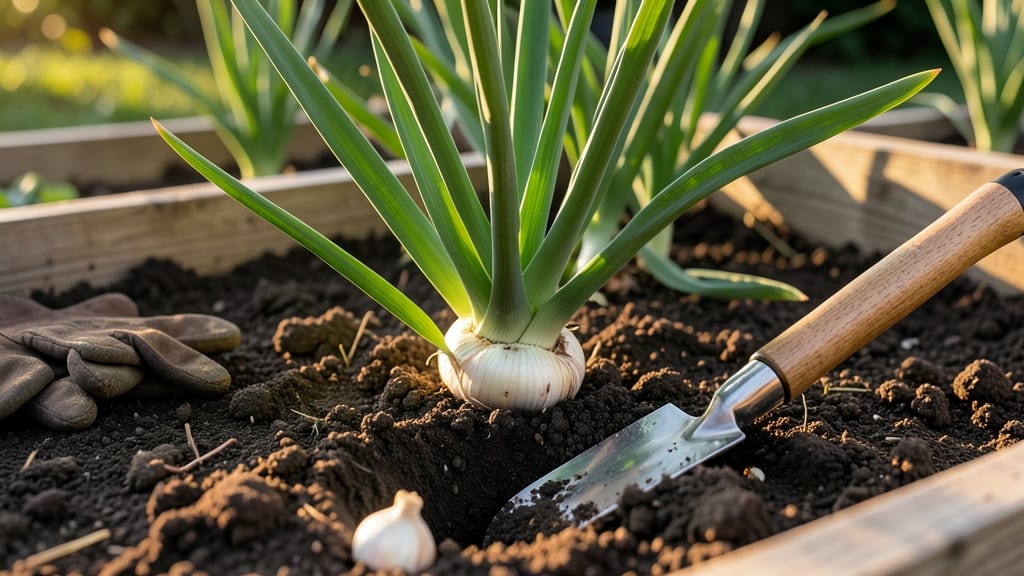
Planting garlic in the fall is your secret weapon for bigger, healthier bulbs—but get the timing wrong, and you’ll end up with rot or stunted growth. The key? Knowing exactly when to tuck those cloves into the soil so they root before winter sets in.
Whether you’re in Zone 6a or beyond, this month-by-month guide will help you plant 🧄 garlic at the perfect moment for maximum yield.
Most gardeners assume fall planting is a one-size-fits-all approach, but the truth is, your location dictates everything. Too early, and your garlic will sprout before winter; too late, and it won’t establish roots before the ground freezes.
I’ve tested the best windows across climates, so you don’t have to guess—just follow the 6-8 week rule before your first frost.
Once you’ve nailed the timing, the real magic happens in the details: soil prep, spacing, and depth. A little extra care now means fewer pests, stronger growth, and bulbs that’ll impress at your farmers’ market.
Let’s break down the exact steps to set your garlic up for success—so you can harvest plump, flavorful cloves next summer.
From mulching to frost protection, I’ll cover everything you need to know to keep your garlic thriving through winter. By the time spring rolls around, you’ll have a head start on a bumper crop. Ready to plant with confidence? Let’s get started.
Fall garlic planting schedule by month: best times for hardneck varieties
Timing your garlic planting is critical for bulb development. Hardneck varieties need 6-8 weeks before ground freezes to establish roots. Miss this window, and you’ll risk rot or poor yields. Here’s my month-by-month breakdown for USDA Zones 3-9, tailored to northern and southern climates.
In Zone 3-5, aim for September 15-October 15—soil temps should be 40-50°F. Zones 6-8 can plant until November 1, while Zone 9+ has until December 1. Use your first frost date as your deadline: plant 6 weeks before it arrives.
Soil temperature is more important than air temperature. Use a soil thermometer to confirm 40-50°F—garlic roots won’t grow below 32°F. If temps drop too fast, delay planting until conditions stabilize.
Northern climates (Zones 3-5) should prioritize early September planting. Southern zones (6-9) can wait until October-November, but avoid planting after Thanksgiving—roots won’t establish before winter.
| USDA Zone | Ideal Planting Month | Soil Temp Range | Last Planting Deadline |
|---|---|---|---|
| 3-4 | September 1-15 | 40-50°F | October 15 |
| 5-6 | September 15-October 1 | 40-50°F | November 1 |
| 7-8 | October 1-15 | 45-55°F | November 15 |
| 9-10 | October 15-November 15 | 50-60°F | December 1 |
🌡️ Pro Tip: Check your local frost dates—plant 6 weeks before the first frost.
For northern gardeners, late September is ideal. If you’re in Zone 4-5 and soil temps drop below 40°F before October, wait until next year. In Zone 6-7, early October is perfect—roots will establish before winter sets in.
Southern gardeners in Zones 8-9 have flexibility until December 1, but avoid planting after Thanksgiving. If your winters are mild, you can push it to early January, but yields may suffer. Always prioritize soil temperature over calendar dates.
If you’re unsure about your USDA Zone, use the USDA Plant Hardiness Zone Map to find your exact location. Even a one-zone difference can change your planting window by 2-3 weeks.
For example, Zone 5 gardeners plant in late September, while Zone 6 can wait until early October.
Remember: Garlic planted in fall develops larger bulbs than spring-planted varieties. The cold winter triggers bulb formation, so don’t skip this step! Once planted, focus on mulching to insulate roots and protect against freeze-thaw cycles.
For container gardeners, follow the same monthly guidelines but use larger pots (12+ inches deep). Containers warm up faster, so monitor soil temps closely—they may need earlier planting than in-ground garlic.
Now that you’ve nailed your planting timeline, let’s dive into the step-by-step process to ensure your garlic thrives from fall to harvest. 🌱
Step-by-step guide to planting garlic for maximum yield
Planting garlic correctly in fall sets the stage for large, flavorful bulbs next summer. Start by selecting plump, disease-free cloves from hardneck varieties like 'Music' or 'German White'. Break apart bulbs carefully—each clove becomes a new plant, but avoid damaging the papery skin that protects the root end.
Next, prepare your soil by amending it with compost or well-rotted manure to improve drainage and fertility. Garlic hates soggy conditions, so avoid planting in low spots where water pools. Aim for loamy, slightly acidic soil (pH 6.0-7.0)—test your soil if you’re unsure how to adjust it.
🌱 Step-by-Step Planting Checklist
- Select cloves: Choose largest, healthiest cloves from hardneck varieties
- Soil prep: Loosen soil to 12" deep, mix in compost
- Spacing: 4-6" apart in rows 12" apart
- Depth: Pointy end up, 2" deep
- Water: Deep soak immediately after planting
- Mulch: Apply 2-4" straw or leaves after frost
When planting, space cloves 4-6 inches apart in rows that are 12 inches apart. This gives roots room to spread without competing. Place each clove pointy-end up and 2 inches deep—deeper in heavy clay, shallower in sandy soil.
A simple trick? Use a wooden dowel or your finger to make a hole just deep enough to cover the clove.
After planting, water deeply to settle the soil around the cloves. This helps eliminate air pockets and encourages root growth. Avoid overwatering—garlic needs consistent moisture but hates soggy soil. In regions with mild winters, like USDA Zone 7-9, water lightly every 2-3 weeks until the ground freezes.
Label your garlic beds now—by next summer, you won’t remember which variety you planted! Use biodegradable labels or a simple stick with the name written in pencil. This prevents accidental harvesting of green garlic (young shoots) instead of bulbs.
Finally, protect your garlic from winter heaving (when soil freezes and thaws, pushing plants out). Apply a 2-4 inch layer of straw or leaves after the first hard frost. This insulates the soil, keeps temperatures stable, and prevents bolting (premature flowering) in spring.