
Planting
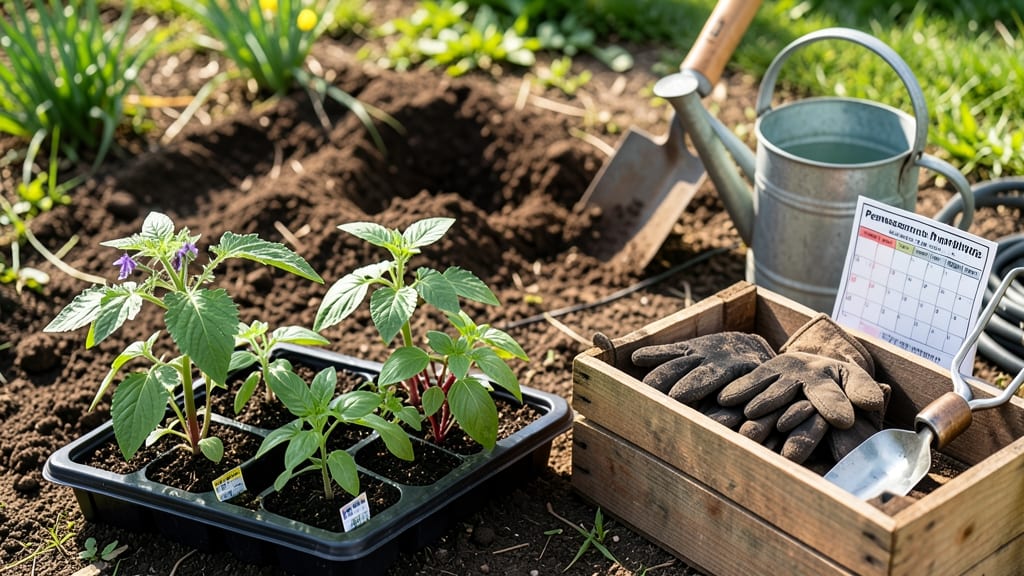
Planting your garden at the wrong time in Pennsylvania can mean the difference between a bountiful harvest and wasted effort—especially when frost dates vary wildly from the Keystone State’s northern forests to its southern valleys.
I’ve spent years tracking soil temperatures and frost patterns across PA’s USDA zones 5b through 7a, and the key to success isn’t guessing—it’s knowing exactly when to sow seeds or transplant seedlings for your specific region.
Whether you’re in the cooler mountains or the warmer Piedmont, timing matters more than you think.
In this guide, I’ll break down the frost-free timeline you need to plant everything from cool-season greens to heat-loving tomatoes, plus how to adjust for unpredictable weather. No more second-guessing—just a clear, zone-specific roadmap to get your garden off to the best start.
Ready to stop playing the frost lottery? Let’s dive into the exact dates and strategies that’ll turn your Pennsylvania garden into a thriving success this season.
Pennsylvania planting zones: key dates for frost-free seasons by region
Pennsylvania spans USDA hardiness zones 5b through 7a, meaning your planting timeline varies dramatically from the Poconos (zone 5b) to southeastern PA (zone 7a). These zones dictate when to plant cool-season crops like spinach and warm-season favorites like tomatoes, with frost dates acting as your garden's calendar.
Understanding your zone helps avoid late spring frosts that can kill seedlings or early fall freezes that cut harvests short. For example, zone 5b gardeners have only 120-140 frost-free days, while zone 7a enjoys 180-200 days—a 60-day difference that impacts what you can grow!
Here's how to use this table: Match your county to the average last frost date (spring) and first frost date (fall). These dates mark your planting windows for seeds and transplants, with adjustments for high-elevation areas (like State College) that frost earlier.
Pro tip: Use a soil thermometer to confirm warmth—50°F+ for peas, 60°F+ for tomatoes—before planting warm-season crops, even if the calendar says it's time.
| Zone | Region | Avg Last Frost (Spring) | Avg First Frost (Fall) | Cool-Season Planting | Warm-Season Planting |
|---|---|---|---|---|---|
| 5b | Poconos, Erie | May 10–15 | Oct 1–5 | Mar 15–Apr 15 | May 20–Jun 1 |
| 6a | State College, Harrisburg | May 1–5 | Oct 10–15 | Mar 20–Apr 10 | May 10–May 25 |
| 6b | Lancaster, York | Apr 25–May 5 | Oct 15–20 | Mar 25–Apr 15 | May 1–May 15 |
| 7a | Philadelphia, Reading | Apr 15–20 | Oct 25–Nov 1 | Apr 1–Apr 15 | Apr 20–May 10 |
🌱 Note: Adjust dates 1–2 weeks earlier for lowland areas (warmer) or later for mountains (cooler).
For cool-season crops like kale or carrots, start seeds 4–6 weeks before your last frost date. In zone 5b, that means mid-March for early harvests, while zone 7a gardeners can wait until early April.
Warm-season crops—think tomatoes, peppers, and cucumbers—need soil temps above 60°F and should be planted 2 weeks after your last frost. In the Poconos (zone 5b), that’s late May, but in Philadelphia (zone 7a), you can start as early as mid-April.
Don’t forget perennials and shrubs! Plant them in early spring (April) when soil is workable but before bud break, or in fall (October) to establish roots before winter. Bulbs like tulips go in October for spring blooms.
Use these dates as a starting point, but always monitor
Best month-by-month planting schedule for Pennsylvania gardens
Pennsylvania’s month-by-month planting schedule varies dramatically between USDA zones 5b-7a, but these general guidelines will help you time your plantings perfectly. For cool-season crops like lettuce and peas, start in early spring, while warm-season favorites like tomatoes and peppers need to wait until after the last frost.
In March and April, focus on cold-hardy vegetables and perennials. These months are ideal for sowing seeds indoors or directly into the garden for spinach, kale, and broccoli.
By mid-May, most of Pennsylvania has warmed enough for transplanting seedlings like peppers and eggplants, though high-elevation areas may need to wait until June.
🌱Here’s your month-by-month breakdown—adjust based on your specific zone and microclimate:
For high-elevation areas (like the Poconos or Allegheny Mountains), delay warm-season planting by 2-4 weeks to avoid late spring frosts. Use row covers to extend the season for early or late plantings.
🌿Pro tip: Always check your local frost-free dates using the USDA Plant Hardiness Zone Map or your county extension office. Adjust for microclimates—urban areas may warm faster than rural spots.
Finally, herbs like dill and cilantro thrive in cooler weather, so plant them in early spring or late summer. Meanwhile, basil and oregano prefer the heat of June and July. Timing is everything in Pennsylvania’s garden!