
Container Gardens
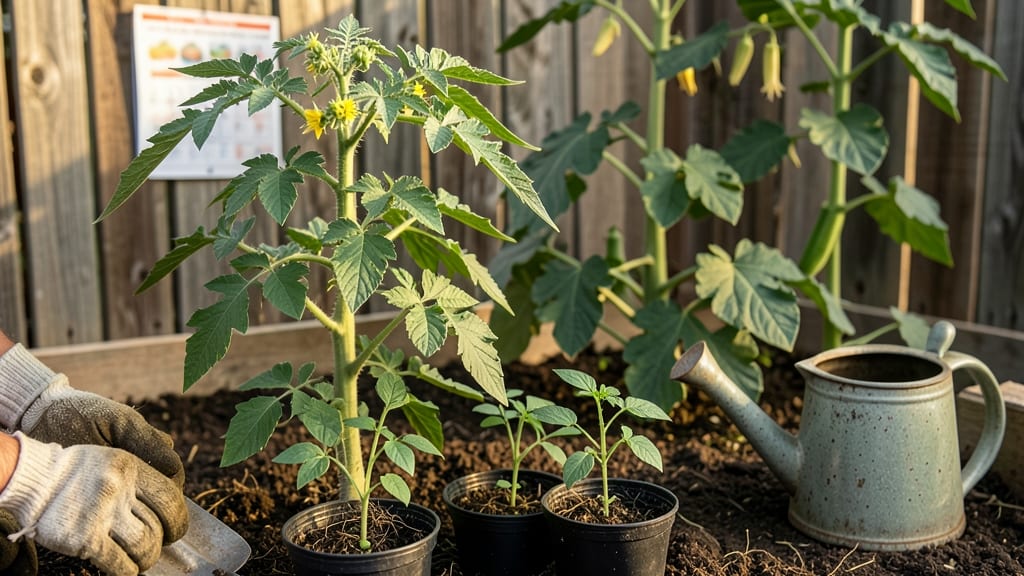
Planting your garden in Central Texas at the wrong time means either battling frost or watching your crops wilt under 100°F heat—both are avoidable if you time it right.
The key isn’t just guessing when to plant; it’s understanding how USDA Zones 8a-9a behave, from the last frost in mid-February to the scorching summers that demand shade-loving plants.
I’ve learned the hard way that spring and fall are your best bets for a thriving garden here. While late February to early April and September to October offer the perfect window, even native plants like okra or black-eyed peas need strategic timing to beat the heat.
Let’s break down exactly when to plant each crop—and how to stretch your growing season for bigger harvests.
Most gardeners in Central Texas focus on cool-season crops like lettuce and broccoli, but the real secret lies in heat-tolerant varieties. Whether you’re a beginner or a seasoned gardener, knowing when to sow seeds or transplant seedlings can mean the difference between a failed attempt and a bountiful table.
Ready to master the timing?
From mulching to succession planting, I’ll share the exact techniques I use to keep my 🌱 General Central Texas Garden productive year-round. No more guessing—just proven strategies to make the most of your short, intense growing season.
Central Texas planting calendar by heat zone (avoid frost & extreme heat)
Central Texas gardeners operate in USDA Zones 8a-8b, where average last frost dates hover around February 15 and first frosts typically arrive November 15.
This 210-day frost-free window creates a tight schedule for planting—too early risks frost damage, while late planting exposes crops to 100°F+ heat that can scorch tender seedlings.
Mastering this balance means aligning your planting with temperature shifts and precipitation patterns. Spring planting should begin 6-8 weeks before last frost (early February), while fall crops thrive when planted September-October for harvest before winter chill sets in. Summer planting requires heat-tolerant varieties and shade strategies to prevent wilting.
Below is your month-by-month breakdown of ideal planting windows, organized by crop type. Use this as your garden roadmap to maximize yields while avoiding common pitfalls like bolt-stage greens or sunburned tomatoes.
Central Texas Planting Calendar
| Month | Cooler-Season Crops | Warm-Season Crops | Heat-Tolerant Crops | Notes |
|---|---|---|---|---|
| February | Peas, Spinach, Lettuce | None (too cold) | Okra (start indoors) | Use row covers for frost protection |
| March | Broccoli, Cabbage, Carrots | Tomatoes, Peppers, Eggplant | Sweet Potatoes, Black-Eyed Peas | Harden off seedlings before transplanting |
| April | Green Beans, Radishes, Onions | Cucumbers, Corn, Basil | Sorghum, Cowpeas | Mulch heavily to retain moisture |
| May | None (too hot) | Okra, Sweet Potatoes, Peppers | All Summer Squash, Malabar Spinach | Use shade cloth for seedlings |
| June-July | None | Tomatoes, Peppers, Eggplant | All Heat-Tolerant Crops | Deep watering essential (1-2 inches/week) |
| August | None | Late Tomatoes, Peppers | Okra, Cowpeas, Sweet Potatoes | Succession plant for fall harvest |
| September | Broccoli, Cabbage, Lettuce | None (too late) | Winter Squash, Collards | Plant for fall/winter harvest |
| October | Peas, Spinach, Radishes | None | Garlic, Onions (for spring harvest) | Cover with frost cloth by November |
Notice how March and April are the sweet spot for most vegetables—cool enough for leafy greens but warming for tomatoes and peppers. September offers a second chance to grow cool-season crops before winter arrives.
For summer planting, focus on heat-tolerant varieties like okra, sweet potatoes, and black-eyed peas, which thrive when temperatures exceed 90°F.
Pro tip: Use succession planting in spring and fall to stagger harvests. For example, sow lettuce every 2 weeks in March-April to ensure a continuous supply without bolting. In summer, interplant fast growers like radishes between slower crops like tomatoes to maximize space.
Central Texas' unpredictable rainfall adds another layer of complexity. Always pair planting dates with soil moisture checks
Best vegetables for Central Texas heat: fast-growing crops that survive summer
Central Texas summers can turn your garden into a sauna, but some heat-loving vegetables thrive in the 100°F+ temperatures that would cook other plants. The key is choosing fast-maturing varieties that produce before the heat peaks in July and August.
Okra, sweet potatoes, and black-eyed peas are my top picks—they not only survive but flourish when other gardens wilt.
For leafy greens, opt for heat-tolerant lettuce varieties like 'Black Seeded Simpson' or Swiss chard, which can handle 90°F days better than traditional lettuce. Even these need afternoon shade during peak heat, so I always install shade cloth by June.
The goal? Harvest before the heat breaks most plants—aim for a 50-60 day maturity window.
My top companion planting strategy for Central Texas heat? Pair okra with sweet potatoes—the okra's deep roots break up compacted soil while the sweet potatoes' sprawling vines provide shade.
I also interplant basil with tomatoes to repel pests and improve flavor, but I always prune aggressively during heatwaves to reduce stress on the plants.
For succession planting, I recommend sowing bush beans every 2-3 weeks from March through May. This ensures a continuous harvest before the July-August heat slows production. The same tactic works for radishes—plant them every 10 days for a steady supply of peppery greens.
One critical mistake I see Central Texas gardeners make? Overwatering during heatwaves. Most heat-tolerant crops prefer deep, infrequent watering—think 1-2 inches per week—rather than daily shallow drinks.
I use drip irrigation on a timer to deliver water directly to roots while keeping foliage dry, which reduces fungal diseases like powdery mildew.
Pro tip: If you're planting tomatoes in Central Texas, choose heat-set varieties like 'Heatmaster' or 'Solar Fire'. These can handle 95°F+ temps better than traditional varieties. I also mulch heavily with straw to keep roots cool and prune suckers to focus energy on fruit production rather than foliage.