
Trees
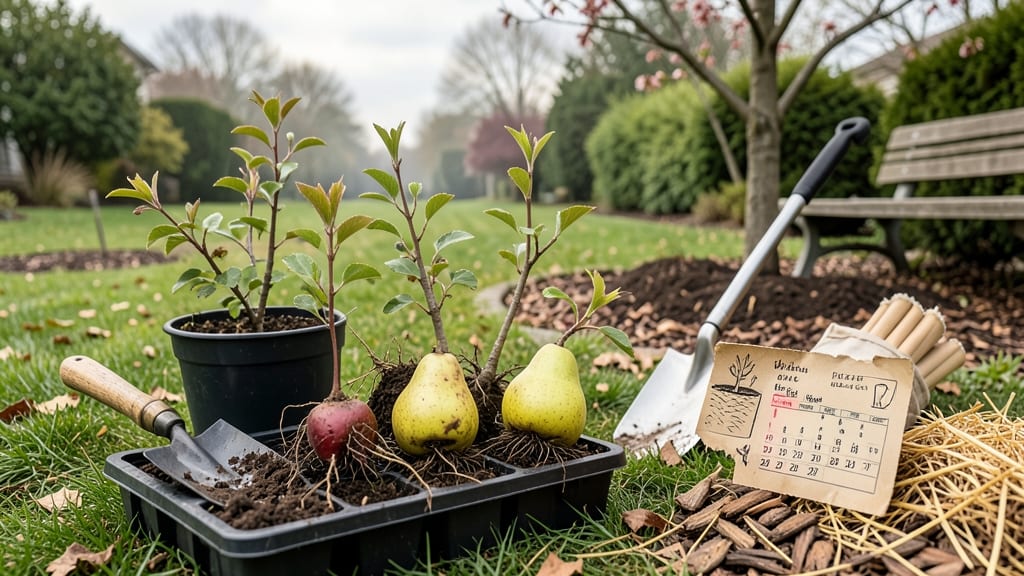
Planting your 🍎 fruit tree at the wrong time in Zone 6 can mean weak roots, poor yields, or even failure—so getting the timing right is the key to long-term success.
Whether you're dreaming of juicy peaches or crisp apples, understanding when to plant ensures your tree starts strong and thrives for years.
Most gardeners in Zone 6a-6b know early spring and fall are the best windows, but why does dormancy matter so much? The answer lies in how your tree establishes roots during cooler months, avoiding the stress of summer heat or winter frost.
I’ll break down the exact months to aim for and how to adjust based on your specific fruit tree variety.
You’ll also discover how to prepare your soil, choose the perfect location, and care for your new tree right after planting. From avoiding late spring pitfalls to leveraging fall’s cooler temperatures, these strategies will set your fruit tree up for a healthier, more productive future.
Ready to plant with confidence? Let’s dive into the dormant-season secrets that make all the difference for Zone 6 gardeners like you.
Best planting months for fruit trees in Zone 6: dormant season explained
Timing your fruit tree planting in Zone 6 is all about leveraging the dormant season—when trees naturally rest and roots establish without competing with foliage growth. The two best windows are early spring (March-April) and fall (September-October), but each has unique advantages for different fruit varieties.
For bare-root trees, the fall window (September-October) is ideal because cool soil temperatures reduce transplant shock. Meanwhile, container-grown trees can be planted in early spring (March-April) as soon as the ground thaws. Both timing strategies help avoid the stress of summer heat or late spring frosts.
Here’s why dormancy matters: When planted during dormancy, fruit trees focus energy on root development rather than leaf production. This means stronger establishment and better survival rates—critical for apples, peaches, and cherries that need deep roots to support their mature size.
Zone 6’s last frost date (around April 15) and first frost (around October 15) create a narrow window for success. Planting too early risks frost damage, while late spring planting (May+) can stress young trees as they struggle to adapt to summer heat without established roots.
Different fruit trees have slight variations in optimal timing. For example, peaches and plums prefer early spring planting to avoid winter moisture stress, while apples and pears adapt well to fall planting due to their hardiness. Always check the specific variety’s hardiness zone rating to match your microclimate.
Microclimates within Zone 6 can shift planting windows by 2-4 weeks. Urban areas may experience heat islands that delay frost, while rural spots might have earlier freezes. Use local frost-free date data to fine-tune your schedule—aim to plant 4-6 weeks before the average last frost.
One common mistake is planting in late winter (February) when soil is still frozen or late spring (May) when roots can’t keep up with new growth. Both scenarios lead to transplant shock or stunted development. Stick to the dormant-season rule for consistent success.
If you’re unsure about your local frost dates, consult your Cooperative Extension Service or use online tools like the USDA Plant Hardiness Zone Map. These resources provide hyper-local insights to help you align planting with your specific Zone 6a or 6b conditions.
| Planting Window | Best For | Soil Conditions | Key Considerations |
|---|---|---|---|
| Early Spring (March-April) | Container-grown trees, peaches, plums | Thawed, workable soil | Avoid late frosts; roots establish before growth |
| Fall (September-October) | Bare-root trees, apples, pears | Cool, moist soil | Plant 4-6 weeks before frost; reduces transplant shock |
| Avoid: Late Spring (May+) | All fruit trees | Warm, dry soil | Roots can’t keep up with growth; high stress risk |
Pro tip: If you miss the dormant-season windows, container-grown trees can be planted in late spring (May) as long as you provide consistent watering and shade cloth to protect them from heat stress. However, bare-root trees planted outside dormancy often struggle to recover.
Remember, the goal is to give your fruit trees a head start on root growth before they need to support leaves, flowers, and eventually fruit. With the right timing, you’ll set the stage for decades of abundant harvests—starting with a single well-planted tree.
How to prepare for Zone 6 fruit tree planting: soil, location, and pre-planting tips
Preparing your Zone 6 garden for fruit trees isn’t just about digging a hole—it’s about creating the perfect conditions for strong root growth and long-term health. Start by testing your soil pH (aim for 6.0–7.0) and amending it with compost or aged manure to improve drainage and fertility.
Fruit trees hate soggy roots, so if your soil is heavy clay, mix in sand or perlite to loosen it up.
Next, choose a sun-drenched spot with at least 6–8 hours of sunlight daily. Avoid low areas where cold air pools, as late frosts can damage young trees. If your yard is windy, plant near a fence or natural windbreak to protect delicate branches.
Remember, fruit trees need space—dwarf varieties need 8–12 feet, while standard trees require 20+ feet.
Before planting, give bare-root trees a 24-hour soak in water to rehydrate their roots. For container-grown trees, trim any circling roots and loosen the root ball slightly to encourage outward growth. If your soil is poor, consider planting in a raised bed or mounded soil to improve drainage and warmth.
Mulch is your best friend for moisture retention and temperature regulation. Apply a 3-inch layer of mulch (wood chips or straw) around the base, but keep it 6 inches away from the trunk to prevent rot.
Water deeply before planting to settle the soil, then mulch immediately to lock in moisture.
Finally, mark your planting spot with a stake or flag to avoid disturbing the area. If you’re planting multiple trees, space them according to their mature size—peach trees need 15–20 feet, while apple trees may require 25+ feet.
This ensures they have enough room to grow without competing for nutrients.
With the right prep, your Zone 6 fruit trees will establish roots quickly and reward you with bountiful harvests for decades. The key is patience—healthy roots today mean strong trees tomorrow! 🌱🍎