
Trees
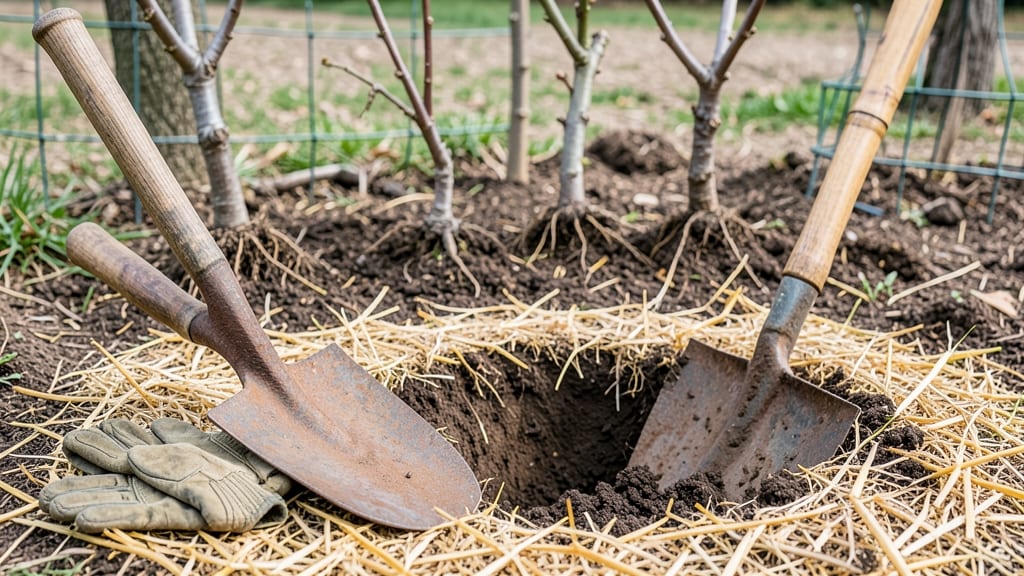
Planting fruit trees at the right time in Zone 5 isn't just about avoiding frost—it's about giving your young 🌱 the best chance to establish strong roots before winter sets in.
If you get the timing wrong, you might end up with a tree that struggles to survive the cold, no matter how hardy the variety.
I've learned the hard way that early spring planting can be risky when the soil is still too cold, while late fall might leave your tree vulnerable before dormancy kicks in.
The key is finding that sweet spot when the ground is warm enough to work but still has plenty of growing season left. Let me show you exactly when to plant for the best results in your region.
Most gardeners in Zone 5 swear by early fall planting, but there are exceptions depending on your specific microclimate. We'll break down the ideal windows for both spring and fall, plus how to prepare your soil and choose the right varieties that thrive in your area's cold winters.
Trust me, getting this right makes all the difference in your fruit tree's long-term health.
You'll discover how to protect your young trees from unexpected late frosts, which varieties handle Zone 5's climate best, and the simple post-planting care that ensures your trees grow strong and productive. Let's get your orchard off to the best possible start!
Best planting months for fruit trees in Zone 5: balancing warm soil and frost risk
In Zone 5, where winters can drop below -10°F, timing your fruit tree planting is critical. The best window is when soil temperatures reach 45-55°F—warm enough for root growth but cool enough to avoid summer heat stress.
This typically means early spring or early fall, depending on your microclimate.
Most gardeners in Zone 5 swear by fall planting (late September to early October) because it allows roots to establish before dormancy. However, spring planting (April to early May) works too, provided you avoid late frosts.
The key is soil temperature, not just air temperature—use a soil thermometer to confirm readiness.
Here’s why timing matters: Young trees planted too late in spring may struggle with summer drought, while those planted too early in fall risk frost damage before roots establish. Microclimates—like urban heat islands or sheltered valleys—can shift these windows by 2-4 weeks.
For apple trees and pear trees, fall planting is ideal because their roots grow best in cool soil. Peach trees and cherry trees, however, prefer spring planting to avoid winter cold snaps. Always check your last frost date (typically late May in Zone 5) to plan accordingly.
Pro tip: If you’re in a northern Zone 5 (e.g., Minnesota), lean toward fall. In southern Zone 5 (e.g., Virginia), spring planting may work better due to milder winters. Local nurseries often know the best window for your specific area.
| Season | Best Months (Zone 5) | Soil Temp | Key Consideration |
|---|---|---|---|
| Early Spring | April–early May | 45–55°F | Avoid late frosts; ideal for peaches/cherries |
| Early Fall | Late Sept–early Oct | 50–60°F | Roots establish before winter; best for apples/pears |
| Late Spring | May–June | Warm soil | Risk of drought; avoid for cold-sensitive varieties |
| Late Fall | Nov–Dec | Below 45°F | Roots won’t grow; high frost risk |
One mistake I see often is planting bare-root trees in freezing soil. Always check soil temps—roots need to be in workable soil (not muddy or frozen) to avoid rot or shock.
If your soil is still cold in spring, wait a few weeks or use black plastic mulch to warm it faster.
For container-grown trees, the rules relax slightly. You can plant them throughout the growing season (April–October) as long as the root ball isn’t soggy. However, bare-root trees demand precise timing—so mark your calendar for fall planting if you’re growing apples or pears.
Remember: Zone 5’s short growing season means every week counts. Planting at the right time ensures your tree has 6–8 weeks of root growth before dormancy, setting it up for years of fruit production. Don’t rush—patience now pays off with a healthier, more productive tree.
🌱
Best planting months for fruit trees in Zone 5: balancing warm soil and frost risk
Zone 5’s short growing season and unpredictable frosts make timing critical for fruit tree success. The ideal window is when soil temperatures reach 45-55°F, allowing roots to establish before winter dormancy.
Most gardeners in Zone 5 plant in early fall (September-October) or early spring (April-May), but late spring plantings risk frost damage.
Early fall planting gives roots 6-8 weeks to establish before frost, while spring plantings must wait until after last frost dates (typically mid-April to early May). Bare-root trees planted in fall can even survive winter if mulched properly, but container-grown trees need extra care to avoid transplant shock.
🌱
Zone 5 Fruit Tree Planting Timeline
| Season | Best Months | Soil Temp | Key Consideration |
|---|---|---|---|
| Early Fall | September-October | 45-55°F | Roots establish before dormancy |
| Late Spring | April-May | 55-65°F | Wait until frost danger passes |
| Winter | November-March | Below freezing | Avoid planting (dormant season) |
For apples and pears, early fall planting is ideal—they establish roots faster than stone fruits (peaches, cherries), which need warmer soil. Always check your local frost dates—some Zone 5 areas (like northern Illinois) have later springs than others (like western Pennsylvania).
If you miss the fall window, spring planting works too, but avoid late May—this is when late frosts often hit Zone 5. Harden off container-grown trees by gradually reducing water before transplanting to reduce shock.
🌡️
Pro tip: Use a soil thermometer to confirm temperatures before planting. For bare-root trees, soak roots for 1-2 hours before planting to rehydrate. In urban areas with heat islands, soil warms faster—plant slightly earlier than rural zones.