
Trees
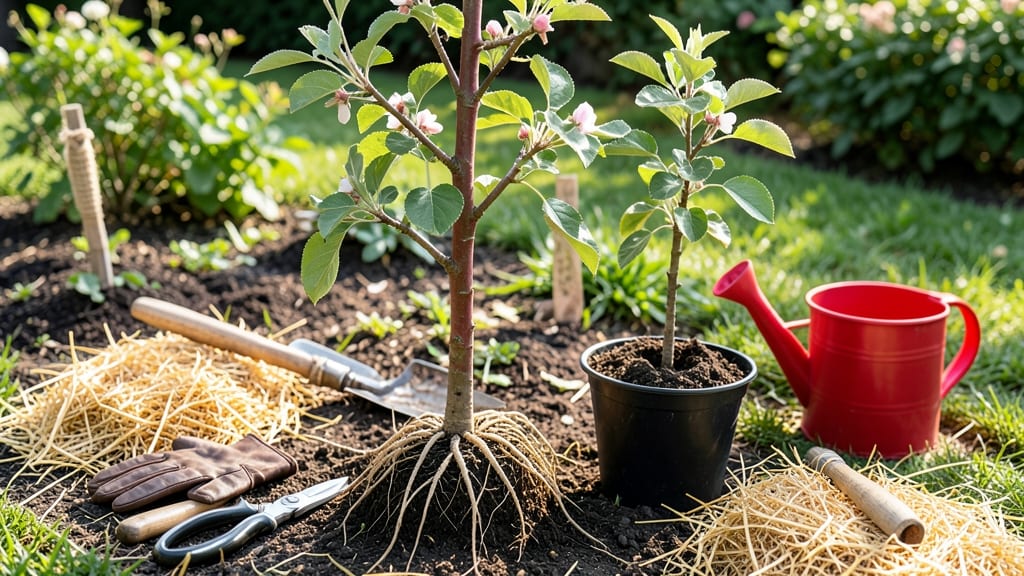
Planting an apple tree 🍎 in Oregon can feel like trying to hit a moving target—your perfect timing depends on whether you're in the lush Willamette Valley or the high desert, where frost sneaks in earlier than you'd expect.
If you get the timing wrong, your young tree might struggle to root before winter sets in, leaving it vulnerable to cold snaps that can last well into March.
The good news? With the right approach, you can set your tree up for success whether you're planting in late winter or early fall.
I’ll break down the best months for your specific zone—whether you’re in 7b (like Eastern Oregon) or 9a (like the coast)—and share pro tips for soil prep, frost protection, and even variety choices that thrive in Oregon’s climate.
Ready to plant with confidence? Let’s dive into the exact steps to give your apple tree the strongest start possible.
Best planting months for apple trees in Oregon’s zones 7-9
Timing is everything when planting apple trees in Oregon, where microclimates vary dramatically from the mild Willamette Valley to the colder high desert. In Zone 7b (eastern Oregon), aim for late winter to early spring (February–March) to avoid early frost risks.
Meanwhile, Zone 9a (coastal areas) offers a longer window—September through November—before winter chills set in.
Oregon’s last frost dates range from late February in Zone 7b to late March in Zone 9a, so adjust your planting schedule accordingly.
For bare-root trees, early spring planting (when soil is workable but not soggy) gives roots time to establish before summer heat. Container-grown trees, however, can handle fall planting (September–October) with minimal stress.
| Region | Best Planting Window | Key Considerations |
|---|---|---|
| Willamette Valley (Zone 8-9a) | September–November or February–March | Mild winters; prioritize well-draining soil to prevent root rot. |
| Eastern Oregon (Zone 7b) | February–March (bare-root only) | Harsh winters; mulch heavily to insulate roots. |
| Coastal Areas (Zone 9a) | September–October (fall preferred) | Humid climate; ensure airflow around canopy to reduce disease. |
| High Desert (Zone 7b) | Late March–April (spring only) | Dry soil; water deeply after planting to encourage root growth. |
Soil preparation is non-negotiable in Oregon’s clay-heavy or sandy soils. Test your soil’s pH (ideal: 6.0–6.5) and amend with compost or aged manure to improve drainage. In Zone 7b, add a 4–6 inch layer of mulch after planting to protect roots from freeze-thaw cycles.
Coastal gardeners should opt for organic mulches like straw to retain moisture in Oregon’s foggy, damp winters.
For dwarf apple trees (ideal for small yards), plant in late winter (February) to maximize root establishment before summer. These varieties need staking for support and benefit from drip irrigation to keep soil consistently moist.
Avoid planting standard-sized trees in fall—their taller canopies take longer to harden off for winter, increasing frost damage risks.
Oregon’s first frost dates vary wildly: late October in Zone 9a vs. early December in Zone 7b. If you plant in fall (September–October), choose cold-hardy varieties like ‘Granny Smith’ or ‘Cortland’ and water deeply before ground freezes to prevent desiccation.
In spring-planted trees, prioritize shade cloth during late-season heatwaves (common in June–July) to reduce transplant shock.
Pro tip: Acclimate container-grown trees for 1–2 weeks before planting by placing them in partial shade and watering lightly. This reduces transplant shock, a common issue in Oregon’s variable spring weather.
Pair your apple tree with a pollination partner (unless planting a self-pollinating variety like ‘Honeycrisp’) to ensure fruit set. In Zone 7b, consider two trees of different varieties to extend the harvest window.
After planting, stake young trees to prevent wind rock (a major issue in Oregon’s coastal winds). Use tree ties loosely and remove stakes after 1–2 years to avoid girdling.
In Eastern Oregon, where winter winds are fierce, add a windbreak (like a bamboo fence) to protect tender new growth.
Remember: Oregon’s climate is unpredictable. Check your local USDA frost map and monitor weekly weather forecasts in October–November to adjust your planting timeline. With the right timing and care, your apple tree will thrive and reward you with homegrown fruit for decades.
Best planting months for apple trees in Oregon’s zones 7-9
Oregon’s microclimates create unique challenges for apple tree planting. In the Willamette Valley (Zone 8-9), mild winters allow fall planting (September-October), while Eastern Oregon (Zone 7) demands early spring (March-April) to avoid late frosts. Timing ensures roots establish before winter’s freeze.
For bare-root trees, late winter (February-March) is ideal—they’re dormant and easier to plant. Container-grown trees offer more flexibility, allowing fall or spring planting. Both methods require well-draining soil and full sun exposure (6+ hours daily) to thrive.
🌱 Visual Element: Comparison Table
Oregon Apple Tree Planting Windows by Region
| Region | USDA Zone | Best Planting Months | Key Consideration |
|---|---|---|---|
| Willamette Valley | 8-9 | September-October (fall) or March-April (spring) | Mild winters; avoid late frosts |
| Eastern Oregon | 7 | March-April (spring only) | Harsh winters; plant after last frost |
| Coastal Oregon | 8-9 | September-November (fall) | Cooler temps; extend planting into late fall |
Soil preparation is 50% of success. Test your soil’s pH (6.0-6.5 ideal) and amend with compost or peat moss if needed. Dig a hole twice as wide as the root ball but only as deep. This prevents root suffocation and encourages outward growth.
After planting, water deeply (15-20 gallons) to settle soil around roots. Mulch with wood chips (3-4 inches) to retain moisture and regulate temperature. Avoid mulching against the trunk—keep it 2-3 inches away to prevent rot.
Young trees need consistent moisture for the first year. In drought-prone areas (Eastern OR), drip irrigation is ideal. In coastal regions, natural rainfall often suffices, but monitor soil moisture—dry spells can stress new roots.
Prune dead or crossing branches at planting to encourage airflow. Avoid heavy pruning—focus on shaping and removing suckers (shoots from the base). This sets your tree up for healthy growth and fruit production in years to come.