
Trees
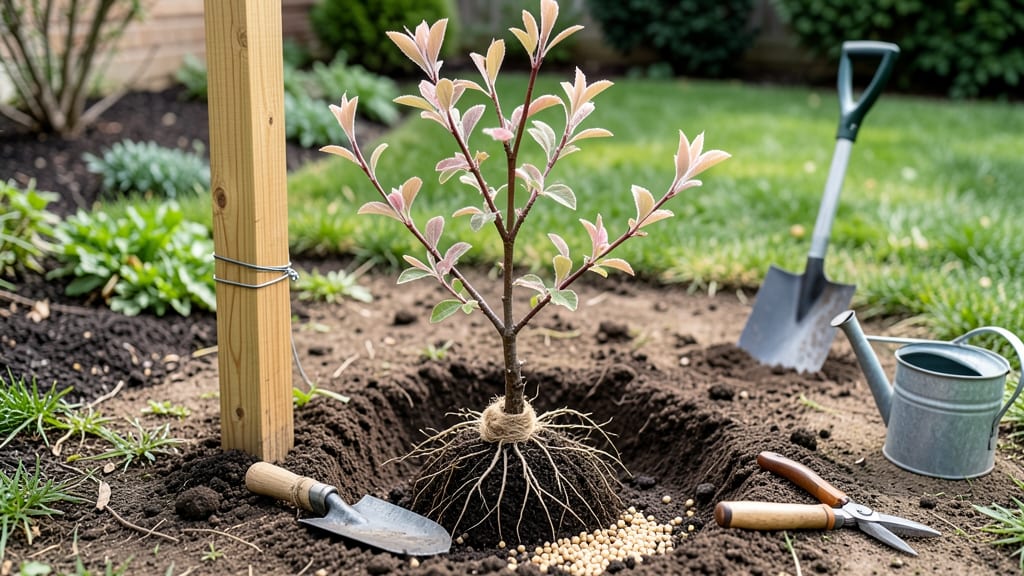
Planting fruit trees in Virginia at the wrong time can mean the difference between a thriving orchard and a sad, struggling sapling—especially with our tricky chill hours and frost patterns.
Whether you're dreaming of peaches 🍎 or crisp apples, timing is everything, and getting it right means healthier trees and better harvests down the road.
Most gardeners know spring is ideal, but Virginia’s 6a-8a zones demand more precision. Plant too early, and frost can damage tender roots; too late, and your tree might not establish strong roots before summer’s heat.
The best window—late winter to early spring—gives your fruit trees the perfect head start, but regional differences matter.
In this guide, I’ll break down exactly when to plant in Northern, Piedmont, and Coastal Virginia, plus how to prep soil and choose the right varieties for your microclimate. You’ll learn the key mistakes to avoid and when to fertilize for maximum growth.
Ready to get started? Let’s make sure your fruit trees take root at the perfect time for a bountiful harvest.
Virginia’s chill-hour zones: matching fruit trees to your location
Virginia’s diverse climate—from the cool mountains of the Blue Ridge to the warmer coastal plains—means not all fruit trees thrive everywhere. The key factor? Chill hours, the number of hours below 45°F a tree needs to produce fruit.
Northern Virginia (zones 5b–6b) requires 800–1,000+ chill hours, while Southern Virginia (zones 7a–8a) needs only 300–500 chill hours.
Planting the wrong variety in your zone can lead to poor fruit set or no fruit at all. For example, peach trees need high chill hours (600+), while figs and persimmons thrive with minimal chill (200–400 hours).
Always check a tree’s chill-hour requirement before buying—it’s the difference between a bountiful harvest and a disappointed gardener.
🌱
🌱 Virginia Chill-Hour Zones & Best Fruit Trees
| Zone | Chill Hours | Best Fruit Trees | Notes |
|---|---|---|---|
| 5b–6b | 800–1,000+ | Apples, Pears, Sweet Cherries, Peaches | Northern VA (Roanoke, Blacksburg) |
| 6c–7a | 500–700 | Apples, Plums, Nectarines, Figs (cold-hardy) | Piedmont (Richmond, Charlottesville) |
| 7b–8a | 300–500 | Peaches (low-chill), Figs, Persimmons, Citrus (protected) | Coastal (Norfolk, Virginia Beach) |
⚠️ Pro Tip: Use USDA’s Plant Hardiness Zone Map for your exact location. Local nurseries often stock varieties tailored to your zone!
If you’re in Northern Virginia, prioritize high-chill varieties like ‘Liberty’ apples (850+ chill hours) or ‘Reliance’ peaches. In Southern Virginia, opt for low-chill figs (e.g., ‘Celeste’) or ‘Tropic Snow’ peaches (300–400 chill hours).
Even within zones, microclimates matter—a sheltered spot in zone 7a might handle a 500-chill-hour tree, while a windy hillside may not.
For stone fruits (peaches, plums, cherries), soil pH also plays a role. Aim for 6.0–7.0—too acidic (below 5.5) can stunt growth. Test your soil before planting and amend with lime if needed. Citrus trees (like Meyer lemons) are only viable in zone 8a+ and need winter protection.
🪴
One common mistake? Assuming all apple trees work in Virginia. While ‘Fuji’ (700+ chill hours) thrives in the mountains, it may fail in Tidewater Virginia. Instead, try ‘Gala’ or ‘Jonagold’, which adapt to 500–600 chill hours.
Always cross-reference your zone with the tree’s chill-hour range—it’s the #1 way to avoid disappointment.
For container-grown trees, chill hours still apply, but you can move pots to sunnier/winder spots in winter to boost chill accumulation. Just ensure containers are insulated and roots aren’t freezing. In urban areas with heat islands, trees may need extra chill hours—consider dwarf varieties for smaller yards.
🌡️
Ready to pick the perfect tree? Start by mapping your yard’s microclimates—south-facing slopes get more sun, while low spots may frost later. Then, match your chill hours to the tree’s needs.
With the right variety, your fruit tree will reward you with years of harvests—not just in Virginia, but across the Southeastern U.S..
Best planting months by Virginia region: frost-free timing explained
Virginia’s three distinct climate regions—Northern, Piedmont, and Coastal—each have unique last frost dates that dictate the best planting window for fruit trees.
In Northern Virginia (USDA zones 6a-7a), like Roanoke, the average last frost falls around March 20-25, giving you a February 15 to March 15 window for planting.
For Piedmont Virginia (zones 7a-7b), including Richmond, aim for late February to early April, as frost can linger until March 10-20. Meanwhile, Coastal Virginia (zones 7b-8a), such as Norfolk, enjoys milder winters, allowing planting until early April with last frosts around March 1-15.
Bare-root trees should be planted dormant in late winter (February-March) to avoid spring thaw stress. Container-grown trees, however, can handle early spring planting (March-April) as long as soil isn’t frozen.
Pro Tip: Check local frost data via the Virginia State Climate Office or Old Farmer’s Almanac for your exact microclimate. Planting 3-4 weeks before your area’s average last frost ensures roots establish before heat stress arrives.
⚠️ Critical Timing:
- Northern VA: February 15–March 15 (avoid late March frosts)
- Piedmont VA: February 20–April 1 (watch for March 10–20 frosts)
- Coastal VA: March 1–April 10 (milder but still monitor late frosts)
In Southern Virginia (zones 7b-8a), like Blacksburg, you can push planting to early April, but avoid late April to prevent summer drought stress during root establishment. Always choose overcast days for planting to reduce transplant shock.
For container-grown fruit trees, extend your window to May if planted after last frost, but prioritize bare-root trees in winter for best survival rates. Mulch heavily after planting to retain moisture and regulate soil temperature.
🌱