
Plants
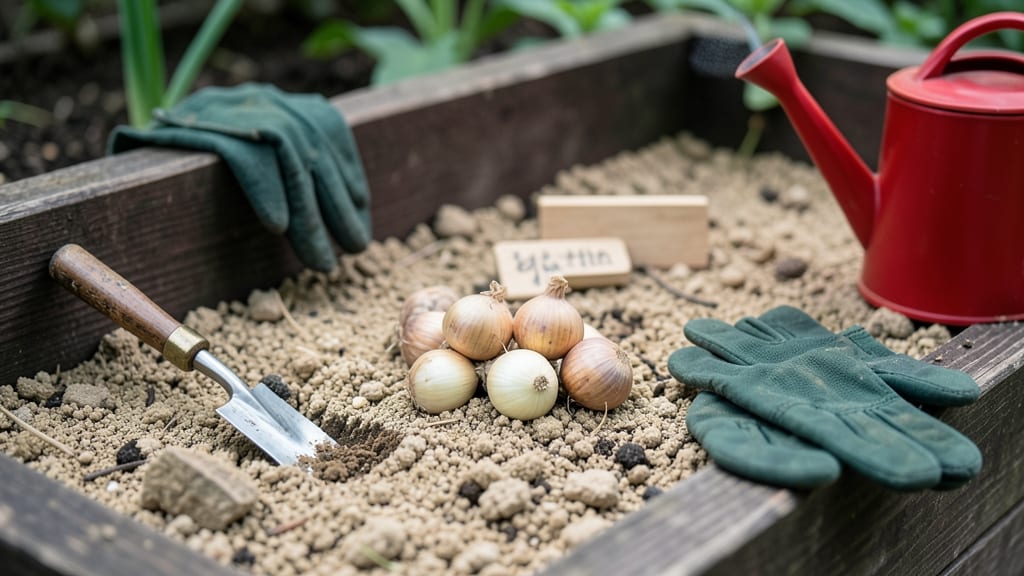
Planting freesia bulbs 🌸 at the wrong time in Zone 5 can mean waiting months for blooms—or worse, watching them rot before spring arrives. The key to vibrant spring displays lies in understanding your region’s chill-hour requirements and frost dates, which most gardeners overlook.
In Zone 5, where temperatures swing wildly, timing matters more than soil prep or fertilizer. I’ve learned that planting too early risks frost damage, while waiting too long delays blooms until summer heat sets in.
Let me show you exactly when to plant for 150 days of perfect growth before those fragrant blooms appear.
This isn’t just about sticking bulbs in the ground—it’s about working with your climate’s rhythm. We’ll cover the ideal 6-week window before your first frost, soil temperature tricks, and how to adjust for early or late winters.
By the end, you’ll know exactly when to plant for maximum blooms next spring.
Whether you’re a beginner or a seasoned gardener, these insights will help you bypass common mistakes. Let’s get your freesias off to the best possible start—so you can enjoy their sweet scent and delicate petals when they matter most.
Zone 5 freesia planting timeline: chill-hours and frost dates explained
Zone 5 gardeners know timing is everything—especially when planting freesia bulbs. These delicate flowers need 6-8 weeks of chill-hours (temperatures between 32°F and 45°F) to trigger blooming.
In Zone 5, where first frost arrives around October 1 and lasts until May 15, getting this window wrong means missed spring blooms or weak growth.
Most freesia varieties bloom in late spring to early summer, but they won’t flower without proper chill-hour accumulation. Plant too early, and bulbs may sprout prematurely before winter; too late, and they won’t get enough cold exposure to bloom.
The key is planting 6-8 weeks before your first frost—typically late August to early September in Zone 5.
Here’s the science: Freesia bulbs need 1,000-1,500 chill-hours to break dormancy. In Zone 5, this happens naturally during winter, but bulbs must be planted early enough to absorb these hours.
For example, if your first frost is October 15, aim to plant by August 20 to ensure bulbs establish roots before cold sets in.
Spring planting is possible but riskier. If you miss the fall window, plant bulbs in early spring (March) when soil temperatures reach 50°F. However, spring-planted freesias often bloom later or produce fewer flowers because they lack the full chill period.
Zone 5’s unpredictable climate adds another layer. Early frosts or warm spells can disrupt chill-hour accumulation. Use a chill-hour calculator (available from bulb suppliers) to adjust planting dates based on your local frost history.
For instance, if your area had an early frost in 2022, plant bulbs 2 weeks earlier the following year.
Pro tip: Group freesia varieties by chill-hour requirements. Some, like 'Blue Bird', tolerate slightly shorter chill periods, while others, like 'Mammoth', need the full range. Planting a mix ensures blooms across May and June.
| Planting Window | Chill-Hours Needed | Zone 5 Frost Risk | Bloom Time |
|---|---|---|---|
| Late August - Early September | 1,000-1,500 hours | Low (6-8 weeks before frost) | Late May - Early June |
| Early March (Spring) | Partial (500-800 hours) | High (late frosts possible) | June - July |
| Mid-September (Risky) | Full (1,500+ hours) | Very High (frost likely) | Weak or no blooms |
To extend your freesia season, consider container planting. Move pots indoors before frost or to a protected garage during cold snaps. This gives bulbs flexibility to absorb chill-hours without ground freeze damage. Just ensure containers have drainage holes to prevent rot.
Watch for heaving—when bulbs push out of the soil after freeze-thaw cycles. Mulch with 2-3 inches of straw after planting to insulate bulbs and prevent this common Zone 5 issue. Heaving exposes bulbs to rodent damage or frost heave, which can kill emerging shoots.
Finally, mark your calendar for May 15—the average last frost date in Zone 5. This is when freesias should be 6-8 inches tall with visible buds.
If you see yellowing leaves by then, your bulbs may have rotted from overwatering or poor drainage. Adjust care immediately to salvage the crop.
With the right timing, your Zone 5 garden will burst with freesia blooms from May to June, adding a fragrant splash of color to your spring landscape. 🌸
Zone 5 freesia planting timeline: chill-hours and frost dates explained
Zone 5 gardeners know timing is everything—especially for freesia bulbs. These delicate bloomers need 6-8 weeks of chill-hours (temperatures between 35-50°F) to trigger spring blooms. In Zone 5, where first frost typically hits October 1, planting too early or late can disrupt this critical process.
Most freesia varieties require 120-150 chill-hours to bloom reliably. If planted too late in fall, they won’t get enough cold exposure, resulting in stunted growth or no flowers at all. Conversely, planting too early risks premature sprouting before winter dormancy sets in.
Here’s the Zone 5 planting sweet spot: aim for late August to early September. This gives bulbs time to establish roots before ground freezes, while ensuring they experience enough chill-hours for vibrant spring blooms.
| Planting Window | Chill-Hours Needed | Zone 5 Frost Risk | Bloom Time |
|---|---|---|---|
| Late August | 140-160 hours | Low (established roots) | Late May |
| Early September | 120-140 hours | Moderate (root growth slows) | Early June |
| Mid-September | 80-100 hours | High (risk of heaving) | Late June (reduced blooms) |
Adjust your timing based on your last frost date. If your area tends toward early frosts, plant by mid-August. For late frosts, extend planting to early October—but expect fewer chill-hours and potential delays in blooming.
Pro tip: Use mulch (2-3 inches) after planting to insulate bulbs and protect them from temperature swings. This helps maintain steady soil temps, which is crucial for chill-hour accumulation during winter.
Spring planting is possible in Zone 5, but results are unpredictable. If you miss fall planting, try early spring (March) only for container-grown freesias, knowing they’ll bloom later and may lack vigor.
For best results, stick to the fall timeline—your spring garden will thank you with weeks of fragrant blooms! 🌸