
Companion Plants
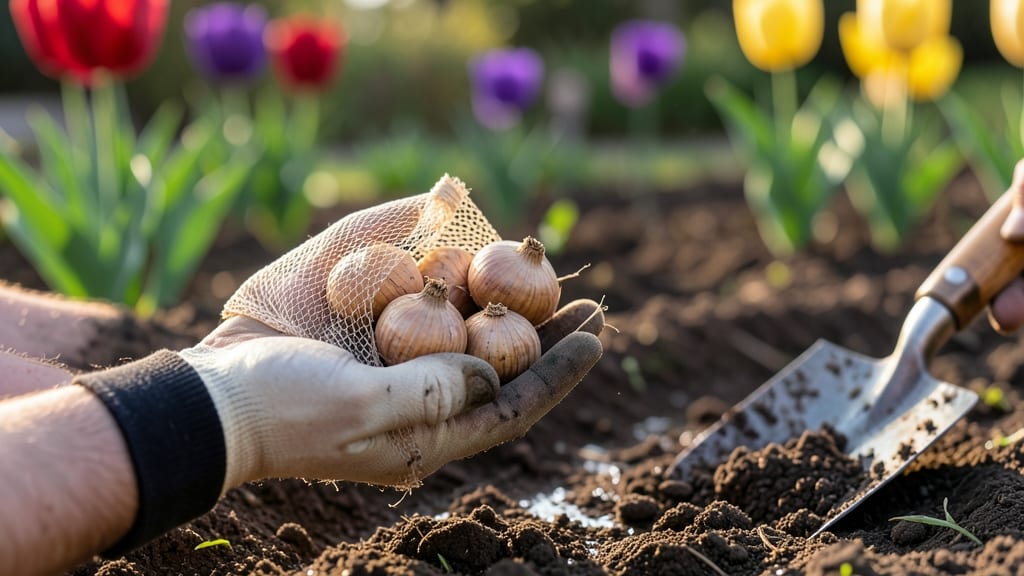
Planting tulips in Oklahoma might seem like a gamble with its unpredictable winters, but getting the timing right is the key to those vibrant blooms you’ve been dreaming of.
The secret lies in matching your planting window to Oklahoma’s chill-hour zones—6a-7b—where bulbs need 4,000 to 6,000 hours of cold to thrive.
For Oklahoma gardeners, the ideal time to plant tulips is between October and November, when soil temperatures drop but before the ground freezes solid. This window ensures bulbs establish roots while still benefiting from winter’s chill.
Skipping this timing could mean missed blooms or weak growth—so don’t wait until spring!
Why does timing matter so much? Tulips need that cold period to break dormancy and produce reliable flowers come April or May. In Oklahoma’s variable climate, planting too early risks rot, while planting too late may leave bulbs vulnerable to winter’s whims.
Let’s break down the exact steps to nail your planting schedule.
From soil prep to mulching, I’ll walk you through everything you need to know to give your 🌷 tulips the best shot at success. Whether you’re in Oklahoma City or Tulsa, these tips will help you avoid common pitfalls and enjoy a garden bursting with color next spring.
Oklahoma tulip planting calendar: chill-hours and frost date guide
Planting tulips in Oklahoma isn’t just about picking a month—it’s about matching your chill-hour needs with your local frost dates. Most Oklahoma gardens fall in USDA Zones 6b-7b, where tulips need 4,000–6,000 chill hours to bloom reliably.
If you plant too early, bulbs may sprout and freeze; too late, and they won’t get enough cold to flower.
For Oklahoma City and Tulsa, the ideal window is mid-October to early November, about 4–6 weeks before the ground freezes. In western Oklahoma (Lawton, Altus), where winters are colder, aim for late September to mid-October.
Check your local frost dates—Oklahoma’s first frost typically hits November 15, but it can vary wildly.
Here’s the golden rule: Plant bulbs when soil temps drop to 50–60°F and stay there for at least 6 weeks. This ensures bulbs root before winter but still get enough chill. Use a soil thermometer to track temps if you’re unsure.
🌷
| Region | Best Planting Window | Chill-Hour Zone | Frost Dates |
|---|---|---|---|
| Oklahoma City | Mid-October to early November | Zone 7a (5,500+ hours) | First frost: Nov 15 | Last frost: Mar 15 |
| Tulsa | Late October to mid-November | Zone 7b (5,000–5,500 hours) | First frost: Nov 10 | Last frost: Mar 20 |
| Lawton | Late September to early October | Zone 7a (5,500+ hours) | First frost: Nov 5 | Last frost: Mar 30 |
| Tahlequah | Early October to mid-November | Zone 6b (4,500–5,000 hours) | First frost: Nov 20 | Last frost: Mar 10 |
If you miss the fall window, you can plant tulips in early spring (March), but blooms will be smaller and less reliable. Spring-planted bulbs often need an extra year to establish roots and won’t get enough chill to flower fully.
For best results, stick to fall planting—it’s the only way to guarantee those show-stopping spring blooms.
Pro tip: Use mulch (3–4 inches of straw or leaves) after planting to insulate bulbs from freeze-thaw cycles. This helps protect them through Oklahoma’s unpredictable winters. Remove the mulch in early spring once shoots appear to prevent rot.
Don’t let Oklahoma’s variable climate stress you out—with the right timing, your tulips will thrive. Next, we’ll dive into the best tulip varieties for your specific chill zone to maximize your success.
☀️
Best tulip varieties for Oklahoma gardens: cold-hardy vs. early bloomers
Oklahoma’s variable chill hours (4,000–6,000 hours) demand careful tulip variety selection. Darwin Hybrid tulips thrive in high-chill zones like northern Oklahoma, while early bloomers like 'Early Harbinger' suit southern regions with shorter winters.
For disease resistance, prioritize varieties like 'Apeldoorn' or 'Queen of Night', which handle Oklahoma’s humidity better than delicate types. Always check USDA Zone 6a–7b labels to match your microclimate.
Cold-hardy varieties like 'Ice Follies' (white) or 'Red Emperor' (red) tolerate freeze-thaw cycles better, while early bloomers such as 'White Dream' emerge sooner in milder winters.
Cold-Hardy Varieties
- ✅ 6,000+ chill hours needed
- ✅ Tolerates Oklahoma winters well
- ✅ Bold, long-lasting blooms
- ❌ Longer dormancy period
Best for: Northern OK (Zone 6a)
Early Bloomers
- ✅ 4,000–5,000 chill hours sufficient
- ✅ Blooms earlier in spring
- ✅ Good for short winters
- ❌ More prone to fungal issues
Best for: Southern OK (Zone 7b)
If you’re in central Oklahoma, mix varieties like 'Parrot' tulips (exotic colors) with 'Fosteriana' (orange-red) for extended bloom seasons. Always plant after soil temps drop below 60°F to prevent rot.
For container gardening, choose dwarf varieties like 'Tiny Star' (6–12 inches tall) or 'Queen of Sheba' (peach-pink). These handle Oklahoma’s temperature swings better in pots than standard types.
Pro tip: Layer mulch (straw + leaves) over planted bulbs in December to insulate roots during winter temperature spikes—a common issue in Oklahoma’s unpredictable climate. 🌷