
Plants
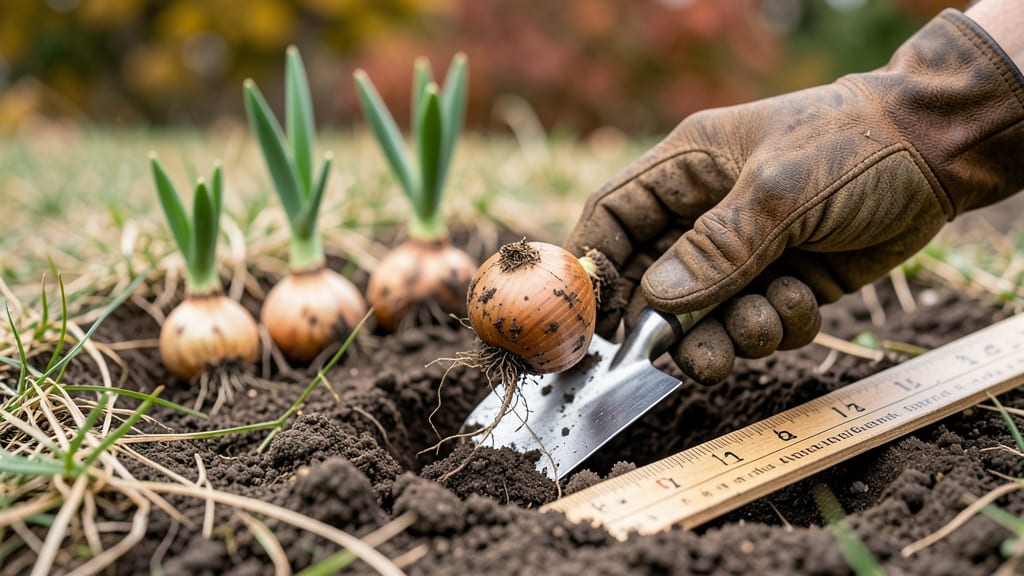
Planting tulip bulbs 🌷 in Illinois at the wrong time could mean waiting another year for those vibrant spring blooms you’re dreaming of. The key to success lies in understanding your region’s frost dates—because timing isn’t just about the calendar, it’s about the 6-week window before the ground freezes solid.
Here’s the secret Illinois gardeners swear by: bulbs need to root deeply before winter sets in, which means getting them in the ground between October and November. Too early, and they’ll sprout too soon; too late, and frost will damage them before they establish.
With USDA zones 5-6 across the state, your exact planting date depends on whether you’re in Chicago’s urban heat islands or rural areas where cold hits faster.
Don’t let common mistakes—like planting too shallow or ignoring soil drainage—ruin your chances. I’ll walk you through the exact steps to prepare your soil, choose the right depth, and protect your bulbs from Illinois’ unpredictable winters.
By the time spring rolls around, you’ll have a garden bursting with perfect tulips that’ll make your neighbors jealous.
The best part? Once you master this timing, your tulips will return year after year with minimal effort. Ready to turn your fall planting into next spring’s showstopper? Let’s get those bulbs in the ground the right way.
Illinois tulip planting calendar: exact frost-date rules for best blooms
Planting tulip bulbs in Illinois isn’t just about picking a month—it’s about timing them perfectly with your local frost dates. Illinois spans USDA Zones 5-6, meaning your first frost typically arrives between October 15-30, depending on your location.
The key is planting 6-8 weeks before the ground freezes to give roots time to establish before winter.
Most Illinois gardeners should aim for mid-October to early November, but this shifts slightly based on whether you’re in Chicago’s urban heat island (later) or rural southern Illinois (earlier). Let’s break down the exact timing for your area to ensure those spring blooms arrive on schedule.
| Region | USDA Zone | Avg. First Frost | Ideal Planting Window | Last Chance |
|---|---|---|---|---|
| Northern Illinois (Chicago, Rockford) | Zone 5 | October 20-25 | October 10-20 | November 10 |
| Central Illinois (Springfield, Peoria) | Zone 5-6 | October 15-20 | October 15-31 | November 15 |
| Southern Illinois (Carbondale, Marion) | Zone 6 | October 10-15 | October 1-15 | November 1 |
| Urban Heat Islands (Chicago suburbs) | Zone 5b | October 25-30 | October 15-25 | November 15 |
If you’re in Zone 5 (like Chicago), your last frost date is around April 15, but tulips need 6-8 weeks of chilling to bloom. That’s why planting in late October gives them enough cold exposure.
In Zone 6 (southern Illinois), you can plant 2 weeks earlier since frost arrives later.
Pro tip: Check your local frost dates using the Old Farmer’s Almanac or your cooperative extension service. Illinois’ microclimates mean a 5-mile difference can shift frost dates by 3-5 days. For example, Chicago’s lake effect delays frost slightly compared to inland areas.
While fall planting is ideal, you can plant tulips in early spring (March) if you miss the fall window. However, spring-planted bulbs may bloom later or produce smaller flowers since they miss the root-establishment period before winter.
For best results, stick to fall planting—it’s the gold standard for Illinois gardeners.
One common mistake is waiting until November—by then, the ground may already be too cold for roots to establish. If you’re in northern Illinois and November rolls around, cover bulbs with straw mulch (3-4 inches) to insulate them until spring.
This extends the planting window by about 2 weeks in marginal areas.
For container gardening in Illinois, plant bulbs in late September to early October since pots warm up faster. Use well-draining mix and move containers to a garage or cold frame if frost threatens early. This mimics the natural ground chill tulips need to bloom.
Remember: Tulip bulbs need 6-8 weeks of cold to trigger flowering. Planting too early (like September) can cause bulbs to sprout prematurely and rot in wet soil. Aim for that sweet spot between October 1-31 for Illinois’ climate.
Finally, mark your calendar for early spring—when those first shoots emerge, you’ll know your fall planting paid off! With these frost-date rules, you’re set for stunning tulip blooms that’ll make your Illinois garden the envy of the neighborhood. 🌷
Illinois tulip planting calendar: exact frost-date rules for best blooms
Illinois gardeners know that tulip bulbs need precise timing to thrive. The state’s USDA zones 5-6 mean you’ve got about a 6-week window before the ground freezes—typically between mid-October and mid-November.
Plant too early, and the bulbs may sprout before winter; too late, and they won’t establish roots before the freeze. Let’s break down the exact dates for your region.
Most of Illinois experiences its first hard frost around October 15, but rural areas can see frost 1-2 weeks earlier than cities like Chicago or Springfield. To ensure your tulips bloom beautifully next spring, aim to plant bulbs 4-6 weeks before the ground freezes.
That usually lands in late September to early November, depending on your location.
| Region | Ideal Planting Window | Last Frost Date |
|---|---|---|
| Northern Illinois (Chicago) | October 15 - November 15 | Mid-November |
| Central Illinois (Springfield) | October 1 - November 10 | Early November |
| Southern Illinois (Carbondale) | October 15 - December 1 | Mid-December |
If you’re in northern Illinois, like Chicago, your last chance to plant is usually mid-November. In central Illinois, you’ve got a little more leeway, but don’t wait past early November. Southern Illinois gardeners are luckier—they can plant as late as early December in some years.
Always check your local frost date averages to adjust accordingly.
Pro tip: Use a soil thermometer to confirm the ground is below 60°F before planting. This ensures your bulbs won’t sprout prematurely. If you’re unsure, err on the side of planting earlier rather than later.
Tulips planted too late may not establish strong roots before winter, leading to weak or no blooms the following spring.
Once planted, cover the area with 2-3 inches of mulch to insulate the bulbs and protect them from freeze-thaw cycles. This is especially important in Illinois, where heavy clay soil can hold moisture and cause rot if drainage isn’t ideal. A layer of straw or shredded leaves works perfectly.
Remember, fall-planted tulips will reward you with vibrant blooms in April or May. By following these frost-date rules, you’ll set your garden up for a show-stopping spring display—just in time for Illinois’ mild, sunny days. Happy planting! 🌷